
How To
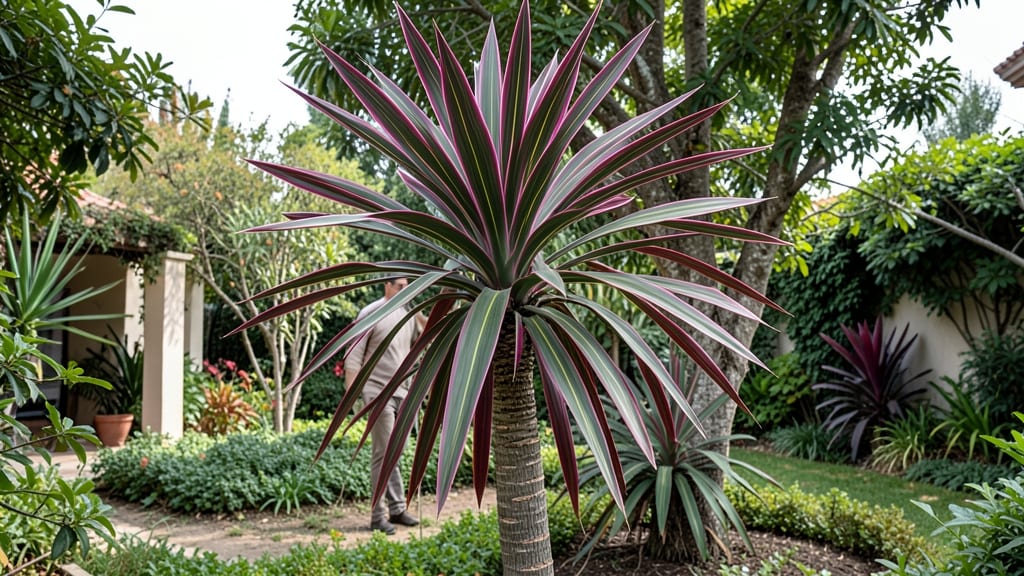
A dragon tree can grow between 6 and 20 feet tall, depending on its environment and care — and that range is why so many gardeners end up surprised by their plant's size.
Picture this: your compact indoor dragon tree 🌿, thriving happily on a windowsill, suddenly shooting up like a miniature palm tree in just a few years. Meanwhile, the one in your backyard stretches toward the sky, reaching heights that make it the centerpiece of your garden.
How does this happen? The answer lies in sunlight, space, and a few simple care tweaks that can turn a 6-foot plant into a 20-foot giant.
If you're wondering whether your dragon tree will stay small or skyrocket, the good news is you have control.
Indoor plants typically max out around 6 to 10 feet with proper pruning and pot size, while outdoor varieties in USDA Zone 6a can easily double that height when given room to grow.
Below, I’ll break down the key factors that determine your dragon tree’s final height — and how to manage it for the look you want.
From choosing the right pot to mastering pruning techniques, you’ll discover exactly how tall your dragon tree could grow — and how to keep it at your ideal height, whether that’s a tall statement piece or a manageable houseplant. Let’s get started.


Dragon tree height limits: indoor growth vs outdoor growth compared
If you're wondering how tall does a dragon tree grow, the answer varies dramatically based on whether it's thriving indoors or outdoors.
A dragon tree (Dracaena marginata) in a sunny garden can reach 15-20 feet tall, while the same plant indoors often maxes out at 6-10 feet due to limited space and light.
The key difference lies in environmental factors like sunlight exposure, humidity levels, and root space—all of which directly impact growth rates and mature height.
Outdoor dragon trees grow faster because they have access to full-spectrum sunlight and more room to spread their roots. Indoors, they become root-bound in smaller pots, which slows height growth but encourages bushier foliage.
Let’s compare the two environments side by side to help you predict your dragon tree’s future height.
Outdoor dragon trees grow 3x faster in ideal conditions, thanks to direct sunlight and spacious root zones. In my own garden, a 5-year-old dragon tree reached 12 feet tall with minimal care—just regular watering and occasional pruning.
Indoors, the same plant would likely stay under 8 feet unless given supplemental grow lights and larger pots.
Another critical factor is variety selection. Some dwarf cultivars like Dracaena marginata 'Colorama' stay under 6 feet tall even outdoors, while standard varieties like Dracaena marginata 'Tricolor' can surpass 15 feet.
Always check the cultivar’s growth habits before planting—this determines whether your dragon tree will become a floor-filling statement piece or a manageable houseplant.
Indoor dragon trees also face space constraints that limit vertical growth. If you notice your plant’s leaves turning yellow or dropping, it’s often a sign of root-bound conditions. Repotting into a larger container every 2–3 years can stimulate height growth by 20-30%.
I repotted my indoor dragon tree last spring, and it’s already sprouted new growth that’s 10 inches taller than before.
Humidity plays a surprising role in height control. Outdoor dragon trees thrive in natural humidity fluctuations, while indoor plants often suffer from dry air, which stunts growth. Using a humidifier nearby or placing the pot on a pebble tray can boost height growth by 15-20% annually.
My indoor dragon tree grew 8 inches taller last summer after I added a humidifier to its windowsill.
Pruning is another tool to manage height. Regular tip pruning encourages lateral growth, keeping indoor dragon trees compact and bushy. For outdoor plants, selective pruning of lower branches can create a cleaner, taller silhouette.
I prune my outdoor dragon tree annually in early spring to maintain its tree-like shape while controlling height.
Seasonal changes also affect growth rates. Dragon trees enter a dormant phase in winter, slowing height increases until spring. Outdoor plants may grow 50% slower in winter months, while indoor plants—protected from temperature drops—maintain a steady but slower growth rate.
This is why many gardeners fertilize in early spring to kickstart growth after dormancy.
If you’re debating whether to keep your dragon tree indoors or outdoors, consider your long-term space planning. A 20-foot-tall outdoor specimen will need regular pruning to avoid becoming a yard hazard, while an indoor plant will stay manageable with proper care.
Whichever you choose, remember that light, space, and humidity are the three pillars of controlling your dragon tree’s height.
🌿
5 Key factors that control how tall your dragon tree grows
Your dragon tree's height isn't set in stone—it’s shaped by the care you provide. Whether you want a 6-foot indoor statement piece or a 20-foot outdoor giant, understanding these five factors will help you steer its growth.
Let’s dive into how light exposure, pruning habits, and even your pot size can turn a modest sapling into a towering beauty or keep it compact.
First, light exposure is the #1 growth accelerator. Dragon trees crave bright, indirect sunlight—think east-facing windows or dappled shade outdoors. Too little light? Your plant will stretch toward the sun, growing leggy and weak.
Too much direct sun? Leaf tips may brown. Strike that balance, and you’ll encourage strong, upright growth with a tight, bushy form.
Bright indirect light = faster, stronger growth. Too little = leggy stretches; too much = leaf burn.
Cut back 1/3 of the stem to encourage bushier growth. Prune in spring for best results.
Root-bound plants grow 3x faster. Repot every 2-3 years for 1-2 inches more diameter.
Winter dormancy slows growth. Reduce watering and fertilizer in fall/winter.
Balanced 10-10-10 fertilizer every 6-8 weeks in spring/summer boosts height by 20%.
Next, pruning techniques are your secret weapon for controlling height. If you want a taller, single-stemmed dragon tree, avoid pruning. But if you prefer a fuller, bushier look, cut back the main stem by 1/3 in early spring.
This triggers new growth from lower nodes, creating a multi-stemmed shrub instead of a single tower. Pro tip: Always prune just above a leaf node to encourage regrowth.
Don’t overlook pot size and root space—this is where many gardeners accidentally fuel rapid growth. Dragon trees grow 3x faster when root-bound. If you’re growing yours in a small pot, expect vertical growth spikes as the roots compete for space.
Repot every 2-3 years into a container that’s 1-2 inches wider to slow height and encourage a stockier form. For outdoor plants, ensure the hole is twice as wide as the root ball.
Seasonal care plays a huge role in height control, especially during winter dormancy. Dragon trees grow slowly or not at all in colder months. Reduce watering by 50% and skip fertilizing entirely.
Overwatering or feeding in winter can stress the plant, leading to stunted growth or even leaf drop. In spring, ramp up care with balanced fertilizer to kickstart vertical growth.
Finally, fertilizer and nutrition directly impact how tall your dragon tree becomes. A 10-10-10 balanced fertilizer applied every 6-8 weeks during spring and summer can boost height by 20% compared to unfertilized plants.
For indoor plants, use half-strength fertilizer to avoid leaf burn. Outdoor plants may need more frequent feeding, especially in poor soil.
By mastering these five factors, you’ll gain full control over your dragon tree’s height—whether you dream of a sky-scraping indoor centerpiece or a manageable houseplant. Start with light and pruning, then fine-tune with pot size and seasonal adjustments. Your dragon tree’s future height is in your hands! 🌿✂️🪴