
Pruning
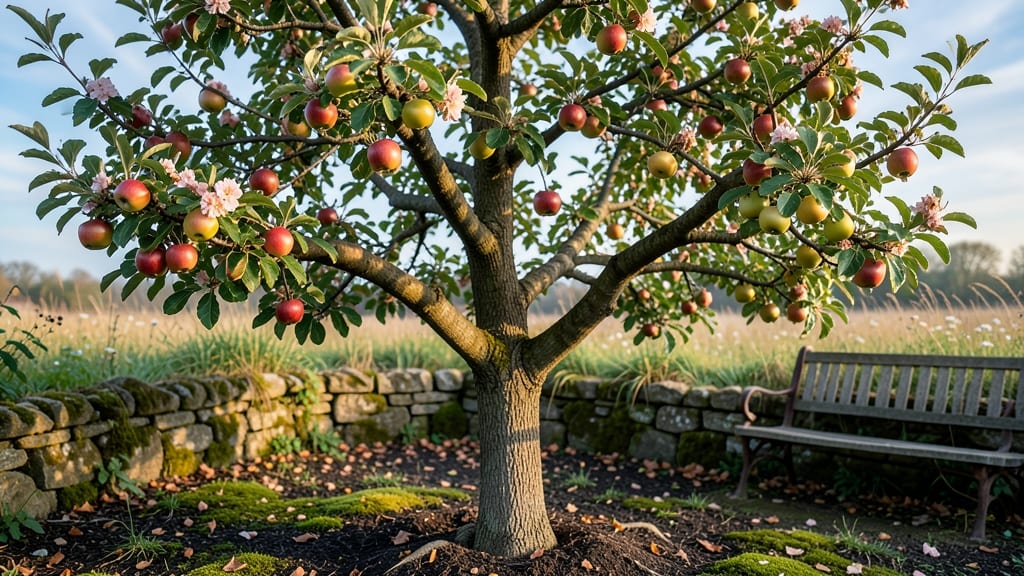
Strategic pruning turns this wild apple tree gardening project into a year-round fruit machine. 🍏 I’ve watched my backyard tree go from a tangled mess to producing 200+ pounds of crisp, juicy apples annually—all thanks to timing, technique, and a little patience.
The difference between a tree that bears a few sad apples and one that feeds your family for months comes down to how you shape it, when you feed it, and what you do when pests show up.
Start with the right variety for your climate—some trees need cross-pollination, while others thrive alone. Then, prep the soil with compost and mulch to give roots room to spread. Planting depth matters: bury the graft union 2-3 inches above soil level to prevent suckers from stealing energy.
Water deeply once a week (unless it rains), and fertilize in early spring with 10-10-10 for balanced growth. The pruning? That’s where the magic happens—cutting in late winter opens the canopy to sunlight, boosting fruit set.
By summer, you’ll see the payoff: vibrant green leaves, blossoms for next year, and clusters of apples swelling on branches. Prune again after harvest to remove dead wood and shape the tree for winter.
The key is consistency—skip a year, and you’ll fight back against overgrowth. But get it right, and your tree becomes the star of your yard, producing fruit well into its 50s with minimal effort.
Works for dwarf trees in containers or full-size varieties in orchards. The principles scale, but the details—like when to thin fruit or how to handle fire blight—make all the difference. Let’s get your tree on the right track.
📚 In This Guide
- What you need
- Instructions
- Tips and common mistakes
- Wrapping up and next steps
What you need
- ● Apple tree variety: Choose disease-resistant types like Honeycrisp, Fuji, or Granny Smith (2–3 trees for cross-pollination if needed).
- ● Soil: Well-draining, slightly acidic (pH 6.0–7.0) loam (amend with compost or peat moss if needed).
- ● Fertilizer: Balanced 10-10-10 or organic options like alfalfa meal (apply in early spring).
- ● Mulch: Wood chips or straw (2–4 inches deep, keep 6 inches away from trunk).
- ● Hand pruners: Bypass pruners (sharp, clean, and disinfected with rubbing alcohol).
- ● Loppers: For thicker branches (1.5–2.5 inches in diameter).
- ○ Pruning saw: For large limbs (optional but handy for mature trees).
- ● Grafting tools: Knife and grafting tape (if propagating from cuttings).
- ● Gloves: Heavy-duty work gloves (to protect from thorns and sap).
- ● Tree ties: Soft fabric strips to support young trees.
- ● Drip irrigation: For consistent watering (especially in drought-prone areas).
- ● Pest control: Neem oil or horticultural oil for aphids/mites.
- ● Tree spray: Copper fungicide (prevents scab/fire blight).
Step-by-step guide for planting and pruning your apple tree
Here’s how I keep my apple trees healthy and productive—starting from planting to year-round care.
🌱 Step 1: Choose the Right Location and Plant Your Tree
Apple trees thrive in full sun—at least 6-8 hours daily—with well-draining soil. I dig a hole twice as wide as the root ball but only as deep as the container’s base. This prevents burying the graft union, which causes weak growth. Amend the native soil with compost to improve drainage and fertility.
Place the tree so the top of the root ball sits 2-3 inches above ground level. This prevents waterlogging and encourages strong root development. Backfill with native soil, firming it gently around the roots to eliminate air pockets. Water deeply right after planting to settle the soil and remove any air gaps.
☀️ Step 2: Establish a Watering and Fertilizing Routine
For the first year, water your tree deeply once a week—about 10-15 gallons—unless rainfall provides 1 inch of moisture. Overwatering leads to shallow roots, while underwatering stresses the tree. I use a soaker hose to deliver water slowly at the base, avoiding wetting the leaves to prevent fungal diseases.
Fertilize in early spring with a balanced 10-10-10 formula or organic compost. Spread fertilizer in a ring around the tree’s drip line, then water it in. Avoid heavy nitrogen in the first year—it promotes leafy growth at the expense of root development. Mulch with 2-3 inches of organic mulch (like wood chips) to retain moisture and regulate soil temperature.
✂️ Step 3: Prune for Shape and Fruit Production
Prune your apple tree in late winter or early spring before buds swell. Remove dead, diseased, or crossing branches first—they compete for energy and spread infections. I use sharp, clean pruners to make cuts just outside the branch collar (the swollen area where the branch meets the trunk). This ensures proper healing.
Shape the tree into an open-center form, allowing light and air to reach the center. Aim to keep the main scaffold branches spaced 12-24 inches apart and angled outward. Thin out crowded branches to improve airflow, which reduces fungal diseases like apple scab. Never remove more than 25% of the tree’s foliage in one season—this weakens the tree.
🌿 Step 4: Monitor for Pests and Diseases Year-Round
Inspect your tree regularly for signs of pests like aphids, codling moths, or apple maggots. I spray neem oil or insecticidal soap early in the season to prevent infestations. For fungal diseases like powdery mildew, apply a copper fungicide in early spring as a preventative measure. Healthy trees resist pests better, so prioritize proper watering and pruning.
Thin fruit when they’re 1 inch in diameter to improve size and quality. Remove excess fruit clusters to reduce competition for nutrients. I leave 4-6 inches between apples on mature trees. Harvest when the fruit is fully colored and slightly soft to the touch—usually in late summer or fall, depending on the variety.
⏰ Step 5: Prepare for Winter and Next Year’s Growth
Before winter, wrap the trunk of young trees with tree guard or burlap to protect against rodent damage and temperature fluctuations. Older trees usually handle winter well, but I still mulch heavily to insulate roots. Prune out any winter-damaged branches in early spring before new growth begins.
Plan next year’s care by noting which branches produced the most fruit and which were overcrowded. Adjust your pruning strategy accordingly. Apple trees reward patience—with consistent care, they’ll bear fruit for decades. I always mark my calendar for spring fertilizing and summer thinning to stay on track.
Tips & tricks for perfect apple tree care
These practical insights will help you avoid common pitfalls and maximize your apple tree's potential every season.
Planting Precision: When planting, don't rush the backfilling process. After placing your tree with the root ball sitting 2-3 inches above ground, tamp the soil in layers as you fill the hole. This gradual settling prevents air pockets that could strangle new roots. I like to use my feet to gently compress each layer—just enough to remove air while keeping the soil loose enough for roots to penetrate easily. This careful layering makes all the difference in establishing strong root systems early on.
Watering Wisdom: That weekly 10-15 gallon deep watering is non-negotiable during the first year, but timing matters just as much as quantity. Water in the early morning so the foliage has all day to dry, preventing fungal infections. I set my timer for 6 AM and let the soaker hose run for about 45 minutes—just enough to deliver that full 10-15 gallons without over-saturating. Watch for puddling, which indicates you're watering too much in one spot.
Pruning Strategy: When shaping your tree in Step 3, focus on creating that open center but don't be afraid to be bold with your cuts. I often remove entire branches that are growing inward or rubbing against others—these compete for sunlight and nutrients. The key is to make clean cuts just outside the branch collar, and don't worry about leaving small stubs. These cuts heal better and prevent disease entry points. Remember, you're sculpting a framework that will support fruit production for decades.
Seasonal Preparation: Before winter arrives, take 10 minutes to inspect your tree's trunk for any rough bark or exposed areas. These vulnerable spots are prime targets for rodents and winter damage. Wrapping with tree guard isn't just for young trees—I've seen mature trees benefit from this simple protection. The extra insulation also helps regulate temperature fluctuations that can stress the cambium layer just beneath the bark. This small preventive measure can save you from dealing with winter dieback later.
Pro Tips for Apple Tree Gardening
- These practical insights will help you avoid common pitfalls and maximize your apple tree's potential every season.
- Planting Precision: When planting, don't rush the backfilling process.
- Watering Wisdom: That weekly 10-15 gallon deep watering is non-negotiable during the first year, but timing matters just as much as quantity.
Frequently asked questions
Got questions about growing and maintaining your apple tree? You’re not alone! Here are some of the most common queries—plus straightforward answers to keep your orchard thriving.
When is the best time to prune an apple tree?
The ideal time to prune is late winter or early spring (before buds swell but after the coldest months). This promotes healthy growth and fruit production. Avoid pruning in fall, as it can invite disease. For young trees, a light pruning in summer (after harvest) helps shape the canopy.
How do I know if my apple tree needs pruning?
Watch for crowded branches, dead or diseased wood, or limbs growing inward. A tree that produces small, sparse fruit or has uneven growth also signals it’s time. Thin out crossing branches and remove suckers (shoots at the base) to improve airflow and sunlight penetration.
How long does it take for an apple tree to bear fruit after planting?
Most apple trees take 3–5 years to bear fruit, but dwarf varieties may produce in 2 years. Patience is key—focus on proper pruning, soil health, and pollination (cross-pollinating varieties work best). A well-cared-for tree can reward you with apples for decades!
What should I do if my apple tree leaves are yellowing or dropping?
Yellow leaves often signal nutrient deficiencies (like iron or nitrogen), pests (aphids, mites), or fungal diseases (like apple scab). Test your soil, apply organic fertilizer, and inspect leaves for pests. Prune affected branches to improve airflow, and consider a fungicide if needed.
Can I grow an apple tree in a container or small yard?
Yes! Dwarf or semi-dwarf varieties (like ‘Columnar’ or ‘Spindle’) thrive in containers or tight spaces. Use a large pot (15+ gallons) with drainage, well-draining soil, and full sun. Repot every 2–3 years and prune regularly to control size. Just ensure it gets enough water and nutrients!
Wrapping up and next steps
Growing a thriving apple tree is all about patience, strategy, and a little love—especially when it comes to pruning! 🌳 By mastering the art of seasonal trimming, you’ll ensure strong branches, bountiful harvests, and a tree that stands the test of time.
Whether you’re a beginner or a seasoned gardener, every cut brings you closer to that perfect orchard dream.
Now that you’re armed with the when, why, and how of pruning, it’s time to roll up your sleeves! Start with just one branch—confidence grows with every snip. Happy gardening, and may your apple tree reward you with juicy, homegrown fruit for years to come! 🍏✨
- Next step: Grab your pruners and schedule your first pruning session—spring is calling!