
Pruning
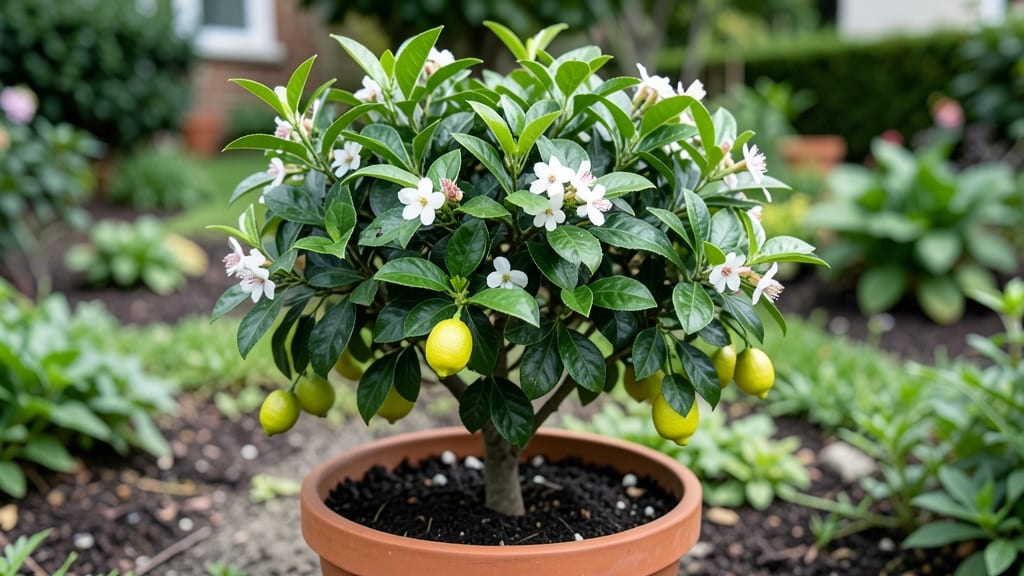
Growing a miniature lemon tree indoors requires dwarf varieties like 'Meyer' or 'Improved Meyer,' bright indirect light, well-draining soil, and consistent moisture. Prune regularly to maintain size and promote fruit-bearing, while ensuring proper humidity and occasional fertilization for optimal health.
Indoor lemon trees thrive when you choose the right compact varieties—like the cold-hardy 'Meyer' or the prolific 'Improved Meyer'—both of which naturally stay small enough for indoor pots. 🌿 The key to their success lies in mimicking their Mediterranean climate: place them near a south-facing window for 6+ hours of bright light daily, or supplement with a grow light during winter months.
Unlike outdoor trees, these dwarf varieties don't need vast root space, but they do demand frequent pruning to encourage bushier growth and fruit production.
I've found that keeping the soil slightly moist (never soggy) and using a pebble tray below the pot helps maintain the humidity levels these citrus trees crave.
What sets indoor lemon trees apart is their ability to produce fruit year-round with proper care. The 'Meyer' variety, for example, often blooms and bears fruit within 2-3 years of planting, while 'Improved Meyer' delivers sweeter lemons that are perfect for indoor growing conditions.
Regular fertilization every 2-3 months with a citrus-specific nutrient mix gives them the boost they need, especially during their active growing season in spring and summer.
💡 In This Article
- Best Miniature Lemon Tree Varieties for Indoor Cultivation
- Indoor Lemon Tree Care Guide: Light, Water, and Pruning Tips
Indoor lemon tree care guide: light, water, and pruning tips
Indoor lemon trees thrive when you replicate their Mediterranean climate, starting with light exposure. These compact varieties need 6-8 hours of bright, indirect sunlight daily—think south- or west-facing windows where the light is intense but filtered. 🌞 Without enough light, leaves will yellow and fruit production stalls.
If natural light is insufficient (common in winter), supplement with a full-spectrum LED grow light placed 12-18 inches above the tree for 12-14 hours per day. The light should mimic the sun's spectrum, with a focus on blue (6400K) and red (3000K) wavelengths to encourage photosynthesis and flowering.
Watering requires precision: lemon trees hate soggy roots but also need consistent moisture. Stick your finger 1-2 inches into the soil—if it feels dry, water thoroughly until liquid drains from the pot's bottom. 💧 Use room-temperature water to avoid shocking the roots, and always ensure pots have drainage holes.
Overwatering causes root rot, while underwatering leads to leaf drop. A good rule of thumb is to water every 7-10 days in winter and 5-7 days in summer, adjusting based on humidity levels in your home.
Humidity is critical—these trees love 50-60% humidity, so place the pot on a tray of pebbles with water, or use a humidifier nearby, especially in dry winter months when indoor air gets parched.
Pruning is where you shape both the tree's size and its fruit-bearing potential. Use clean, sharp pruning shears to trim back 1/3 of the new growth in late winter or early spring, just before the growing season kicks off. 🌱 This encourages bushier growth and more branches for fruit production.
Remove any dead, yellowing, or crossing branches to improve air circulation and reduce disease risk. For dwarf varieties, aim to keep the tree between 3-5 feet tall—this prevents it from outgrowing its indoor space while still allowing room for lemons to develop.
Prune lightly after harvest to maintain the shape and remove any suckers (shoots growing from the base) that divert energy from fruit production.
The real secret to indoor success lies in seasonal adjustments.
During spring and summer, when growth is most active, fertilize every 2-3 months with a balanced citrus fertilizer (look for a 6-6-6 or 8-8-8 NPK ratio). 🌿 In fall and winter, reduce watering slightly and fertilize only once or twice, as the tree enters a natural dormancy period.
Watch for pests like spider mites or scale insects—these thrive in dry indoor air. If you spot them, wipe leaves with a damp cloth and treat with neem oil. Regular care like this keeps your miniature lemon tree healthy, productive, and full of life for years to come.
What most people overlook is the importance of repotting every 2-3 years to refresh the soil and accommodate root growth.
Choose a pot just 1-2 inches larger in diameter than the previous one—too much space leads to overwatering and root rot. 🌱 The right soil mix is crucial too: use a blend of 50% potting soil, 30% perlite or pumice, and 20% compost to ensure excellent drainage while retaining enough moisture.
This balance is what keeps your indoor lemon tree thriving, producing lemons, and bringing that fresh citrus aroma to your home year-round.