
How To
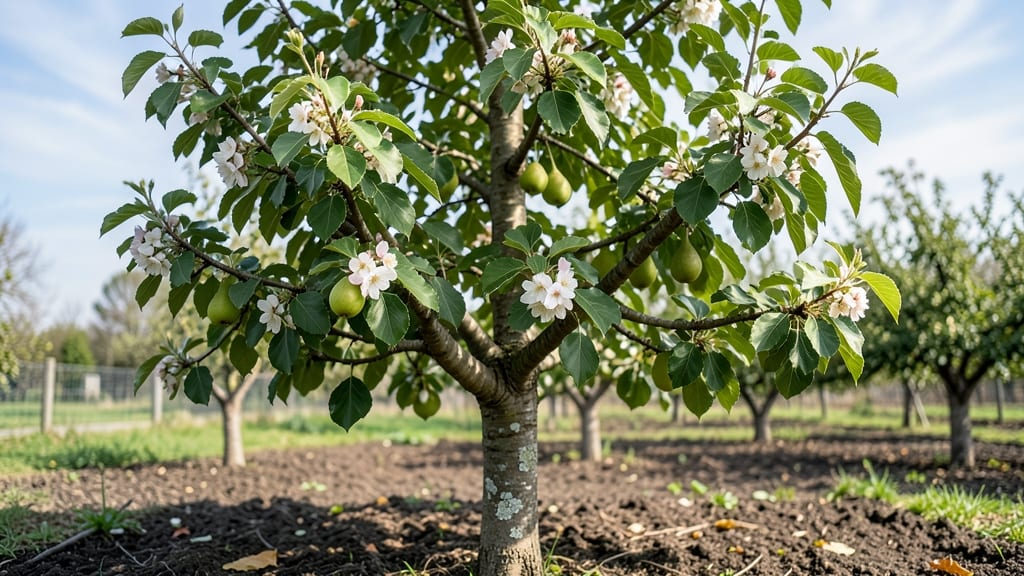
A pear tree grows anywhere from how tall does a pear tree grow—ranging from 8 feet for dwarf varieties to towering 50 feet for standard types—and picking the right size can make or break your harvest dreams.
Picture this: You’ve got a backyard just big enough for a cozy patio, but you’re eyeing that perfect Bartlett pear tree—only to realize it’ll outgrow your space in a decade. Or maybe you’re planning a full orchard and need to know how much room to leave between trees.
The height of your pear tree isn’t just about aesthetics; it’s about fruit access, pruning effort, and even whether you’ll need a ladder to pick your own pears.
Dwarf varieties like ‘Hooded’ or ‘Patten’ stay under 12 feet, making them ideal for containers or small yards, while standard trees like ‘Seckel’ or ‘Anjou’ can reach 30 feet or more. Semi-dwarfs strike a balance at 12-18 feet, perfect for suburban lots.
Below, I’ll break down the height ranges by variety, how to control growth with pruning, and the spacing rules you need to avoid a tangled mess of branches.
Ready to pick the perfect pear tree for your space? You’ll learn how to read the labels, what to ask at the nursery, and the one pruning trick that keeps even standard trees manageable—without sacrificing those juicy, homegrown pears.


Pear tree height by variety: dwarf, semi-dwarf, and standard sizes explained
Choosing the right pear tree height depends entirely on your space and growing goals. Whether you have a sprawling backyard or a cozy balcony, there’s a pear variety that fits. The key difference lies in the rootstock—the underlying tree structure that determines final size.
Dwarf rootstocks keep trees under 12 feet, while standard varieties can soar to 30+ feet. Let’s break down the options so you can pick the perfect fit for your garden.
Understanding these height categories helps with long-term planning. A dwarf pear tree might work in a container, while a standard pear tree needs ample yard space. Popular varieties like Bartlett and Anjou come in all three sizes, so you can match fruit preference with space constraints.
Below, we’ll compare growth rates, mature sizes, and the best varieties for each category.
Dwarf pear trees are the space-saving superstars of home orchards. Growing just 6–12 feet tall, they’re perfect for balconies, patios, or small yards. Varieties like Seckel and Moonglow thrive in containers, making them ideal for urban gardeners.
Their slower growth rate—about 1–2 feet per year—means you’ll enjoy fruit in as little as 3–5 years after planting.
Semi-dwarf pear trees strike a balance, reaching 12–16 feet at maturity. These are the workhorse varieties for most home gardens, offering a manageable height while still producing bountiful harvests. Popular choices like Bartlett and Anjou grow at a steady 2–3 feet per year, making them great for backyard orchards.
They require slightly more space than dwarfs but are far easier to manage than standard trees.
If you have the room—and the ambition—standard pear trees are the grand finale of fruit-bearing giants. Towering 20–30+ feet tall, these trees need ample space but reward you with massive yields and classic pear flavors.
Varieties like Kieffer and standard Seckel grow 3–5 feet per year, so patience is key. They’re best suited for rural properties or dedicated orchards where their full potential can shine.
One common misconception is that pear tree height is solely determined by variety. In reality, pruning plays a huge role in controlling growth. Even standard trees can be kept smaller with regular pruning, while dwarf trees may grow slightly taller if not pruned.
The key is to prune in late winter to shape the tree and remove water sprouts that encourage vertical growth.
For container gardening, dwarf varieties are your best bet. Choose a pot at least 20 gallons in size with drainage holes, and use a well-draining potting mix. Remember, container-grown trees need more frequent watering and may require annual repotting to prevent root-bound stress.
With the right care, even a 6-foot dwarf pear tree can thrive on your patio and produce delicious fruit.
When selecting a pear tree, consider not just height but also pollination needs. Some varieties are self-pollinating, while others require a second tree for cross-pollination.
For example, Bartlett needs a pollinator like Anjou, but Seckel can thrive alone. Always check the variety’s requirements before planting to ensure a successful harvest.
No matter which size you choose, soil quality and sunlight exposure are critical for optimal growth. Pear trees thrive in full sun (6–8+ hours daily) and well-draining, slightly acidic soil (pH 6.0–7.0).
Amend heavy clay soil with compost to improve drainage, and mulch around the base to retain moisture and regulate soil temperature.
Ready to pick your perfect pear tree? Start by measuring your space and matching it to the height categories above. Whether you dream of a balcony-sized dwarf or a backyard orchard giant, there’s a pear
How to choose the right pear tree height for your space and climate
Choosing the right pear tree height depends on your yard size, climate, and gardening goals. A standard pear tree can reach 25-50 feet, towering over your home, while dwarf varieties stay between 6-12 feet, perfect for small spaces.
Your decision impacts everything from fruit production to ease of maintenance.
Before selecting a size, measure your available space and consider tree spacing requirements. Standard trees need 20-30 feet of clearance, while dwarf varieties thrive in 8-12 feet of space. If you're planting multiple trees, account for cross-pollination needs—some varieties require a second tree for fruit set.
🌱
Pear Tree Height Options
Dwarf (6-12 ft)
- Pros: Fits small yards, containers, urban gardens
- Cons: Lower fruit yield, needs staking
Semi-Dwarf (12-18 ft)
- Pros: Balanced size, good fruit production
- Cons: Needs more space than dwarf
Standard (20-50+ ft)
- Pros: Highest yield, long lifespan
- Cons: Requires large space, pruning
Climate plays a crucial role in pear tree height. In warmer climates (USDA Zones 7-10), trees grow faster and taller, while colder regions (Zones 4-6) may benefit from dwarf varieties that ripen fruit earlier. Always check your last frost date—pear trees need 150-300 frost-free days to produce fruit.
For container gardening, choose dwarf or semi-dwarf varieties like 'Hooded' or 'Pineapple' pears. Use a 15-gallon pot with drainage holes and repot every 2-3 years as the tree grows. Prune regularly to maintain shape and encourage fruit production.
If you're unsure, start with a semi-dwarf variety—it offers a middle ground between manageable size and good fruit yield. Pair it with a compatible pollinator like 'Bartlett' or 'Anjou' to ensure successful fruit set. With the right tree height and care, you'll enjoy homegrown pears for decades!
✂️