
Leaf Blower
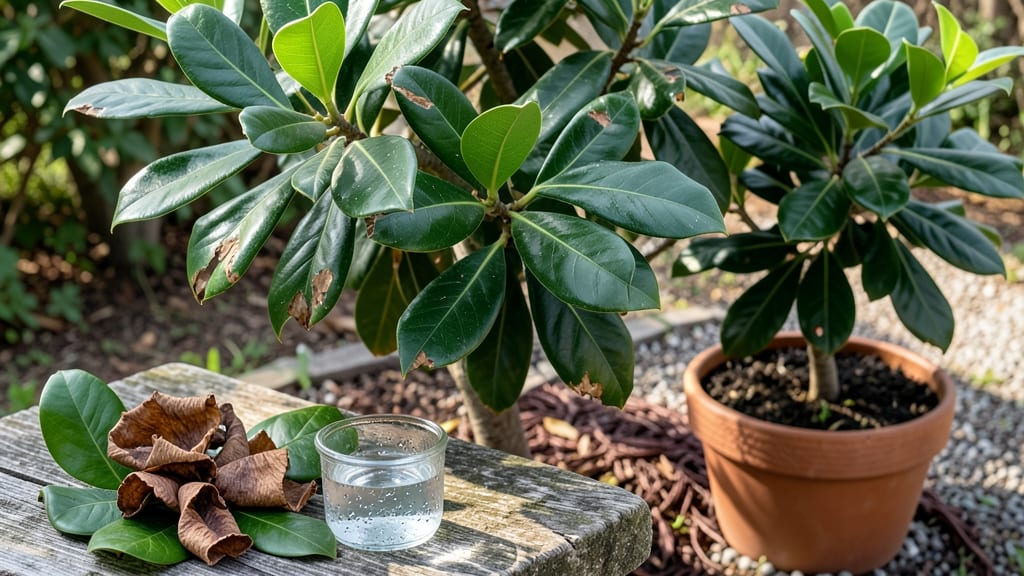
Your bay leaf tree’s leaves turning brown might be screaming for help—but fixing them is easier than you think. 🌿 I’ve nursed back more than a few struggling bay trees, and the culprits are almost always the same: too much water, not enough, or a sneaky pest playing hide-and-seek.
The good news? Each fix takes less than 10 minutes and saves your tree from becoming a sad, skeletal shadow of itself.
First, check the soil—if it’s soggy, you’re overwatering; if it’s bone-dry, you’re underwatering. Bay trees hate wet feet but also despise drought stress. Then, inspect the leaves for tiny webs (spider mites) or sticky residue (aphids).
A quick spray with neem oil or a gentle hose blast usually does the trick. Most brown leaves are already beyond saving, but stopping the spread is the real win.
Within 2-4 weeks, you’ll see fresh green growth pushing out if the roots are still healthy. Prune the dead leaves to redirect energy, and keep the soil consistently slightly moist (not soaked).
The key is consistency—bay trees are tough once they’re happy, but they’ll throw a fit if you neglect them for too long.
If the whole tree looks sad and the soil smells foul, it might be time to call in a pro—root rot or fungal issues need stronger medicine. But for 90% of cases, these simple checks and fixes work like a charm. Your tree’s lush, fragrant comeback starts today.
Root Causes Of Browning Leaves
When your bay leaf tree’s leaves start turning brown, it’s often a cry for help from the plant itself. Understanding the why behind the discoloration is the first step to saving your tree.
Below, we break down the most common culprits—each with a clear scientific explanation and actionable insights to diagnose the issue accurately.
Bay leaf trees (Laurus nobilis) thrive in well-drained soil but are extremely sensitive to soggy roots. When waterlogged, roots suffocate due to a lack of oxygen, leading to root rot (a fungal infection caused by Phytophthora or Pythium).
This disrupts nutrient and water uptake, causing leaves to yellow or brown at the edges first, then progress inward.
🔍 How to spot it:
- Wilting despite wet soil
- Mushy, dark roots when inspected
- Brown leaves with a mushy texture (not crispy)
💡 Fix it:
- Check soil moisture by sticking your finger 2 inches deep—water only if dry.
- Repot in a container with fast-draining mix (50% potting soil, 30% perlite, 20% sand).
- Ensure pots have drainage holes and elevate them on saucers.
- If root rot is confirmed, trim affected roots with sterilized shears and treat with a copper fungicide.
Bay leaf trees prefer consistent moisture but can’t tolerate drought. When soil dries out completely, leaves lose turgor pressure, causing them to curl, crisp, and brown—especially along the edges. High temperatures (above 90°F/32°C) accelerate this by increasing transpiration (water loss) faster than roots can replenish it.
🔍 How to spot it:
- Dry, brittle soil that pulls away from the pot
- Leaves feel papery or brittle to the touch
- Brown edges with no fungal spots (unlike overwatering)
💡 Fix it:
- Water deeply until it drains from the bottom, then wait until the top 1–2 inches of soil are dry.
- Mulch the soil surface with organic matter (like bark chips) to retain moisture.
- Move the tree to partial shade during peak afternoon sun (12 PM–4 PM).
- Mist leaves daily in extreme heat to reduce stress.
Bay leaf trees are tropical/subtropical and struggle with sudden temperature drops (below 40°F/4°C) or dry air (common in heated homes). Cold drafts or air conditioning vents can cause chlorosis (yellowing between veins) followed by browning. Low humidity (below 40%) also leads to edge burn as leaves lose moisture faster than roots can supply it.
🔍 How to spot it:
- Brown patches on one side of the tree (near a window or vent)
- Leaves drop prematurely during temperature swings
- Dry, crispy edges with no other symptoms
💡 Fix it:
- Keep temperatures between 60–75°F (15–24°C); avoid placing near drafts or heaters.
- Use a humidifier or place the pot on a pebble tray with water.
- Group plants together to create a microclimate with higher humidity.
- Gradually acclimate the tree to outdoor conditions if moving it (e.g., harden off over 2 weeks).
Bay leaf trees are prone to leaf spot diseases (e.g., Septoria or Cercospora) and bacterial leaf blight, often triggered by excess moisture on leaves. Fungal spores thrive in humid conditions, causing dark brown spots with yellow halos that spread rapidly. Bacterial infections create water-soaked lesions that turn brown and oily.
🔍 How to spot it:
- Spots with fuzzy mold (fungal) or slime trails (bacterial)
- Leaves may drop prematurely or develop holes
- Symptoms worsen in humid, rainy conditions
💡 Fix it:
- Remove all infected leaves and disinfect pruners with rubbing alcohol.
- Apply a copper-based fungicide (like Copper Soap) every 7–10 days.
- Improve airflow by pruning dense foliage and spacing plants.
- Avoid overhead watering; use drip irrigation or water at the base.
🎯 Pro Tip: Before treating, test your soil’s pH (ideal: 6.0–7.0 for bay trees). Nutrient deficiencies (like magnesium or iron) can also cause browning—amend soil with Epsom salt or chelated iron if needed.
Revive Your Tree’s Health Now
Brown leaves on your bay leaf tree don’t have to mean the end—with the right care, you can restore its lush green beauty. Below, we’ve matched common causes to practical, step-by-step fixes, plus tips to keep your tree thriving long-term.
Let’s get your bay leaf tree back to its vibrant best!
Signs: Yellowing leaves, mushy stems, or brown edges with soggy soil.
How to Treat It: 🔥 🌱 Step 1: Check the Soil Moisture Use your finger to test the top 2 inches of soil. If it’s damp, hold off on watering for a few days. Bay leaf trees prefer well-draining soil—if water pools at the base, drainage is the issue.
🍳 👨🍳 Step 2: Improve Drainage
- Repot if needed: Choose a pot with drainage holes (or add a layer of pebbles at the bottom if repotting isn’t an option).
- Amend the soil: Mix in perlite, sand, or coconut coir (20-30%) to loosen heavy soil.
- Water less frequently: Let the top inch dry out between waterings. Overwatering is the #1 killer of bay leaf trees!
🥘 ⏰ Step 3: Adjust Your Watering Routine
- Morning watering is best—avoid soggy evenings.
- Water deeply but less often (once a week in summer, every 10-14 days in winter).
- Avoid wetting the leaves to prevent fungal issues.
💡 Pro Tip: If your tree is in the ground, raise the soil level slightly around the base to encourage better drainage.
Signs: Crispy, dry brown edges or leaves curling upward.
How to Treat It: 🔥 🌱 Step 1: Hydrate Properly
- Water thoroughly until it drains from the bottom (for potted trees).
- Check soil moisture daily in hot, dry climates—bay leaf trees need consistent moisture but not soggy conditions.
🍳 👨🍳 Step 2: Boost Humidity Bay leaf trees love 60-70% humidity.
Try these tricks: - Mist leaves lightly 2-3 times a week (use room-temperature water). - Place a tray of water + pebbles near the tree (ensure the pot isn’t sitting in water). - Group plants together to create a microclimate. - Use a humidifier if indoors during winter.
🥘 ⏰ Step 3: Protect from Heat Stress
- Move potted trees to a shadier spot during peak sun (10 AM–4 PM).
- Avoid cold drafts (e.g., near AC vents or open windows in winter).
- Mulch outdoor trees with organic matter (like bark chips) to retain moisture.
💡 Pro Tip: If leaves are already crispy, trim them off—it encourages new growth. Focus on preventing further stress moving forward.
Signs: Brown patches, scorch marks, or leaves dropping suddenly.
How to Treat It: 🔥 🌱 Step 1: Shield from Harsh Conditions
- Outdoor trees: Provide afternoon shade (especially in hot climates).
- Indoor trees: Keep away from direct sunlight near windows (south-facing windows are the worst culprits).
- Hardy varieties (like Laurus nobilis) can handle partial sun, but young or potted trees need protection.
🍳 👨🍳 Step 2: Gradually Acclimate to Sun If your tree was indoors, harden it off before moving outside:
- Place near a shaded window for a week.
- Move to a dappled-shade spot for 2-3 days.
- Gradually increase sun exposure over 10-14 days.
🥘 ⏰ Step 3: Protect from Cold Snaps
- Indoor trees: Keep temps above 50°F (10°C)—avoid drafts from doors/windows.
- Outdoor trees: Cover with frost cloth if temps drop below freezing.
- Mulch heavily in winter to insulate roots.
💡 Pro Tip: If leaves are sunburned, prune them off—the tree will grow new, healthier foliage. Focus on slow adjustments to light/temperature.
Signs: Yellowing between veins, stunted growth, or brown leaf tips.
How to Treat It: 🔥 🌱 Step 1: Test Your Soil Use a simple soil test kit (available at garden centers) to check pH and nutrient levels. Bay leaf trees prefer:
- pH: 6.0–7.5 (slightly acidic to neutral).
- Rich, well-draining soil with organic matter.
🍳 👨🍳 Step 2: Fertilize Correctly
- For potted trees: Use a balanced liquid fertilizer (10-10-10) every 4-6 weeks in spring/summer. Dilute to half-strength to avoid burning roots.
- For outdoor trees: Apply compost or slow-release granules in early spring.
- Avoid fertilizing in winter—the tree is dormant!
🥘 ⏰ Step 3: Target-Specific Fixes | Issue | Solution | |-------------------------|-----------------------------------------------------------------------------| | Iron deficiency | Sprinkle iron chelate on soil or use a foliar spray. | | Nitrogen deficiency | Add blood meal or fish emulsion (high in nitrogen). | | Over-fertilizing | Flush the soil with water to remove excess salts.
Repot if severe. |
💡 Pro Tip: Brown tips from fertilizer? It’s often salt buildup. Flush the soil with water and reduce fertilizer strength.
Once you’ve revived your bay leaf tree, lock in its health with these habits: ✨ 🌡️ Monitor conditions—adjust water, light, and humidity as seasons change. ✨ 🍃 Prune regularly—remove brown/damaged leaves to redirect energy to new growth. ✨ 🌱 Repot every 2-3 years—root-bound trees stress easily. ✨ 🐛 Watch for pests (like spider mites)—treat early with neem oil or insecticidal soap. ✨ 🍂 Mulch outdoors—helps retain moisture and regulate soil temp.
Your bay leaf tree can bounce back! Start with the fix that matches your tree’s symptoms, and within 4-6 weeks, you’ll see fresh, vibrant leaves. 🌿💚 Which issue is affecting your tree? Let us know in the comments—we’re happy to help!
Frequently asked questions
Why do only the older leaves turn brown first?
Bay leaf trees use a process called senescence—older leaves brown and drop to redirect nutrients to new growth. This is normal if only the bottom leaves are affected and the tree still has fresh green foliage. However, if new leaves also turn brown, check for overwatering or nutrient deficiencies.
Can I save my bay leaf tree if half the leaves are already brown?
Yes! Prune the brown leaves immediately to prevent disease spread and redirect energy to healthy growth. Focus on fixing the root cause (water, light, or humidity) within 2-4 weeks—you’ll see new green leaves emerging from the stems. The key is stopping further damage, not trying to "revive" dead leaves.
How often should I water my bay leaf tree indoors?
Water when the top 1-2 inches of soil feel dry to the touch—about once a week in summer and every 2-3 weeks in winter. Use your finger to test moisture; bay trees hate soggy soil but also suffer from drought stress. Always use pots with drainage holes to prevent root rot.
Will brown leaves come back green if I fix the problem?
No, but new leaves will grow in vibrant green! The brown leaves are already dead tissue, but by addressing the issue (water, light, or pests), your tree will produce fresh foliage within 4-6 weeks. Focus on preventing further browning by maintaining consistent soil moisture and proper care.
Is it safe to use household items like vinegar or baking soda to fix brown leaves?
Not for this issue—vinegar and baking soda can harm your tree. For browning leaves, stick to proper watering techniques, neem oil for pests, or copper fungicide for fungal issues. Always test any treatment on a small area first, and avoid overusing chemicals that can damage roots.