
How To
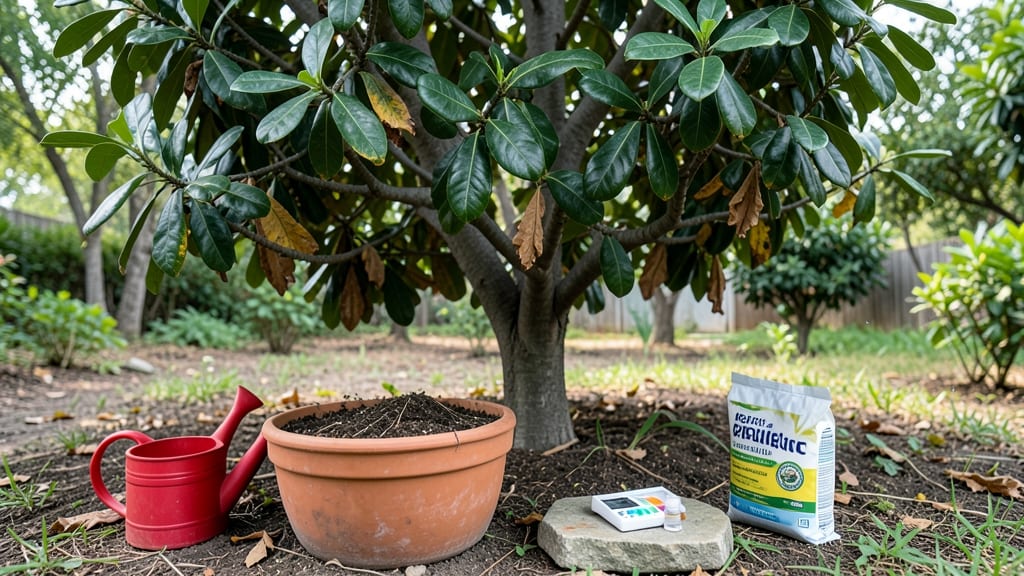
Brown leaf tips on your avocado tree aren’t just unsightly—they’re a cry for help that’s easy to fix once you know the cause. 🌿 I’ve seen this problem ruin perfectly healthy trees, but the solution always comes down to three key factors: water, nutrients, and air circulation.
Most gardeners overlook one of these, and that’s exactly what’s happening to your plant.
The most common culprits are underwatering (which stresses roots) or overwatering (which drowns them), but nutrient deficiencies—especially potassium or magnesium—can also trigger those crispy brown edges. Pests like spider mites or environmental factors like low humidity play a role too, though they’re less likely unless you’ve seen other symptoms first.
The good news? Each of these has a straightforward fix that restores your tree’s health in weeks.
Start by checking the soil moisture—stick your finger an inch deep, and if it’s bone dry or soggy, that’s your first clue. Adjust your watering schedule to keep soil consistently moist but never soggy, and consider a balanced fertilizer to replenish missing nutrients.
Prune the brown tips (they won’t recover) and boost airflow around the tree to prevent future stress. Within a month, you’ll see new growth pushing out with vibrant green edges.
This method works for both container-grown avocados and in-ground trees, and the fixes are so simple they’ll have you questioning why you didn’t try them sooner. The key is acting fast—before the problem spreads to the whole leaf. Let’s get your tree thriving again.
Root Causes Of Leaf Discoloration
Understanding why your avocado tree’s leaves develop brown tips is the first step toward restoring its health. These symptoms rarely appear in isolation—they’re often a cry for help from your tree, signaling underlying stress or neglect.
Below, we break down the most common culprits, backed by science, so you can diagnose the issue accurately and take targeted action.
Avocado trees (Persea americana) are drought-tolerant natives of arid regions, meaning they hate soggy roots. When overwatered or planted in heavy, poorly draining soil, roots suffocate from lack of oxygen, leading to root rot (Phytophthora or Fusarium fungi).
As the tree struggles to absorb water and nutrients, leaves react by developing crispy, brown edges—a classic sign of hydric stress.
- How it happens:
- Excessive irrigation (especially in containers or clay-heavy soil).
- Compacted or waterlogged soil trapping moisture against roots.
- No mulch layer to regulate soil temperature and moisture evaporation.
- Key visual clues:
- Yellowing between leaf veins (chlorosis) before brown tips appear.
- Mushy, blackened roots when inspected (a red flag for rot).
- Wilting despite wet soil (the tree can’t uptake water efficiently).
💡 Pro Tip: Stick your finger 2–3 inches into the soil—if it’s damp, wait before watering. Avocados thrive on the "dry-down" method: water deeply, then let the top 1–2 inches of soil dry out completely before repeating.
Brown, scorched-looking tips can also stem from salt accumulation in the soil—a common issue in urban gardens, coastal areas, or when using tap water high in chlorine/fluoride. Over time, these minerals disrupt cellular function, causing leaf edges to dry out prematurely.
- How it happens:
- Tap water with high mineral content (test your water’s TDS—ideal is <500 ppm).
- Fertilizer burn from over-salting soil (especially with synthetic NPK fertilizers).
- Sodium or chloride in soil from hard water runoff or road salt drift.
- Key visual clues:
- Brown tips spread inward like a "V" shape.
- White crust on soil surface (salt deposits).
- Stunted growth despite regular watering.
✨ Fix It: Flush the soil with rainwater or distilled water (avoid tap) and amend with organic matter (compost or coconut coir) to dilute salts. For potted avocados, repot in fresh soil if salt buildup is severe.
Avocado trees are sensitive to temperature extremes, and sudden shifts—whether heatwaves, cold snaps, or dry winds—can trigger brown tips as a defense mechanism. Leaves lose moisture faster than roots can replenish it, leading to desiccation (drying out).
- How it happens:
- Low humidity (common in indoor pots or arid climates).
- Cold drafts (AC vents, winter winds) damaging leaf cell membranes.
- Direct sunlight after a rainy period (leaves absorb too much light too fast).
- Key visual clues:
- Tips turn brown and papery (like burnt edges).
- New growth is smaller or curled.
- Problem worsens in afternoon heat (10 AM–4 PM is peak stress time).
🌡️ Solution: Move potted trees to partial shade during extreme heat and away from drafts in winter. Mist leaves early in the morning (avoid evening to prevent fungal growth) or use a pebble tray to boost humidity.
While less common than environmental causes, pathogens like Colletotrichum (anthracnose) or Pseudomonas (bacterial leaf spot) can cause brown, oily or sunken spots on leaf edges. These thrive in wet, humid conditions and spread via splashing water or contaminated tools.
- How it happens:
- Overhead watering (keeps leaves damp for long periods).
- Poor air circulation (crowded plants or dense foliage).
- Wounded leaves (from pruning or hail) acting as entry points.
- Key visual clues:
- Brown spots with yellow halos (fungal) or water-soaked patches (bacterial).
- Black or white mold on leaf undersides.
- Spots spread rapidly in humid weather.
🔥 Treatment: Prune infected leaves with sterilized shears, apply copper fungicide (for prevention), and ensure 6–8 hours of airflow around the tree. Avoid watering leaves directly—use drip irrigation instead.
Brown tips can also signal micronutrient deficiencies, particularly potassium (K), magnesium (Mg), or calcium (Ca). These minerals regulate osmotic balance in cells—without them, leaves lose water and nutrients through their edges, leading to necrosis (dead tissue).
- How it happens:
- Potassium deficiency: Weakens cell walls, causing margin scorch (brown edges).
- Magnesium deficiency: Interferes with chlorophyll production (yellowing between veins first, then brown tips).
- Calcium deficiency: Leads to blossom end rot-like symptoms in leaves.
- Key visual clues:
- Potassium: Brown tips curled downward (like a "cup").
- Magnesium: Yellowing starts at leaf centers, then browns at edges.
- Calcium: Tips crisp but brittle, often with blackened veins.
💪 Fix It: Test soil pH (ideal: 6.0–7.0) and amend with:
- Potassium: Banana peel tea or greensand.
- Magnesium: Epsom salt (1 tbsp/gallon of water, foliar spray).
- Calcium: Crushed eggshells or lime (if soil is acidic).
While less obvious, sap-sucking pests like spider mites, thrips, or scale insects can weakened leaves, making them prone to browning. These pests inject toxins or strip nutrients, causing stress that manifests as brown tips.
- How it happens:
- Spider mites: Tiny webs on leaf undersides + stippling (silver dots).
- Thrips: Scarring on new growth + feathery brown edges.
- Scale insects: Sticky residue (honeydew) + yellowing leaves.
- Key visual clues:
- Sticky residue on leaves (honeydew = aphids/scale).
- Fine webbing (mites).
- Wilting despite hydration (pests block water transport).
🐜 Solution: Blast pests off with water spray, introduce beneficial insects (ladybugs, lacewings), or use neem oil (1% solution, weekly for 2 weeks). Isolate infected plants to prevent spread.
Revive Your Avocado Tree Now
Seeing brown leaf tips on your avocado tree can be frustrating, but the good news is that most causes have straightforward fixes. Below, we’ve mapped out the most common culprits and the best ways to tackle them—plus tips to keep your tree thriving long-term.
Think of this as your step-by-step guide to turning those crispy edges into lush, healthy foliage again!
If your avocado tree’s soil stays soggy, roots suffocate and leaves turn brown at the tips. Here’s how to correct it:
🔥 Fix It Fast
- Stop watering immediately until the top 2–3 inches of soil are dry (stick your finger in to test).
- Repot if needed: If the pot lacks drainage holes, transfer your tree to a container with holes or a raised bed.
- Add perlite or sand to heavy soil to improve aeration (mix 20% perlite/sand into potting soil).
🌱 Prevention Tips
- Water deeply but infrequently: Avocados hate "wet feet." Water only when the topsoil is bone-dry.
- Use a moisture meter to avoid guesswork—aim for 40–60% moisture in the root zone.
- Choose the right pot: Terracotta or fabric pots dry out faster than plastic.
Brown tips can also signal thirst—or mineral buildup from tap water. Here’s how to quench your tree’s needs:
🍳 Fix It Fast
- Flush the soil: Water thoroughly for 10–15 minutes to leach out excess salts (repeat monthly).
- Switch to filtered or rainwater if your tap water is hard (high in minerals).
- Water in the morning to reduce evaporation and let roots absorb moisture slowly.
💡 Prevention Tips
- Mulch around the base (2–3 inches of organic mulch) to retain moisture.
- Group plants together to create a microclimate that holds humidity.
- Check soil pH: Avocados prefer slightly acidic soil (pH 6.0–7.0). Test kits are cheap and easy to use.
Avocado trees are tropical and hate sudden temperature swings. Here’s how to shield them:
👨🍳 Fix It Fast
- Move potted trees to a shaded spot during heatwaves (avoid direct sun until leaves recover).
- Use shade cloth (30–50% coverage) if outdoors to filter harsh sunlight.
- Avoid cold drafts: Keep indoor trees away from AC vents or open windows in winter.
✨ Prevention Tips
- Acclimate gradually: If moving outdoors, introduce your tree to sunlight over 1–2 weeks.
- Use a heat lamp in winter for indoor trees if temps drop below 50°F (10°C).
- Group with other plants to create a natural windbreak and stabilize temperatures.
Brown tips can signal a fungal infection (like root rot) or bacterial leaf spot. Act quickly to stop the spread:
🔪 Fix It Fast
- Trim infected leaves with sterilized pruners (dip in rubbing alcohol between cuts).
- Apply neem oil spray (1 tsp neem oil + 1 quart water + a drop of dish soap) weekly until new growth appears.
- Repot in fresh, sterile soil if root rot is suspected (remove mushy roots before replanting).
🎯 Prevention Tips
- Sterilize tools after pruning to prevent cross-contamination.
- Avoid overhead watering—water at the base to keep leaves dry.
- Improve airflow by spacing plants 3–4 feet apart (or prune to open the canopy).
Yellowing or brown tips can mean your avocado is hungry—especially for nitrogen, potassium, or magnesium. Here’s how to fix it:
🥗 Fix It Fast
- Fertilize with a balanced formula (10-10-10 or 20-20-20) diluted to half-strength. Apply every 4–6 weeks in growing season.
- For magnesium deficiency (yellowing between veins), use Epsom salt (1 tbsp per gallon of water) every 2 weeks.
- Avoid over-fertilizing: Too much salt burns roots—always water after feeding.
💪 Prevention Tips
- Test soil annually to monitor nutrient levels (home kits are affordable).
- Use organic matter: Mix in compost or worm castings to improve soil health naturally.
- Feed lightly in winter: Avocados rest in cooler months—reduce fertilizer to once every 2 months.
With these targeted fixes, your avocado tree should bounce back in 4–6 weeks. Monitor progress and adjust care as needed—your tree’s recovery is totally within reach! 🌿
Frequently asked questions
Why do my avocado tree leaves only get brown tips and not the whole leaf?
Brown tips usually indicate environmental stress like underwatering, salt buildup, or low humidity—issues that affect leaf edges first. The center stays green because the tree prioritizes protecting vital tissue. Think of it like a plant version of frostbite: extremities suffer first. Check soil moisture and air circulation to pinpoint the exact cause.
Can I save my avocado tree if half the leaves have brown tips?
Yes! Prune the damaged tips immediately (they won’t recover) and address the root cause within 2-3 weeks. Most trees bounce back fully if you fix watering, nutrients, or environmental factors. For severe cases, repot in fresh soil and monitor closely—new growth should appear in 4-6 weeks with proper care.
Is it safe to use tap water for my avocado tree if it has brown tips?
Not ideal—tap water often contains chlorine/fluoride that builds up salts in soil, worsening brown tips. Switch to rainwater or filtered water (TDS <500 ppm). If that’s not possible, flush the soil monthly with 10-15 minutes of water to leach out minerals. For potted trees, repotting in fresh soil may be necessary.
How often should I fertilize an avocado tree with brown tips?
Start with a balanced, diluted fertilizer (half-strength 10-10-10) every 6-8 weeks during growing season (spring-fall). If you suspect deficiencies, target specific nutrients: Epsom salt for magnesium (yellowing between veins) or banana peel tea for potassium. Avoid fertilizing in winter when growth slows.
Will pruning brown tips help my avocado tree recover faster?
Pruning removes dead tissue that drains energy, allowing the tree to focus on new growth. Use sterilized shears to cut just above healthy green tissue. For severe cases, prune 20-30% of affected leaves and monitor for new growth within 2-3 weeks. Never prune more than 1/3 of the canopy at once.