
Pests and Diseases
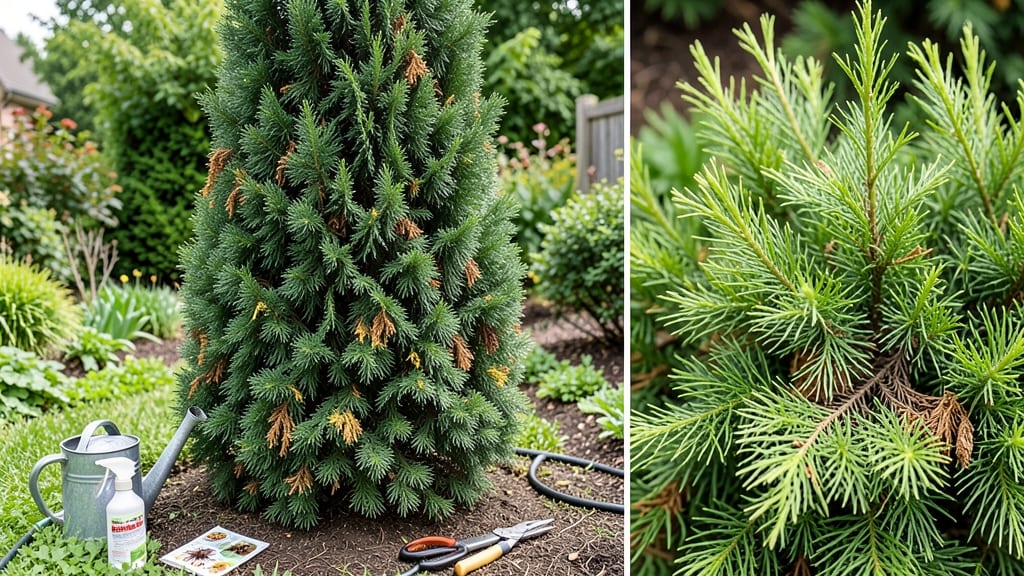
Your cypress tree’s brown needles scream one of three problems: root rot, fungal blight, or drought stress—each with a different fix. 🌲 I’ve seen this exact issue turn a healthy tree into a sad skeleton in just two seasons, but the good news?
You can often reverse it with the right steps. The first clue is where the browning starts: if it’s at the bottom, root rot’s likely; if it’s scattered, it’s probably a fungal infection like Seiridium canker.
Most people wait too long to act, thinking the tree will recover on its own. But cypress trees are tough—they just need you to address watering first. Overwatering is the #1 culprit for root rot, while fungal blight thrives in wet, crowded conditions.
Start by checking the soil: if it’s soggy 2 inches down, you’re overwatering. If it’s bone-dry, you’re underwatering. Both extremes stress the tree and invite disease. A simple soil test kit (under $20) can tell you for sure.
Here’s the game-changer: prune back the brownest branches by 1/3 to improve airflow, then apply a copper fungicide (like Bonide Copper Fungicide) if you spot cankers or black streaks.
For root rot, amend the soil with compost and perlite to improve drainage, and water deeply but only once a week unless it’s scorching hot. Within 4-6 weeks, you’ll see new green growth pushing through—if not, it’s time to call an arborist for a deeper diagnosis.
Prevention is easier than rescue: space trees 10-15 feet apart, avoid overhead watering, and mulch with 3-4 inches of wood chips to keep roots cool and moist.
I’ve kept my cypress trees lush for 10+ years using these same tricks—no more brown surprises. Let’s get your tree back to its vibrant self.
Root Causes Behind Brown Cypress
When your cypress tree starts turning brown, it’s rarely a coincidence—it’s a cry for help from the roots up. Understanding the why behind the browning is the first step to saving your tree.
Below, we break down the most common culprits, from soil issues to sneaky pests, with science-backed explanations to help you diagnose the problem accurately.
🌊 Overwatering and Poor Drainage
Cypress trees thrive in moist but well-draining soil. When they sit in soggy conditions—whether from overzealous watering, compacted soil, or poor landscape design—the roots suffocate. This leads to root rot, a fungal infection that blocks water and nutrient uptake, causing the foliage to turn brown and crispy.
🔍 How to spot it: Check the soil 2–3 inches down; if it’s damp or smells sour, drainage is likely the issue. Brown needles starting at the bottom of the tree are another red flag.
💡 Pro tip: Cypress trees prefer sandy or loamy soil with a pH of 5.0–7.0. Amend heavy clay soil with compost or perlite to improve aeration.
🍄 Fungal Blight and Pathogens
Fungi like Seiridium canker or Phytophthora love the damp, humid conditions cypress trees often face. These pathogens invade through wounds (pruning cuts, storm damage) or weak roots, clogging vascular tissue and starving the tree of water. The result? Brown, wilted branches that may ooze sap or develop dark cankers.
🔍 How to spot it: Look for sunken, discolored patches on the bark or branches. Needles may turn brown in patches rather than uniformly.
💡 Pro tip: Prune infected branches 12 inches below the damage with sterilized tools (bleach or rubbing alcohol). Avoid overhead watering to reduce humidity around the canopy.
☀️ Sunburn and Environmental Stress
Cypress trees are adaptable, but sudden exposure to intense sunlight (like after transplanting or thinning nearby trees) can scorch the needles. The edges of leaves turn brown and crispy—a condition called tip burn—while the center stays green. Heatwaves or drought can exacerbate this stress.
🔍 How to spot it: Browning starts at the tips or edges of needles, not the base. The tree may also look wilted or stunted.
💡 Pro tip: Gradually acclimate your tree to full sun over 2–3 weeks. Mulch the base with 2–4 inches of organic mulch (like pine straw) to retain moisture and protect roots.
🐜 Pests: The Silent Sap-Suckers
Insects like cypress tip moths, bagworms, or spider mites feed on sap and foliage, causing needles to yellow and brown. Tip moth caterpillars, for example, chew on new growth, leaving behind brown, frass-covered tips. Spider mites create fine webbing and stipple the needles with tiny brown dots.
🔍 How to spot it: Look for tiny holes, webbing, or sawdust-like frass (insect droppings) on branches. Shake a branch over white paper—visible pests confirm the issue.
💡 Pro tip: Apply neem oil or insecticidal soap in the early evening to avoid harming beneficial insects. For severe infestations, use Bt (Bacillus thuringiensis), a natural bacterial pesticide.
🌡️ Nutrient Deficiencies or Toxicity
Cypress trees need a balance of nitrogen, iron, and manganese to stay lush and green. A deficiency in these nutrients (often due to poor soil or over-fertilizing with synthetic salts) causes chlorosis (yellowing) followed by browning.
Conversely, salt buildup from fertilizers or municipal water can burn roots, leading to browning from the bottom up.
🔍 How to spot it: Uniform browning with yellowing between veins (iron deficiency) or crusty soil around the base (salt toxicity).
💡 Pro tip: Test your soil with a home kit or send a sample to a local extension office. Amend with chelated iron or sulfur if deficient, and flush the soil with water if salt buildup is suspected.
Each of these issues requires a different approach, but the key is acting fast. Once you’ve pinpointed the cause, the next section will guide you through targeted fixes to revive your cypress tree. 🌿
Revive Your Cypress Tree Now
If your cypress tree is turning brown, don’t panic—there’s still hope! The key is to identify the root cause (literally and figuratively) and take action fast. Below, we’ve broken down practical, step-by-step fixes for the most common issues, plus prevention tips to keep your tree lush and green.
Root rot is a silent killer, often caused by overwatering or poor soil drainage. If the base of your tree smells musty or the bark feels soft, act now.
🔥 Step 1: Stop Watering Immediately
- ⏰ Let the soil dry out completely before watering again.
- 💡 Pro Tip: Stick your finger 3 inches deep into the soil—if it’s damp, wait another day.
🍳 Step 2: Improve Soil Drainage
- 👨🍳 Mix sand or perlite into the soil around the base (but don’t disturb the roots).
- ✨ For severe cases: Consider raising the tree’s base by adding a mound of gravel or soil to prevent future waterlogging.
🌡️ Step 3: Apply Fungicide (If Needed)
- Use a copper-based fungicide (like Copper Sulfate) to kill fungal spores.
- 🎯 Follow label instructions—overuse can harm the tree.
🔄 Step 4: Prune Dead Branches
- ✂️ Cut back brown, mushy branches with sterilized shears (wipe with rubbing alcohol between cuts).
- 💡 Pro Tip: Prune in late winter or early spring for best regrowth.
🌿 Prevention Tips for Root Rot
- 📊 Water deeply but infrequently—cypress trees hate soggy feet!
- 💪 Plant in well-draining soil (avoid clay-heavy areas).
- 🌡️ Mulch 2-3 inches away from the trunk to regulate moisture.
Fungal blights (like Seiridium canker or Diplodia tip blight) cause brown needles and lesions. Here’s how to fight back:
🔥 Step 1: Prune Infected Areas
- ✂️ Remove all brown, dying branches—don’t leave them, or the fungus spreads!
- 💡 Pro Tip: Bag and dispose of pruned branches (don’t compost them).
🍳 Step 2: Apply Fungicide Early
- 👨🍳 Use a fungicide with myclobutanil or propiconazole (like Bonide Fung-onil).
- ⏰ Spray before symptoms appear (spring and fall are best).
🌡️ Step 3: Improve Airflow
- 🌬️ Thin out dense foliage to reduce humidity around the tree.
- 💡 Pro Tip: Avoid over-fertilizing—too much nitrogen = softer, fungus-friendly growth.
🔄 Step 4: Sterilize Tools
- ✨ Wipe pruners with rubbing alcohol between cuts to prevent cross-contamination.
🌿 Prevention Tips for Fungal Blight
- 📊 Water early in the day so leaves dry quickly.
- 💪 Space trees 6-10 feet apart for better airflow.
- 🌡️ Avoid wounding the tree—don’t top or shear cypress trees.
If your cypress is turning brown from too much sun or dry conditions, it’s often a case of environmental shock.
🔥 Step 1: Water Deeply (But Not Too Much)
- 💦 Water slowly and deeply (1-2 inches per week) rather than quick sprinkles.
- ⏰ Early morning is best—avoid evening watering (encourages fungus).
🍳 Step 2: Provide Temporary Shade
- 🌳 Use a light shade cloth (30-50%) if transplanting or moving to a sunnier spot.
- 💡 Pro Tip: Acclimate gradually—move shade cloths slowly over 2-3 weeks.
🌡️ Step 3: Mulch Properly
- 🌿 Apply 2-3 inches of mulch (wood chips or pine straw) away from the trunk.
- ✨ Keeps roots cool and retains moisture.
🔄 Step 4: Fertilize Lightly
- 💪 Use a slow-release, balanced fertilizer (10-10-10) in spring or early fall.
- 💡 Pro Tip: Avoid high-nitrogen fertilizers—they can stress the tree.
🌿 Prevention Tips for Sunburn/Drought
- 📊 Plant cypress in partial shade if in a hot, dry climate.
- 💪 Group trees together for natural shade support.
- 🌡️ Monitor soil moisture—cypress trees prefer consistency over extremes.
Pests like spider mites or bagworms can cause browning by sucking sap or defoliating branches.
🔥 Step 1: Inspect for Pests
- 🔍 Look for webs (mites), bags (bagworms), or tiny holes in needles.
- 💡 Pro Tip: Shake branches over a white sheet—pests will show up clearly.
🍳 Step 2: Use Insecticidal Soap or Neem Oil
- 👨🍳 Spray neem oil (natural) or insecticidal soap on both sides of foliage.
- ⏰ Apply early morning or late evening (avoids burning leaves).
🌡️ Step 3: Handpick Bagworms
- ✂️ Look for small brown bags on branches—crush or drop them in soapy water.
- 💡 Pro Tip: Check under branches and in dense foliage.
🔄 Step 4: Introduce Beneficial Insects
- 🐞 Ladybugs and lacewings eat spider mites—buy them from garden centers!
🌿 Prevention Tips for Pest Damage
- 📊 Keep the area clean—remove fallen leaves/debris where pests hide.
- 💪 Install fine mesh netting if bagworms are a recurring issue.
- 🌡️ Avoid over-fertilizing—stressed trees attract pests.
Final Thought: 🌟 Patience is key! Some browning may take months to reverse, but with the right care, your cypress can bounce back. Monitor, adjust, and stay consistent**—your tree will thank you with fresh, vibrant green!
Frequently asked questions about your browning cypress tree
Why does my cypress tree turn brown from the bottom up?
This classic symptom almost always signals root rot caused by overwatering or poor soil drainage. When roots suffocate in soggy conditions, they can't absorb water or nutrients, leading to browning that starts at the lowest branches and works upward. Check the soil—if it's damp 2-3 inches down, you're likely overwatering.
Can I save my cypress if half the branches are brown?
Yes, but act fast! Prune back the most affected branches by 1/3 to improve airflow, then check for root rot or fungal issues. If the tree still has green growth in the upper canopy, it can recover with proper care—water deeply but less frequently, improve drainage, and apply copper fungicide if needed. With 4-6 weeks of consistent care, you'll often see new green growth.
What's the difference between fungal blight and pest damage?
Fungal blight (like Seiridium canker) creates dark cankers on branches and often oozes sap, while pest damage shows as tiny holes, webbing, or frass (sawdust-like droppings). Check both sides of needles—pests leave visible damage, while fungal issues cause uniform browning without physical holes. Shake branches over white paper to spot pests clearly.
Is it too late to fix my cypress if it's been brown for months?
Not necessarily! If the tree still has some green growth in the upper branches, it's worth trying to revive it. Focus on pruning dead wood, improving drainage, and reducing stress (like proper watering and mulching). However, if the entire tree is uniformly brown and brittle, it may be beyond saving—consult an arborist to confirm before giving up.
How often should I water my cypress tree to prevent browning?
Cypress trees prefer deep but infrequent watering. Water once a week during growing season (spring-fall) unless it's extremely hot, then increase to twice weekly. The key is to let the top 2-3 inches of soil dry out between waterings. Overwatering is the #1 cause of browning—always check soil moisture before watering again.