
How To
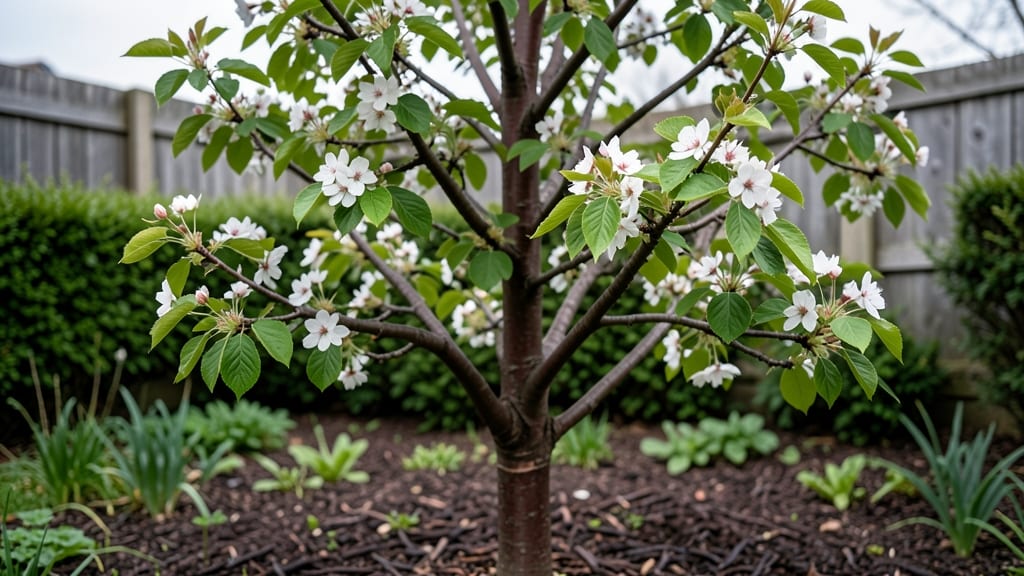
A cherry tree can fruit in as little as 2 years with the right variety and care, or drag on for a decade if you pick the wrong one.
If you're dreaming of fresh, homegrown cherries but impatient to wait years for your 🍒 tree to bear fruit, you're not alone—many gardeners rush this process. The good news?
Some fast-growing varieties produce fruit in just 2-5 years, while others need patience. Here's how to choose the right one and what to expect from planting to harvest.
Your cherry tree's fruiting timeline depends on three key factors: the variety you plant, your climate zone, and how well you care for it. Sweet cherries often take 4-6 years, while tart varieties can fruit in as little as 2 years.
In USDA Zone 6a, early spring planting gives your tree the best head start for that first harvest in late spring or early summer.
Below, I break down the fastest cherry tree varieties, year-by-year growth milestones, and proven tips to get fruit 20-50% faster. Whether you're working with a dwarf tree in a container or a standard variety in your backyard, these strategies will help you enjoy homegrown cherries sooner than you think.
Fastest cherry tree varieties that fruit in 2-5 years
If you're eager to pick fresh cherries from your backyard, choosing the right cherry tree variety is key. Some varieties can bear fruit in just 2-3 years, while others take much longer.
The fastest options include dwarf varieties, early-bearing sweet cherries, and tart cherries that thrive in cooler climates. Let’s explore the top picks and what you can expect from each.
For gardeners with limited space, dwarf cherry trees are ideal—they fruit faster and stay compact. Standard varieties may take 5-10 years to produce fruit, but with the right care, you can accelerate that timeline.
Below, I’ve compared the fastest options to help you decide which will work best for your garden.
If you’re in a hurry, Stella® and Lapins® are the fastest options, producing fruit in just 2-4 years. These dwarf sweet cherries are perfect for small gardens or containers. For cooler climates, Montmorency tart cherries are hardy and fruit reliably in 4-5 years.
Just remember, tart cherries are often used for cooking, while sweet cherries are best eaten fresh.
For standard-sized trees, Bing and Rainier are popular choices, but they take longer—5-8 years—to bear fruit. If you’re planting in a small space, dwarf varieties are the clear winner.
They also require less pruning, making them easier to maintain. Always check pollination requirements—some varieties need a second tree for fruit set.
To accelerate fruiting, plant in well-draining soil with plenty of organic matter. A balanced fertilizer in early spring and regular deep watering will encourage faster growth. Avoid over-fertilizing with nitrogen, as it can delay fruiting. Instead, focus on phosphorus and potassium to support fruit development.
Another pro tip: Choose a sunny location with at least 6-8 hours of sunlight daily. Cherry trees thrive in full sun, and proper light exposure speeds up maturation.
If you’re in a warmer climate, opt for varieties like Rainier, which handle heat better than others. For cooler areas, Montmorency is a reliable pick.
Pruning plays a crucial role in encouraging early fruiting. In the first year, focus on shaping the tree to promote a strong structure. In subsequent years, prune in late winter to remove dead or crossing branches. This improves airflow and reduces disease risk, helping your tree produce fruit faster.
Finally, be patient but proactive. While some trees fruit in 2-3 years, others may take longer due to climate or soil conditions. If your tree isn’t fruiting by year 4, check for pests, diseases, or nutrient deficiencies. Adjust your care
Year-by-year cherry tree growth & fruit development timeline
Understanding your cherry tree’s growth stages helps manage expectations and accelerate fruiting. From planting to harvest, each year brings critical milestones that determine whether your tree will bear fruit early or take years to mature.
The first 3 years are all about root and canopy establishment, while years 4-6 are when most varieties finally produce their first meaningful crop.
Climate, soil quality, and variety play starring roles in this timeline. A dwarf variety like Stella® might fruit in 2-3 years, while a standard sour cherry could take 6-10 years.
Poor soil or inconsistent watering can delay fruiting by 2-5 years, so let’s break down what to expect—and how to optimize—each year.
📅 Cherry Tree Growth & Fruiting Timeline
- 1 Year 1: Root establishment. Focus on deep watering and mulching to encourage root growth. No fruit—just trunk and branch development.
- 2 Year 2: Canopy expansion. Light pruning to shape the tree; apply balanced fertilizer in spring. Possible tiny flowers but rarely fruit—focus on tree health.
- 3 Year 3: First flowering likely appears. Prune to open the center for sunlight. Dwarf varieties may produce a few cherries; standard trees usually wait until Year 5-6.
- 4 Year 4-5: First harvest for most varieties! Expect small clusters of fruit. Thin fruit to improve size. Monitor for bird damage—use netting if needed.
- 5 Year 6+: Full production! Tree now supports heavy fruit loads. Prune annually to maintain shape and airflow. Sour cherries peak at Year 8-10.
Pro Tip: Cross-pollination is key! Plant two compatible varieties (e.g., Stella® + Lapins) for better fruit set. 🌱
Year 1 is all about root development, not fruit. Your cherry tree’s roots spread 2-3x wider than its canopy, so prioritize deep watering (1-2 inches per week) and mulch to retain moisture.
Avoid fertilizing—you’ll stunt root growth if you overdo it. Poor soil is the #1 reason trees fruit late, so test your soil’s pH (6.0-6.5 is ideal) and amend with compost if needed.
By Year 2, your tree’s trunk thickens and branches form. This is when you should prune for structure, removing any crossing branches or suckers at the base.
Lightly fertilize in early spring with a 10-10-10 blend to support growth. Dwarf varieties like Montmorency may show flower buds this year, but don’t expect fruit—let the tree focus on building energy.
Year 3 is when excitement builds! Your tree will flower for the first time, and some buds may even set tiny cherries. However, these are often aborted as the tree prioritizes growth.
If you see fruit, thin it aggressively to prevent overburdening young branches. This year, also train the main scaffold branches to create an open center for better airflow and sunlight penetration.
Most gardeners see their first meaningful harvest in Years 4-5, depending on the variety. Sweet cherries (like Bing) often fruit earlier than sour cherries (like Montmorency).
If your tree flowers but drops blossoms, it may need better pollination—plant a second variety nearby or hand-pollinate with a soft brush. Birds are the biggest threat this year, so use fruit netting once cherries start coloring.
Once your tree hits Year 6+, it’s in full production mode. You’ll need to prune annually to maintain health, removing dead wood and water sprouts. Thin fruit clusters to 6-8 cherries per cluster for larger, higher-quality fruit.
Watch for pests like aphids or diseases like brown rot, and treat early to protect your harvest. With proper care, a mature cherry tree can produce 50-100 lbs of fruit annually!