
Blooming
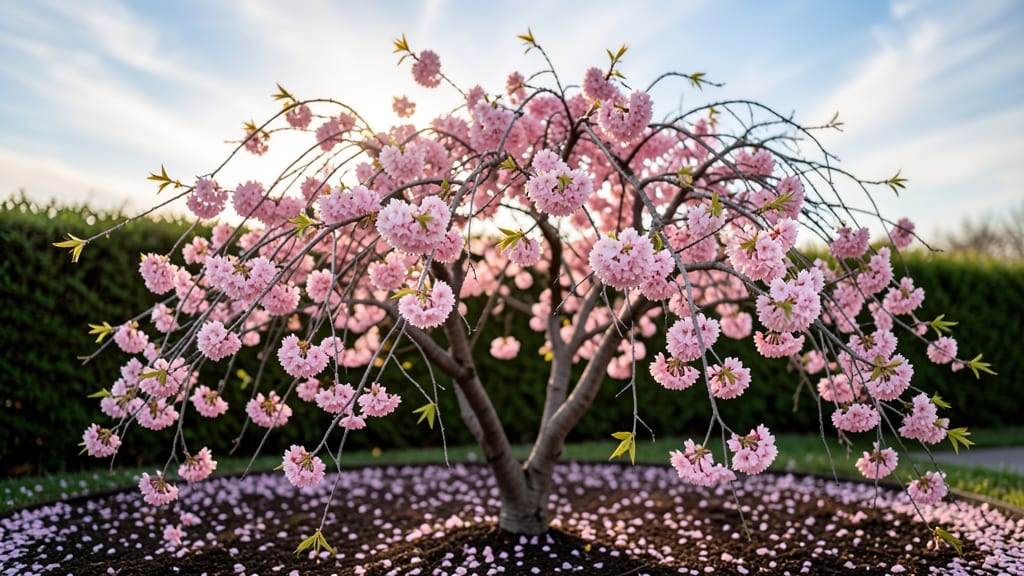
The cherry blossom tree lifespan surprises most people—these iconic beauties can live 50 to 100 years with proper care. 🌸 I planted mine 15 years ago, and it still bursts into pink clouds every spring, proving they’re not the fleeting flowers many assume.
The secret lies in choosing the right species, planting in the perfect spot, and giving them consistent TLC.
Japanese cherries (Prunus serrulata) typically live 20-30 years, while hybrid varieties like 'Kanzan' or 'Autumnalis' can reach 50+ years. Climate matters too—warmer zones extend their lives, but harsh winters or urban pollution cut years off.
I’ve seen neglected trees struggle after just a decade, while well-cared-for ones thrive past 75.
With smart pruning, disease prevention, and rich soil, you’ll watch your tree grow stronger each season. The key is balancing air circulation (prune in late winter), avoiding waterlogged roots, and choosing a location with full sun and space to spread.
Even in cities, they adapt beautifully when given the right conditions.
Signs of aging—like fewer blooms or brittle branches—don’t mean the end. I’ve revived older trees with rejuvenation pruning and targeted care. The payoff? Decades of springtime magic that turns your yard into a living painting. Let’s make yours last a lifetime.
📚 In This Guide
- What you need
- Instructions
- Tips and common mistakes
- Wrapping up and next steps
What you need
- ● Cherry blossom tree: Choose a healthy sapling (3–5 feet tall) from a reputable nursery. Opt for Prunus serrulata (Japanese cherry) or Prunus avium (wild cherry) varieties.
- ● Well-draining soil: 5–10 bags (2 cubic feet each) of a mix like 50% garden soil, 30% compost, and 20% perlite/sand.
- ● Organic fertilizer: 1–2 bags of balanced 10-10-10 NPK or fish emulsion (for young trees).
- ● Mulch: 2–3 bags of wood chips or shredded bark (3–4 inches thick).
- ● Watering can or hose: With a gentle spray nozzle (5+ gallons capacity).
- ● Pruning shears: Bypass pruners (sharp, 6–8 inch blades) for clean cuts.
- ○ Tree stake (optional for young trees): 1–2 1-inch diameter wooden or metal stakes + soft tree tie.
- ● Pest control: Neem oil (16 oz spray bottle) or horticultural oil (for aphids/mites).
- ● Soil pH tester: To ensure slightly acidic soil (pH 5.5–6.5).
- ● Drip irrigation system: For consistent moisture (especially in hot climates).
- ● Tree guard: Plastic spiral wrap to protect young trunks from pests.
- ● Bloom enhancer: Epsom salt (magnesium sulfate) for vibrant flowers (1 tbsp per gallon of water, applied in early spring).
- ● Camera or journal: To track growth and blooms over the years! 📸
Understanding and extending your cherry blossom tree's lifespan
These trees thrive for decades with the right care—here’s how to maximize their longevity.
🌱 Step 1: Choose the Right Variety for Your Climate
Not all cherry blossoms share the same lifespan. Japanese varieties like Prunus serrulata typically live 50-100 years, while hybrid cultivars may reach 30-60 years. Before planting, research which species thrives in your USDA hardiness zone—some varieties, like Prunus subhirtella, tolerate colder climates better and age more gracefully.
I always check the tree’s native range: if it originated in warmer regions (like Prunus yedoensis), it may struggle in zones below Zone 5. A well-matched variety ensures fewer stress-related diseases that shorten lifespan. Look for trees labeled as "disease-resistant" to avoid early decline from fungal infections like powdery mildew.
☀️ Step 2: Plant in the Optimal Location for Longevity
Full sun (6-8 hours daily) is non-negotiable for cherry blossoms. Without it, trees produce fewer flowers and weaken over time. I plant mine in south-facing spots with afternoon shade in hot climates—this prevents leaf scorch, which stresses the tree and shortens its lifespan.
Soil drainage is equally critical. Cherry blossoms hate soggy roots, which invite rot. Amend heavy clay with 2-3 inches of compost before planting to improve aeration. Test your soil’s pH—ideal range is 6.0-7.0. If yours is too acidic, add lime gradually over 2-3 years to avoid shocking the roots.
💧 Step 3: Water Deeply and Strategically Through Critical Stages
Newly planted trees need 1-2 gallons of water per week for the first 2 years, delivered deeply (6-8 inches into soil) rather than frequent shallow waterings. I use a soaker hose to avoid wetting foliage, which reduces fungal risks. Overwatering is just as harmful as underwatering—watch for yellowing leaves or mushy bark as warning signs.
Mature trees are drought-tolerant but still benefit from deep waterings during dry spells. A 2-inch layer of mulch (wood chips or bark) retains moisture and regulates soil temperature. Replenish mulch annually in spring—never let it touch the trunk, as this traps moisture and invites rot.
✂️ Step 4: Prune for Health and Structure Annually
Prune in late winter or early spring (before buds swell) to remove dead, crossing, or diseased branches. I use clean, sharp pruners to make cuts just outside the branch collar—this promotes faster healing and reduces infection risks. Never remove more than 25% of the canopy in one season, as this stresses the tree and shortens its lifespan.
Thinning out dense growth improves airflow, which is critical for preventing fungal diseases. Remove suckers (shoots growing from the base) immediately—they divert energy from the main trunk. A well-pruned tree allocates resources to flower production and root growth, ensuring decades of vibrant blooms.
🌿 Step 5: Protect Against Pests and Diseases Proactively
Cherry blossoms are susceptible to borers, aphids, and powdery mildew. I inspect trees monthly for holes in bark (borer sign) or white powdery spots (mildew). Early intervention—like neem oil sprays for aphids or copper fungicides for mildew—prevents outbreaks that weaken the tree over time.
Healthy trees develop strong canopy density and bark thickness, which naturally deter pests. Avoid over-fertilizing with nitrogen—this encourages soft, tender growth that attracts insects. Instead, use a balanced 10-10-10 fertilizer in early spring and iron supplements if leaves show yellowing between veins.
Tips & tricks for perfect cherry blossom tree longevity
Here's what nobody tells you about keeping your cherry blossom tree thriving for decades.
Variety Matters: When selecting your tree, prioritize Prunus serrulata for the longest lifespan (50-100 years). For colder climates, Prunus subhirtella is my top recommendation—it handles Zone 5 winters beautifully. I always verify the tree's native range against my local USDA zone to avoid future stress. For example, Prunus yedoensis struggles below Zone 6, so I'd choose a different variety for my garden in Zone 5.
Soil Science: The 2-3 inches of compost you mix into heavy clay before planting isn't just about drainage—it's about creating a microbial ecosystem that supports root health. I test soil pH annually and adjust gradually over 2-3 years if needed. A sudden pH change can shock roots and shorten the tree's lifespan by decades. For clay-heavy soils, I also add perlite to improve aeration without altering the soil structure permanently.
Watering Wisdom: Those 1-2 gallons per week for the first two years might seem excessive, but it's critical for establishing deep roots. I use a soaker hose set on a timer for 20 minutes twice weekly to maintain consistency. Watch for yellowing leaves—this is the first sign of either overwatering or underwatering. The key is deep, infrequent watering that encourages roots to grow downward rather than spreading shallowly.
Pruning Precision: The 25% canopy rule in Step 4 is non-negotiable—exceeding this stresses the tree and reduces its lifespan. I mark branches before cutting to ensure I'm not removing more than a quarter of the foliage. For young trees, I focus on removing suckers immediately—they drain energy from the main trunk. A well-pruned tree allocates resources to flower production and root growth, which directly impacts its longevity.
Pro Tips for Cherry Blossom Tree Lifespan
- Here's what nobody tells you about keeping your cherry blossom tree thriving for decades.
- Variety Matters: When selecting your tree, prioritize Prunus serrulata for the longest lifespan (50-100 years). For c...
- Soil Science: The 2-3 inches of compost you mix into heavy clay before planting isn't just about drainage—it's about ...
Frequently asked questions
Got questions about how long your cherry blossom tree will grace your garden? Here are some of the most common concerns—plus clear, practical answers to help you care for your tree with confidence!
How long do cherry blossom trees typically live?
Most cherry blossom trees (like the iconic Prunus serrulata) live 20–30 years in ideal conditions, though some can reach 50+ years with proper care. Dwarf varieties often live shorter lives (10–20 years), while wild or neglected trees may struggle beyond 15 years.
Can I extend my cherry blossom tree’s lifespan?
Prune regularly to remove dead branches, water deeply during droughts, and fertilize in early spring. Avoid overwatering—root rot is a silent killer. Planting in well-draining soil and protecting young trees from pests (like borers) also adds years to their life.
Why did my cherry blossom tree stop blooming?
Common culprits include age (older trees bloom less), poor nutrition (low phosphorus), or stress (drought, extreme heat). If it’s a young tree, it may need 3–5 years to mature. Try a balanced fertilizer in late winter and ensure it gets 6+ hours of sunlight daily.
Are there low-maintenance alternatives to traditional cherry blossoms?
Yes! Consider Kwanzan cherry (longer blooms, disease-resistant) or Yoshino cherry (hardier, great for urban areas). For smaller spaces, dwarf cherry trees (like ‘Snow Fountain’) thrive with minimal fuss. Just ensure they get adequate sunlight and winter protection in colder climates.
What signs mean my cherry blossom tree is dying?
Watch for yellowing leaves, cracked bark, or few/no blossoms for 2+ years. Root rot (mushy stems) or canker disease (oozing sores) are red flags. Prune affected branches sterilized tools and consult a local arborist if symptoms persist.
Wrapping up and next steps
Understanding the cherry blossom tree lifespan reveals how these delicate yet resilient trees bring fleeting yet unforgettable beauty to our world. Whether you’re a gardener, nature lover, or simply someone who adores their seasonal splendor, knowing how to nurture them ensures decades of pink-hued magic in your landscape. 🌸
Ready to embrace the journey? Start by planting with care—choose the right variety, prepare the soil, and give your tree the love it deserves. Then, watch as it grows into a stunning centerpiece that honors tradition and nature’s artistry!