
Pruning
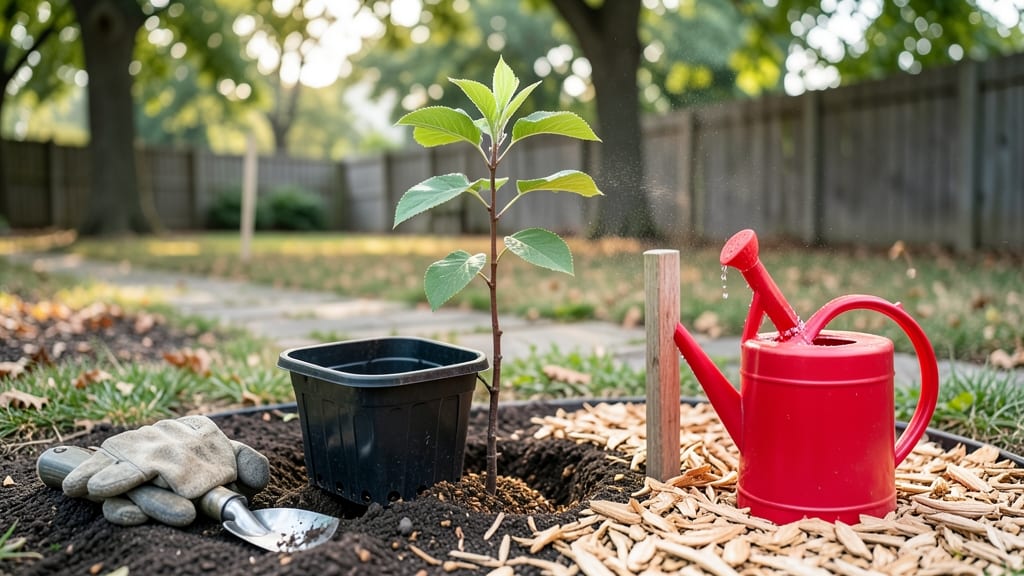
Growing an apple tree seedling with proper care means you're planting a future orchard in your backyard. 🌱 The key to cold-hardy saplings starts with the right soil, sunlight, and protection—mistakes here mean years of frustration, but get it right and you'll watch those first blossoms appear in just three seasons.
I learned the hard way that seedlings need moist but not soggy soil and full sun (at least 6 hours daily) to establish strong roots before winter. The first year is all about nurturing, not harvesting—think of it like raising a toddler, not a prize-winning tree.
A 5-gallon container with well-draining mix works perfectly for the first season, and mulching in fall keeps roots protected from freezing. By spring of their second year, you'll see vigorous new growth and the first signs of branching.
That's when pruning begins—cutting back one-third of the tallest stems encourages bushier growth and stronger structure. The payoff? A tree that thrives through your zone's winters and produces fruit in 5-7 years instead of the 10+ years store-bought trees take.
This method works for any cold-hardy variety, from classic Granny Smith to heirloom varieties. The secret is patience—apple trees grow slowly, but with the right care, they'll outlast you and your grandchildren. Let's get those seedlings off to the best start possible.
📚 In This Guide
- What you need
- Instructions
- Tips and common mistakes
- Wrapping up and next steps
What you need
- ● Apple tree seedling (1–3 saplings, depending on space and variety; choose cold-hardy cultivars like 'Liberty,' 'Honeycrisp,' or 'McIntosh' for resilience).
- ● Well-draining potting mix (5–10 gallons, depending on pot size; avoid garden soil—it can compact and suffocate roots).
- ● Garden pots or containers (1–2 per seedling; minimum 5-gallon size for the first year, with drainage holes).
- ● Pruning shears (sharp, bypass-style for clean cuts; sterilize with rubbing alcohol between uses).
- ● Organic mulch (2–3 inches of wood chips, straw, or shredded leaves to retain moisture and regulate soil temperature).
- ● Slow-release fertilizer (balanced 10-10-10 or organic options like composted manure; 1–2 tablespoons per seedling).
- ● Watering can or hose with a gentle spray nozzle (avoid overhead watering to prevent fungal diseases).
- ● Garden twine or stakes (for support if needed; 4–6 feet tall for young saplings).
- ● Root stimulator (like mycorrhizal fungi or seaweed extract to boost early growth).
- ● Soil moisture meter (to monitor watering needs—keep soil consistently moist but not soggy).
- ● Frost cloth or row covers (for early spring/fall protection in cold climates).
- ○ Pruning sealant (optional for large cuts to prevent disease).
- ● Garden journal (to track growth, pruning dates, and fertilizer applications).
Step-by-step apple tree seedling care for cold-climate success
Cold-hardy apple trees start with the right early care—here’s how to give your saplings the strong foundation they need to thrive.
🌱 Step 1: Plant at the Right Depth and Water Deeply
Dig a hole twice as wide as the root ball but no deeper—apple seedlings hate having their roots buried too low. The top of the root ball should sit just above ground level to prevent rot. Gently loosen the roots if they’re circling tightly in the container, then place the seedling in the hole.
Fill the hole with native soil, pressing lightly to remove air pockets but not compacting too firmly. Water deeply until the soil is moist 6-8 inches down—this encourages roots to grow downward for stability. Mulch around the base (but not touching the trunk) with 2-3 inches of organic mulch to retain moisture and regulate soil temperature.
☀️ Step 2: Provide Full Sun and Gradual Wind Exposure
Apple trees need 6-8 hours of direct sun daily, but young seedlings can’t handle sudden full exposure. Start them in a sheltered spot for the first 2-3 weeks, then slowly move them to sunnier locations. Watch for leggy growth (thin, stretched stems)—this means they’re reaching for light and need more intensity.
In cold climates, avoid planting in low spots where frost lingers. A slight elevation improves drainage and airflow, reducing disease risk. If your area gets strong winds, stake the seedling early to prevent uprooting—apple trees grow tall fast.
💧 Step 3: Water Consistently Without Overdoing It
Water once a week during the first growing season, but adjust based on rainfall. The soil should dry out 2-3 inches deep between waterings—stick your finger in to check. Overwatering suffocates roots, while underwatering stresses the tree. You’ll know it’s right when the mulch stays slightly damp but not soggy.
Deep watering (soaking the soil 12 inches down) every 7-10 days is better than frequent shallow watering. This trains roots to grow deep, making the tree more drought-resistant. Avoid wetting the leaves to prevent fungal issues like apple scab.
✂️ Step 4: Prune for Strong Structure in Early Growth
Skip pruning the first year unless you see dead, crossing, or weak branches. In early spring, remove any branches growing straight upward (called "water sprouts")—they compete with the main structure. Use clean, sharp pruners to cut just above a leaf bud or lateral branch.
By the second year, shape the tree into an open-center form (like a vase) to improve airflow and fruit production. Never prune more than 25% of the tree’s foliage in one season—this stresses young seedlings. Seal larger cuts with pruning sealant to prevent disease entry.
⏰ Step 5: Prepare for Winter with Mulch and Protection
Before the first hard frost, add an extra 4-6 inches of mulch around the base to insulate roots. Wrap the trunk in tree guard or burlap to protect against rodent gnawing and winter sunburn. In extremely cold zones, mound soil or mulch 6-12 inches high around the base for extra insulation.
Young apple trees can handle down to -20°F if properly prepared, but avoid planting in microclimates where frost pockets linger. Next spring, remove winter wraps and mulch gradually to prevent sudden temperature shock.
Tips & tricks for perfect apple tree seedling care
Between us, the first few years determine whether your apple tree becomes a sturdy, fruit-bearing giant or a sad memory. These details make all the difference.
Root Ball Position: When planting, the top of the root ball should sit just above ground level—never buried. I learned this the hard way after seeing seedlings develop crown rot from being planted too deep. The rule of thumb is to match the soil line from the container with your garden's surface. This prevents suffocation and encourages strong root growth downward.
Sunlight Transition: Those first 2-3 weeks in partial shade are critical. I've seen seedlings go from healthy to leggy in days when moved too quickly to full sun. Gradually increase exposure by 1-2 hours daily until they reach their 6-8 hours of direct sunlight. Think of it like sunbathing—you wouldn't go from zero to full sun exposure either!
Watering Depth Strategy: The real secret isn't how often you water, but how deep. Those 12 inches of deep watering every 7-10 days create roots that dive deep for stability. I use a long screwdriver to check moisture—if it comes out dry at 12 inches, it's time to water. This prevents shallow root systems that dry out quickly in summer heat.
Winter Protection Layers: That extra 4-6 inches of mulch before winter isn't just decoration—it's insulation. I've seen trees survive -20°F winters with proper protection, but those with insufficient mulching often suffer frost damage. Add the mulch after the first hard frost when soil temperatures drop below 40°F for consistent results.
Pro Tips for Apple Tree Seedling Care
- Between us, the first few years determine whether your apple tree becomes a sturdy, fruit-bearing giant or a sad memo...
- Root Ball Position: When planting, the top of the root ball should sit just above ground level—never buried. I learne...
- Sunlight Transition: Those first 2-3 weeks in partial shade are critical. I've seen seedlings go from healthy to legg...
Frequently asked questions
Got questions about nurturing your apple tree seedling?
You’re not alone! Here are answers to the most common concerns—from timing to troubleshooting—to keep your young sapling on the path to fruit-bearing greatness.
How long does it take for an apple tree seedling to bear fruit?
Patience is key! Most apple tree seedlings grown from seed (not grafts) take 5 to 10 years to bear fruit—if they do at all. Grafted seedlings (like those from nurseries) may fruit in 3 to 5 years. Choose a grafted variety for faster rewards!
Can I plant my apple tree seedling in winter?
While bare-root seedlings can handle winter planting (as long as the ground isn’t frozen), spring or early fall is ideal. If planting in winter, mulch heavily (6–8 inches) to protect roots from freezing. Avoid extreme cold snaps—your sapling’s tender roots need time to establish!
Why are my seedling’s leaves turning yellow?
Yellow leaves often signal overwatering, underwatering, or nutrient deficiencies. Check soil moisture—it should stay consistently damp but not soggy. Test pH (ideal: 6.0–7.0) and amend with compost if needed. Fungal issues? Prune affected leaves and improve airflow.
Are apple tree seedlings prone to pests early on?
Yes! Watch for aphids, spider mites, and borers—especially if your seedling is stressed. Spray with neem oil or insecticidal soap for mild infestations. Encourage beneficial insects (like ladybugs) and keep the area weed-free to deter pests.
Can I grow an apple tree from a store-bought apple seed?
Technically yes, but expect unpredictable results. Seed-grown trees may not match the parent fruit’s taste, size, or cold hardiness. For reliable varieties, opt for grafted seedlings from nurseries. Save seeds for fun experiments—just don’t expect orchard-quality apples!
Wrapping up and next steps
Caring for your apple tree seedling is a rewarding journey that sets the stage for years of luscious harvests! With the right soil, sunlight, pruning, and protection, your sapling will grow strong and resilient.
Remember, patience and consistency are key—your hard work today will pay off with a thriving tree tomorrow.
Now that you’re armed with these cold-hardy growth hacks, it’s time to roll up your sleeves! Start by inspecting your seedling’s progress and adjust care as needed.
Whether it’s reinforcing supports, refining pruning techniques, or preparing for winter, your next step is to monitor and nurture—your future orchard awaits! 🌱✨