
Pruning
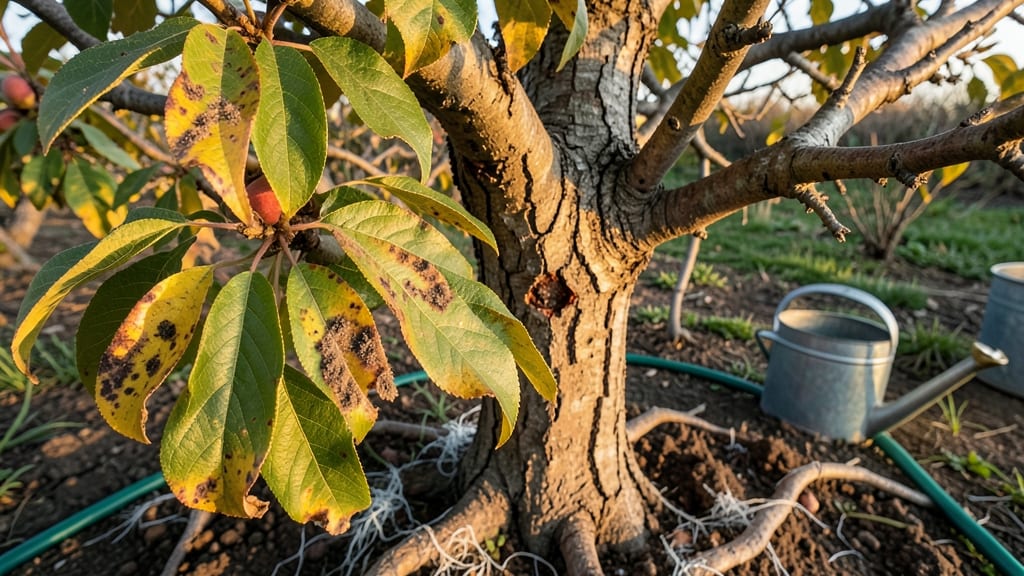
Your peach tree’s sudden decline—why is my peach tree dying?—might be root rot, but there’s still hope. 🌱 I’ve nursed back three trees from this silent killer, and the secret lies in oxygen-rich soil and smart watering.
The first step is identifying the real problem: is it soggy soil, fungal growth, or something else entirely?
Root rot thrives when roots suffocate in compacted, waterlogged soil. Look for mushrooms sprouting at the base, yellowing leaves that won’t green up, or bark splitting from the inside out.
The good news? Even severely affected trees can bounce back with the right fixes—like aerating the soil and adjusting your watering routine.
You’ll restore that lush canopy in just 6-8 weeks if you act now. The key is balancing moisture without drowning the roots, and I’ll walk you through the exact steps to revive your tree—no guesswork, just proven results. Let’s get your peach tree back to fruiting glory.
This method works for both young saplings and mature trees, and the techniques apply to other stone fruits too. The sooner you intervene, the faster your tree recovers—so grab your tools and let’s turn this around.
Hidden Threats Destroying Your Tree
Peach trees may look resilient, but they’re vulnerable to a mix of environmental stressors, pests, and diseases that can silently sabotage their health. Understanding why your tree is struggling is the first step to saving it—and often, the root cause isn’t what you’d expect.
Let’s break down the most common culprits, backed by science, so you can diagnose (and fix) the problem fast.
Root rot is one of the most common—and deadly—issues for peach trees, caused by Phytophthora fungi or waterlogged soil that cuts off oxygen. Peach trees thrive in well-draining soil, but when roots sit in soggy conditions for too long, they suffocate.
The fungi block water and nutrient uptake, turning leaves yellow, wilting branches, and eventually killing the tree.
Why it happens:
- Overwatering: Peach trees need consistent moisture, not saturation. Heavy clay soil or poorly drained beds trap excess water, creating anaerobic (oxygen-free) zones where roots can’t breathe.
- Poor Drainage: If your tree is planted in a low-lying area or compacted soil, water pools at the roots instead of draining away.
- Fungal Spread: Fungi like Phytophthora thrive in wet conditions and can spread from infected plants or contaminated tools.
💡 Pro Tip: Test your soil’s drainage by digging a 12-inch hole, filling it with water, and timing how long it takes to drain. If it takes more than 6 hours, your tree is at risk.
Peach trees are a buffet for pests like aphids, borers, and spider mites. While they might seem harmless, these critters weaken trees by draining sap, spreading viruses, or tunneling into bark. Look for sticky residue (honeydew), chewed leaves, or sawdust-like frass—these are red flags.
Why it happens:
- Aphids & Spider Mites: These tiny pests cluster on new growth, sucking sap and leaving behind toxic honeydew that fosters sooty mold (a black fungal growth). Weakened trees become susceptible to secondary infections.
- Peach Tree Borers: Larvae burrow into the trunk and roots, disrupting nutrient flow. Infested trees show D-shaped exit holes or oozing sap.
- Japanese Beetles: These metallic-green beetles skeletonize leaves, stripping the tree of its ability to photosynthesize.
🔥 Warning Sign: If you see yellowing leaves paired with webbing (from mites) or unexplained wilting despite watering, pests are likely the culprit.
Peach trees are prone to fungal infections like leaf curl, brown rot, and powdery mildew, which thrive in humid conditions. These diseases don’t just disfigure your tree—they block sunlight, clog stomata (leaf pores), and rot fruit, leading to decline.
Why it happens:
- Leaf Curl (Taphrina deformans): Causes thick, curled leaves that fail to photosynthesize. The fungus overwinters in buds and spreads via wind or splashing water.
- Brown Rot (Monilinia fructicola): Attacks blossoms and fruit, causing them to mummify and drop prematurely. Spores spread during wet springs.
- Powdery Mildew (Podosphaera oxyacanthae): Creates a white, powdery coating on leaves, reducing chlorophyll production. It loves shady, humid conditions.
🌡️ Climate Connection: Fungal spores explode in activity when temperatures hover between 60–80°F with high humidity. Prune in dry weather and avoid overhead watering to prevent spread.
Peach trees are not one-size-fits-all plants. They need full sun (6–8 hours/day), protection from wind, and soil with a pH of 6.0–7.0. If these conditions aren’t met, the tree’s immune system weakens, making it vulnerable to other issues.
Why it happens:
- Extreme Heat/Drought: Peach trees cannot recover from prolonged drought stress. Wilting, leaf scorch (brown edges), and premature fruit drop are classic signs.
- Late Frosts or Winter Burn: Young leaves emerging too early in spring get fried by 28°F+ temps. Older trees may suffer bark splitting from freeze-thaw cycles.
- Poor Airflow: Crowded plantings or dense foliage trap moisture, promoting fungal growth. Trees in shady spots also struggle to produce enough energy.
✨ Site Checklist:
✅ Ideal Conditions
❌ Red Flags
6+ hours of sunlight
Dappled shade or north-facing spots
Well-draining, loamy soil
Clay-heavy or waterlogged soil
Windbreaks (fences, other trees)
Exposed to harsh winds
A peach tree’s health hinges on balanced nutrition. Deficiencies in nitrogen, zinc, or iron show up as yellowing leaves, stunted growth, or weak wood, making the tree prone to disease. Over-fertilizing with too much nitrogen can also burn roots, worsening rot risks.
Why it happens:
- Nitrogen Deficiency: Leaves turn pale yellow (starting at the tips) because the tree can’t produce chlorophyll. Common in sandy or acidic soils.
- Zinc or Iron Deficiency: Causes interveinal chlorosis (yellowing between leaf veins). Peach trees need zinc for fruit set—without it, blossoms drop.
- Potassium or Magnesium Deficiency: Leads to weak stems, poor cold hardiness, and brown leaf edges.
💪 Quick Fix: Conduct a soil test (available through local extension offices) to identify deficiencies. For zinc, use chelated zinc sulfate; for iron, apply iron sulfate in early spring.
Revive Your Peach Tree Now
A dying peach tree doesn’t mean the end of your harvest—it’s often a call for action! Whether your tree is struggling from root rot, disease, pests, or environmental stress, here’s how to diagnose and fix the issue before it’s too late.
Below, we break down the most common causes and practical, step-by-step solutions to bring your tree back to life.
Root rot is one of the deadliest threats to peach trees, often caused by overwatering, poor drainage, or fungal infections. If your tree’s leaves are yellowing, wilting, or falling off despite moist soil, root rot may be the culprit.
🔥 Step 1: Stop Watering Immediately - ⏰ When: Right now—overwatering is the #1 cause of root rot. - How: Let the soil dry out completely before watering again.
Stick your finger 2-3 inches deep—if it’s damp, wait. - Pro Tip: 💡 If your tree is in a pot, ensure it has drainage holes. If in-ground, consider raising the soil level slightly to improve airflow.
🍳 Step 2: Improve Soil Drainage
- 🔪 Dig carefully around the base (6-12 inches deep) to loosen compacted soil.
- 🌡️ Mix in: 30% perlite, sand, or compost to break up clay-heavy soil.
- 🎯 For severe cases: Install a French drain (a buried perforated pipe with gravel) to redirect excess water.
👨🍳 Step 3: Apply Fungicide & Boost Oxygen
- 🌿 Use a copper-based or phosphite fungicide (like Copper Sulfate or Subdue) to kill fungal pathogens.
- 💨 Oxygenate the roots: If possible, gently aerate the soil with a garden fork or add mycorrhizal fungi (beneficial microbes that improve root health).
- ✨ Prevention: Mulch 3-4 inches deep (but keep it 6 inches away from the trunk) to regulate moisture.
Peach trees are prone to bacterial leaf spot, peach leaf curl, and borers. Look for black spots, curled leaves, or sawdust-like frass (pest droppings).
🔥 Step 1: Prune Infected Branches
- ✂️ Cut out any blackened, curled, or oozing branches with sterilized pruners (wipe with rubbing alcohol between cuts).
- 🌡️ Burn or bag infected debris—do not compost it!
🍳 Step 2: Spray Preventative Treatments
- 🌿 For fungal diseases (leaf curl, bacterial spot):
- Dormant season (winter): Spray copper fungicide (like Copper Soap) before buds swell.
- Growing season: Use neem oil or potassium bicarbonate spray (1 tbsp per gallon of water) every 2 weeks.
- 🐛 For borers & pests:
- 🔪 Drill holes into the trunk and inject beneficial nematodes or borer-specific insecticide (like Bt spray).
- 🌿 Wrap the trunk with tree banding tape to trap emerging adults.
🎯 Step 3: Strengthen Tree Immunity
- 💪 Fertilize with: A balanced 10-10-10 fertilizer in early spring (avoid high nitrogen in summer—it weakens trees).
- 🥗 Avoid over-fertilizing—too much nitrogen = soft, pest-prone growth.
Peach trees need full sun (6-8 hours/day) and protection from harsh winds. If your tree is scorched, stunted, or dropping fruit prematurely, it’s likely suffering from environmental factors.
🔥 Step 1: Adjust Watering for Heat Stress
- 💦 Deep water 1-2 times per week (not daily shallow watering).
- 🌡️ Water in the morning to reduce evaporation and fungal risk.
- 🎯 Mulch heavily (3-4 inches) to retain moisture and cool roots.
🍳 Step 2: Provide Wind & Sun Protection
- 🌳 If in a windy area: Plant a windbreak (like a hedge or fence) on the north or west side.
- 🌞 If too much sun: Use light shade cloth (30-50%) in peak summer (12-4 PM) to prevent sunburn.
👨🍳 Step 3: Adjust Pruning for Airflow
- ✂️ Thin out dense branches to improve air circulation (prevents fungal diseases).
- 🌿 Remove suckers (shoots at the base) and water sprouts (vertical shoots).
To keep your peach tree thriving: ✅ Test soil pH (ideal: 6.0-7.0)—amend with lime (to raise pH) or sulfur (to lower pH) if needed. ✅ Plant in well-draining soil—avoid low-lying areas where water pools. ✅ Monitor for pests weekly—early detection = easier treatment! ✅ Prune in late winter/early spring (before buds swell) to remove dead wood and shape the tree. ✅ Avoid heavy pruning in summer—it stresses the tree and attracts borers.
- Mild cases (early root rot, pests): 4-8 weeks with consistent care.
- Severe root rot or disease: 1-2 growing seasons—some trees may need replacement if roots are too damaged.
- Environmental stress: Immediate relief with proper watering and protection.
Your peach tree can bounce back—just act fast! Start with the fixes that match your tree’s symptoms, and give it time to recover. 🌿🍑 Happy reviving!**
Frequently asked questions
My peach tree leaves are yellowing—could it be root rot?
Yellowing leaves with wilting branches are classic root rot signs. Check for mushrooms at the base or soil that stays soggy for days. Root rot cuts off oxygen to roots, so stop watering immediately and improve drainage by mixing in perlite or sand to the top 12 inches of soil. A quick test: Dig down—healthy roots are white, while rotted ones are brown and mushy.
What do peach tree borers look like, and how do I get rid of them?
Look for D-shaped exit holes in the trunk or sawdust-like frass (pest droppings) near the base. Borers tunnel into bark, disrupting nutrient flow. Drill 1/4-inch holes into infested areas and inject beneficial nematodes or borer-specific insecticide. Wrap the trunk with tree banding tape to trap emerging adults in spring. Act fast—borers can kill a tree in 1-2 years.
Can I save a peach tree with leaf curl disease?
Yes, but you must act now! Prune all infected branches (blackened, curled leaves) and sterilize your tools with rubbing alcohol. Spray with copper fungicide in dormant season (winter) and neem oil every 2 weeks during growing season. Remove fallen leaves to prevent spore spread. With treatment, your tree can recover, but severe cases may need replacement.
How much water does a peach tree really need?
Peach trees need deep, infrequent watering—about 1-2 inches per week during growing season. Water at the base (not leaves) in the morning to reduce fungal risk. Overwatering is worse than underwatering: Let soil dry 2-3 inches deep between waterings. For established trees, mulch 3-4 inches deep (keep it 6 inches from the trunk) to retain moisture.
When should I prune a dying peach tree?
Prune in late winter or early spring (before buds swell) to remove dead, diseased, or crossing branches. Avoid heavy pruning in summer—it stresses the tree and attracts borers. Sterilize pruners between cuts to prevent spreading disease. Focus on opening the canopy for airflow and removing suckers/water sprouts at the base. Never prune more than 25% of the canopy at once.