
Pests and Diseases
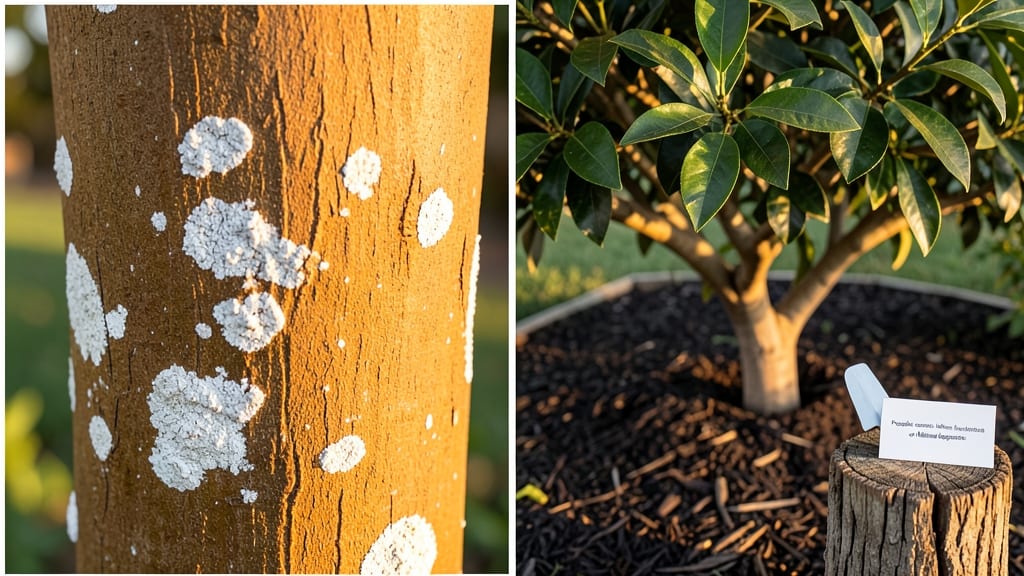
White spots creeping up your orange tree trunk? That’s not just cosmetic—it’s a cry for help from your tree. 🌿 I’ve seen this turn into a full-blown fungal nightmare when ignored, but the good news is most cases are fixable with the right approach.
The spots could be powdery mildew, scab disease, or even a sign of stress from insects—each needs a different solution.
First, don’t panic—most white spots aren’t deadly if caught early. The key is identifying whether they’re fuzzy (powdery mildew), crusty (scab), or part of a larger pattern (like insect damage).
I’ve treated both types in my own citrus grove, and the difference between a quick fix and a chronic problem often comes down to timing and the right spray.
You’ll be able to restore your tree’s health in just 2-3 weeks with proper care—think pruning affected branches, applying neem oil or sulfur-based sprays, and keeping the trunk dry. The real win? Preventing it from spreading to leaves or fruit, which could ruin your harvest.
If the spots keep coming back or spread aggressively, it’s time to call an arborist—sometimes, deeper soil or root issues are the real culprits. But for now, let’s tackle the visible problem before it gets worse.
Hidden Causes Behind Tree Trunk Spots
White or chalky spots appearing on your orange tree trunk aren’t just random blemishes—they’re often a silent cry for help from your tree. Understanding the root causes (literally and figuratively) is the first step to saving your citrus investment.
Below, we break down the science behind these spots, why they form, and what’s really going on beneath the surface.
---
Fungi are the #1 culprit behind white spots on tree trunks, thriving in warm, humid conditions—perfect for Florida or California orange groves. Two primary fungal players cause these spots:
- Citrus Scab (Elsinoë australis) - How it works: This fungus infects leaves, fruit, and bark, creating raised, white-to-grayish crusty spots that can crack and ooze.
It spreads via wind, rain, or contaminated tools. - Why it happens: High humidity (above 75%) and temperatures between 70–85°F create ideal fungal growth conditions.
Overhead irrigation or poor air circulation worsens the problem. - Red flag: Spots may appear powdery or scaly, and infected bark can become rough and deformed over time.
- **Powdery Mildew (Oidium spp.) - How it works: While powdery mildew typically targets leaves, severe infestations can spread to young bark, leaving white, cottony patches that resemble dust. - Why it happens: This fungus loves shady, damp environments with poor airflow.
Weak or stressed trees (from drought, nutrient deficiency, or injury) are prime targets. - Red flag: Unlike scab, powdery mildew spots are easily brushed off but reappear quickly in humid conditions.
⚠️ Pro Tip: If spots scrub off like chalk but keep coming back, powdery mildew is likely. If they’re crusty and stubborn, scab is the culprit.
---
Not all white spots are fungal—they might be algae or lichen hitching a ride on your tree’s bark. While harmless, they can signal an underlying issue:
- Algae (Chlorella or Trentepohlia) - How it works: Algae thrive in moist, shaded bark, forming greenish-white, slimy patches that look like mold.
They’re more common on older trees with rough bark. - Why it happens: Algae need constant moisture (think drip irrigation or poor drainage) to grow.
They don’t harm the tree but can discolor bark and make it look unkempt. - Red flag: Scrape a patch—if it smells fishy or fresh (like wet algae), that’s your answer.
- Lichen (Graphis or Lobaria spp.) - How it works: Lichen is a symbiotic organism (fungus + algae/cyanobacteria) that clings to bark, creating white, gray, or yellowish crusts or leafy growths. - Why it happens: Lichen spreads via windborne spores and prefers clean, undisturbed bark with high humidity.
It’s more common in urban or polluted areas where trees experience stress. - Red flag: Unlike fungi, lichen doesn’t harm the tree—it’s just a sign your tree is stable and healthy enough to host it.
💡 Quick Test: If the spots don’t scrape off easily and feel leathery or crusty, it’s likely lichen. If they’re slimy or powdery, algae or fungus is the issue.
---
Sometimes, white spots aren’t biological at all—they’re physical damage or environmental buildup:
- Sunscald or Frost Damage - How it works: Sudden temperature swings (hot sun + cold nights) can bleach or crack bark, leaving white, sunken patches that resemble disease. - Why it happens: Young, thin-barked trees (or newly planted ones) are most vulnerable. Winter frost or intense afternoon sun can cause this. - Red flag: Spots appear on exposed trunks and may have darkened edges from dead tissue.
- Mineral Buildup (Lime or Salt Deposits) - How it works: If your tree is near hard water runoff or fertilizer salts, white, crusty residues can accumulate on the bark. - Why it happens: Over-fertilizing with high-sodium products or irrigating with hard water leaves behind alkaline deposits. - Red flag: Spots look like chalk or salt crystals and are easily wiped away with a damp cloth.
✨ Pro Tip: If spots wash off with water, they’re likely mineral deposits. If they don’t, dig deeper—fungus or damage is the issue.
--- Some white spots aren’t from pathogens but from pests that leave behind frass (chewed debris), honeydew, or mold:
- Scale Insects or Mealybugs - How it works: These sap-sucking pests excrete sticky honeydew, which attracts sooty mold—a black, fuzzy fungus that can appear white or grayish when mixed with bark. - Why it happens: Infestations thrive in hot, dry conditions and weak trees.
Their waste creates the perfect food source for mold. - Red flag: Look for white, cottony clusters (mealybugs) or brown, shell-like bumps (scale) near the spots.
- Borers or Bark Beetles - How it works: These insects tunnel into bark, causing white, sawdust-like frass to accumulate around exit holes. - Why it happens: Stressed trees (from drought, disease, or poor soil) attract borers. - Red flag: Check for small holes in the bark or sawdust piles at the base of the trunk.
🔥 Action Step: If you find sticky residue or tiny holes, inspect leaves for pests—neem oil or horticultural oil** can help eradicate them.
How to Treat and Prevent Tree Spots
Once you’ve identified the cause of those pesky white spots on your orange tree trunk, it’s time to act! The right treatment depends on whether you’re dealing with fungal blight, citrus scab, or another issue.
Below, we’ll break down practical, step-by-step solutions for each common cause—plus prevention tips to keep your tree healthy long-term.
---
If your tree has fungal blight (often appearing as white, powdery, or crusty spots), act fast to stop the spread.
#### 🔥 Step 1: Prune Infected Areas - Use sterilized pruning shears (wipe with rubbing alcohol between cuts) to remove branches with severe spots. - Cut at least 6 inches below the last visible sign of infection to prevent regrowth. - Dispose of infected branches in a sealed trash bag—do not compost them!
#### 🍳 Step 2: Apply Fungicide - Copper-based fungicides (like copper hydroxide or copper sulfate) are highly effective against fungal blight. - Neem oil (a natural fungicide) can also help—mix 1 tbsp per gallon of water and spray thoroughly. - Reapply every 2–4 weeks during wet or humid seasons.
#### 👨🍳 Step 3: Improve Airflow & Drainage - Thin out dense foliage to allow better air circulation around the trunk and branches. - Mulch around the base (but keep it 6 inches away from the trunk) to prevent moisture buildup. - Water at the base (not overhead) to keep leaves dry.
#### 💡 Pro Tip: 🔥 Morning is the best time to spray fungicides—this gives the solution time to dry before evening humidity sets in.
---
Citrus scab causes rough, white, scab-like spots that can weaken the tree. Here’s how to tackle it:
#### 🔪 Step 1: Scrape Off Scabs - Gently scrape off raised scabs with a sterilized knife or wire brush. - Do not use harsh chemicals—this can damage the bark. - Dispose of scraped material properly (burn or trash, not compost).
#### 🥘 Step 2: Use a Scab-Specific Fungicide - Sulfur-based fungicides (like liquid sulfur or wettable sulfur) are most effective against citrus scab. - Follow label instructions—overapplying sulfur can burn the tree. - Alternative: Potassium bicarbonate spray (mix 1 tbsp per gallon of water) is a gentler option.
#### ⏰ Step 3: Monitor and Retreat - Check the tree weekly for new spots, especially after rain. - Reapply fungicide every 10–14 days during spring and fall (peak scab seasons).
#### 🌡️ Pro Tip: 🌡️ Avoid overhead irrigation—watering from below reduces humidity, which scab fungus thrives in.
---
If sap-sucking insects (like scale or mealybugs) are causing white, sticky residue, focus on pest control:
#### 🕵️ Step 1: Inspect for Pests - Look for tiny white bumps, cottony masses, or black sooty mold (a fungus that grows on insect waste). - Shake branches over a white sheet—if bugs fall off, you’ve found your culprit.
#### 🧼 Step 2: Apply Insecticidal Soap or Oil - Insecticidal soap (like Safer® Brand) or horticultural oil (dormant oil) smothers soft-bodied pests. - Spray thoroughly, including undersides of leaves and crevices in the bark. - Reapply every 5–7 days until pests are gone.
#### 🎯 Step 3: Introduce Beneficial Predators - Ladybugs, lacewings, or parasitic wasps naturally control scale and mealybugs. - Purchase from garden centers or plant pest-attracting flowers (like dill or marigolds) nearby.
#### ✨ Pro Tip: ✨ A strong blast of water (from a hose) can dislodge some pests—try this as a first-line defense before chemicals.
---
The best defense is a strong, resilient tree. Here’s how to keep white spots away:
✅ 🌱 Choose Resistant Varieties – Some orange trees (like ‘Valencia’ or ‘Navel’) are less prone to scab. Check with local nurseries.
✅ 🌧️ Improve Drainage – If your tree sits in poorly draining soil, amend with compost or sand to prevent waterlogging.
✅ ☀️ Provide Full Sun & Spacing – Citrus trees need 6–8 hours of sun daily and proper airflow to stay dry.
✅ 📅 Schedule Regular Sprays – Even if your tree looks healthy, preventive fungicide sprays (like copper or sulfur) in early spring and fall can stop issues before they start.
✅ 🧹 Clean Up Debris – Remove fallen leaves and fruit from under the tree—these can harbor fungal spores over winter.
--- Final Thought: Most white spots on orange tree trunks are manageable with the right care—whether it’s pruning, fungicides, or pest control. Act quickly, stay consistent, and your tree will bounce back stronger than ever! 🍊💪
Frequently asked questions
Are white spots on my orange tree trunk always a sign of disease?
Not necessarily! While fungal infections like citrus scab or powdery mildew are common causes, white spots could also be harmless lichen or algae growing on the bark. Lichen appears crusty and doesn't harm the tree, while algae creates slimy patches that smell fishy when wet. If the spots don't spread or damage the bark, they're likely just hitchhikers.
How do I tell if white spots are from fungus or mineral buildup?
Do the scrub test: Gently rub a spot with your finger. If it wipes off like chalk or dissolves in water, it's mineral buildup from hard water or fertilizer salts. If it stays put or feels rough, it's likely fungal. For stubborn spots, try wiping with a damp cloth - if they disappear, minerals are the culprit.
Will removing white spots completely fix the problem?
No, simply scraping off spots won't solve fungal infections. You must treat the root cause - typically with copper-based fungicides or neem oil. For citrus scab, sulfur sprays work best. Always sterilize your tools between cuts to prevent spreading spores. The key is consistent treatment over 2-4 weeks to fully eliminate the fungus.
Can I use household vinegar to treat white spots on my tree?
Not recommended. While vinegar can kill some fungi, it's too harsh for citrus bark and can cause chemical burns. Instead, use diluted neem oil (1 tbsp per gallon of water) or potassium bicarbonate spray (1 tbsp per gallon). Always test sprays on a small area first and avoid applying when leaves are wet.
When should I call an arborist for white spots?
Contact a professional if: (1) Spots spread aggressively within 1-2 weeks despite treatment, (2) The bark shows deep cracks or oozing, or (3) You notice wilted leaves or dieback. These signs suggest advanced disease or possible borer infestations that require specialized care. Early intervention saves your tree from permanent damage.