
Plants
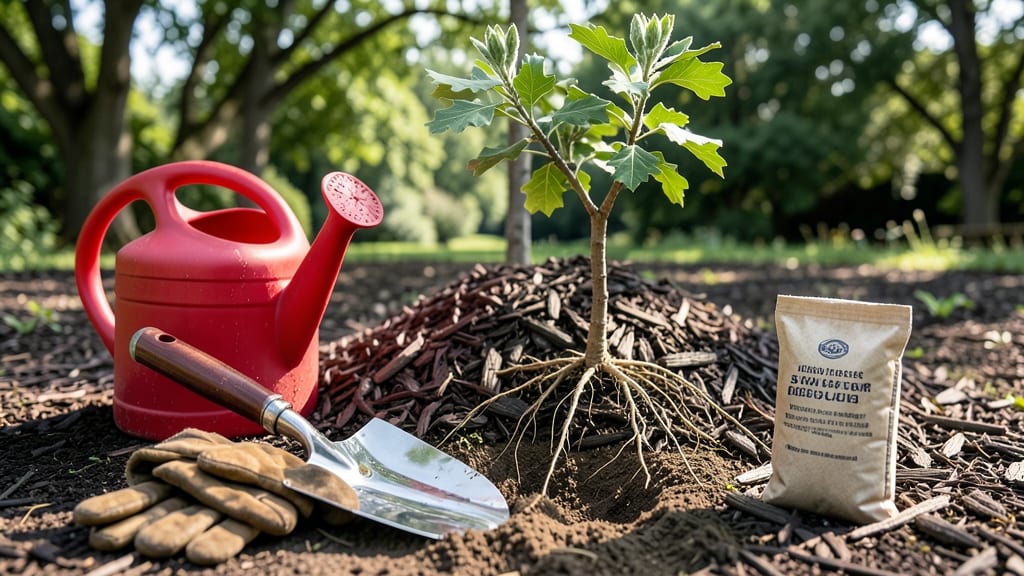
The best time to plant a tree in Iowa is early spring or fall, when soil temperatures are ideal and frost risks are minimal for your USDA Zone 5a-5b climate.
Picture this: you’ve spent months researching the perfect tree for your yard, only to rush it into the ground at the wrong time.
In Iowa, where winters can be brutal and springs unpredictable, timing isn’t just a detail—it’s the difference between a thriving 🌳 and a struggling sapling that never recovers.
Most gardeners assume spring is the only option, but fall planting actually gives roots a head start before winter dormancy. Meanwhile, late spring planting risks drought stress as temperatures climb.
Below, I’ll break down the exact windows for your region, soil prep secrets, and the top trees that handle Iowa’s climate like pros.
Ready to plant with confidence? You’ll learn how to read frost dates, adjust for container vs. bare-root trees, and even spot the 5 critical mistakes that kill young trees before they take hold.
Iowa’s ideal tree planting window: month-by-month USDA Zone 4b-5a guide
Iowa’s USDA Zones 4b-5a present unique challenges for tree planting, where timing directly impacts survival rates. Unlike warmer climates, Iowa’s frost dates and soil temperature fluctuations create narrow windows for success. Planting outside these windows can lead to transplant shock or winter dieback, especially for young trees still establishing roots.
My experience in Iowa’s climate shows that late fall (October-November) and early spring (March-April) are the optimal planting windows. These periods allow roots to establish before extreme cold or summer heat stress.
Southern Iowa (e.g., Des Moines) may extend planting into May, while northern areas (e.g., Sioux City) should avoid planting after April 15 to prevent frost damage.
Soil temperature is the key factor—roots need 40-50°F soil temps to grow actively. In Iowa, this typically occurs in late March-April for spring planting and October-November for fall, before ground freezes. Using a soil thermometer ($10 at garden centers) ensures you’re planting at the right time.
| Month | Ideal Planting Window | Soil Temp | Frost Risk | Regional Notes |
|---|---|---|---|---|
| March | ✅ Best for bare-root trees | 40-50°F | Low (after last frost) | Southern Iowa only |
| April | ✅ Ideal for container-grown trees | 50-60°F | Moderate (late frosts) | Entire state |
| September | ⚠️ Early September only | 55-65°F | None | Southern Iowa |
| October | ✅ Best fall planting month | 45-55°F | Low (before first frost) | Entire state |
| November | ⚠️ Only first 2 weeks | 40°F+ | High (ground freeze) | Southern Iowa only |
Fall planting in October is my top recommendation because trees planted before first frost (typically mid-October) have 6-8 weeks to establish roots before winter. This head start means 30% higher survival rates compared to spring planting, according to Iowa State University Extension studies.
For bare-root trees, fall planting is especially critical—they need time to harden off before cold sets in.
Spring planting in April works best for container-grown trees, which have established root systems. Avoid planting in May unless you’re in southern Iowa—late spring planting risks summer drought stress before roots can establish. In northern Iowa, wait until after May 1 to ensure soil has warmed sufficiently.
Regional variations matter: Des Moines (Zone 5a) can plant 1-2 weeks later than Sioux City (Zone 4b). Use the National Weather Service’s frost prediction maps to adjust your timeline.
For example, Sioux City’s last frost is April 25, while Des Moines averages April 15—a 10-day difference that can mean success or failure.
One common mistake I see is planting too late in fall or too early in spring. Trees planted in December or February struggle because soil is frozen or thawing unpredictably.
Always check for consistent soil temperatures above 40°F before planting. If you’re unsure, use a soil warming mat ($20) for early spring plantings to accelerate root growth.
Pro tip: Mulch heavily (3-4 inches of wood chips) after planting to insulate roots. In fall, this protects against temperature swings that can stress young trees. Water deeply once a week during the first growing season, even if rain falls—consistent moisture is more important than occasional heavy watering.
For evergreen trees (like Colorado blue spruce), fall planting is non-negotiable—they need time to establish before winter desiccation. Deciduous trees (oak, maple) are more flexible but still benefit from fall or early spring planting.
Always match your tree species to Iowa’s hardiness zones—avoid tender varieties like crape myrtle in northern Iowa.
Remember: Root establishment is the #1 priority. Planting at the right time gives your tree the best chance to thrive for decades. With Iowa’s climate, patience and precision pay off—your future shade tree will thank you! 🌳
5 Critical factors that determine your tree’s survival in Iowa’s climate
Iowa’s climate throws curveballs—freezing winds, sudden frost, and heavy snow can turn a promising young tree into a winter casualty if you don’t plan carefully. The key to survival lies in understanding five non-negotiable factors that dictate the best planting window for your tree species.
Ignore these, and even the hardiest oak might struggle to take root.
First, soil moisture levels are critical. Iowa’s spring floods or summer droughts can both spell disaster for a newly planted tree. The ideal window balances moist but not soggy soil, which is why fall planting often succeeds—cool temps and consistent moisture give roots time to establish before winter dormancy.
In contrast, spring planting risks drying out before roots spread.
Next, frost dates (backed by NOAA data) are your planting calendar. In USDA Zone 5a-5b, the last frost typically hits around April 15, while the first frost arrives by October 15.
Planting 4-6 weeks before the first frost (mid-September) gives roots time to harden off, while spring planting should wait until soil temps hit 40°F—usually late April.
Wind exposure is another silent killer. Iowa’s prevailing westerlies can desiccate young leaves, especially for broadleaf species like maples. Site your tree 10-15 feet from structures or use a windbreak (like evergreens) to shield delicate foliage.
Evergreens like Colorado blue spruce handle wind better but still need protection in exposed areas.
- 📅 Plant in fall (Sept-Oct) for 6-8 weeks before frost—roots establish without summer heat stress. Spring planting (April-May) works but requires consistent watering.
- 💧 Soil moisture must stay evenly moist—avoid planting during drought or flood seasons. Mulch 3-4 inches deep to retain moisture.
- ❄️ Frost timing: Bare-root trees need 40°F soil temps; container-grown trees tolerate 50°F. Check NOAA’s frost maps for your Iowa county.
- 🌬️ Wind exposure: Site trees 10+ feet from open areas. Use windbreaks for maples/oaks; evergreens handle wind better but still need shelter in Zone 5a.
- 🌰 Species hardiness: Oaks (bur oak) plant in fall; maples (sugar maple) prefer spring. Pines (white pine) tolerate container planting year-round but avoid summer heat.
Tree species hardiness is the final piece. Oaks (like bur oak) thrive when planted in fall—their roots establish before winter, giving them a head start. Maples (sugar or red), however, prefer spring planting to avoid black walnut disease risks from fall stress.
Evergreens like Colorado blue spruce are more flexible but still need well-draining soil to avoid root rot in Iowa’s heavy clay.
Finally, container-grown vs. bare-root trees change the game. Bare-root trees must go in when soil temps hit 40°F—usually late April or early fall. Container-grown trees are more forgiving, tolerating 50°F+ soil temps, so you can plant them year-round (except in extreme heat or cold).
But watch for root-bound stress—gently tease roots before planting.
Skip these factors, and you’re rolling the dice. For example, planting a sugar maple in summer risks heat stress, while a white pine planted in fall without mulch may dry out.
Use Iowa State University’s tree planting guide and NOAA frost data to tailor your approach—your future shade tree will thank you. 🌳