
How To
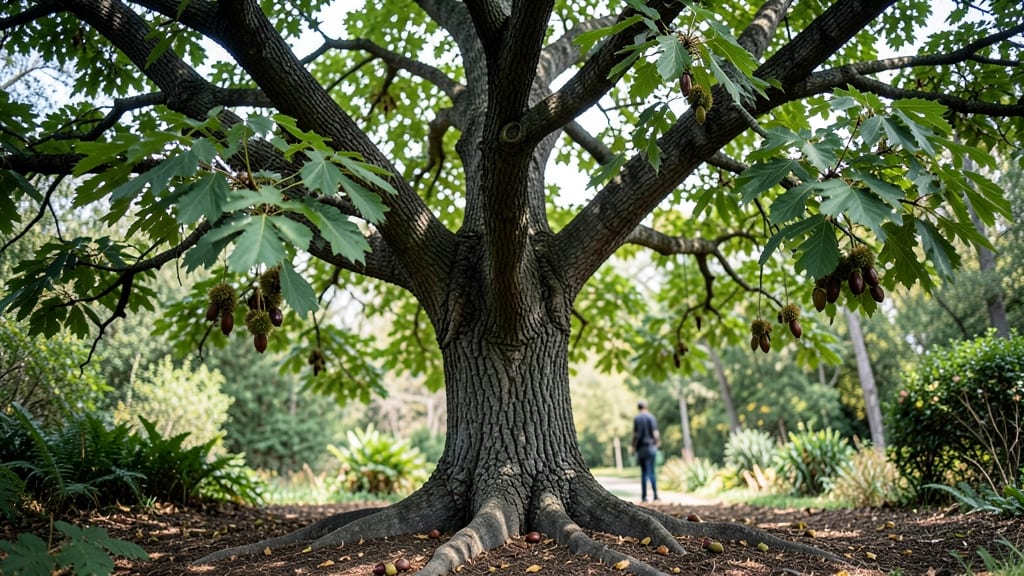
A black walnut tree 🌳 can grow between 40 and 75 feet tall, making it a statement piece in any landscape—but its final height depends on where you plant it and how you care for it.
If you're dreaming of planting a black walnut tree but wondering whether it'll tower over your backyard or blend into your landscape, you're not alone. This majestic tree's height can vary wildly depending on where you live, with some reaching skyscraper-like proportions in the right conditions.
In cooler climates like USDA Zone 6a, expect a more modest 50-60 feet at maturity, while warmer regions can see heights exceeding 70 feet. Proper spacing and pruning play a key role in managing its size, especially if you're working with limited yard space.
Below, I’ll break down the factors that influence height, regional differences, and practical tips to help you plan for a black walnut tree that fits your vision—whether you want a towering giant or a more controlled addition to your property.


Black walnut tree height by mature growth stages: from sapling to giant
If you're considering adding a black walnut tree (Juglans nigra) to your landscape, understanding its growth trajectory is essential. These majestic trees start small but can become towering giants—sometimes reaching heights that dwarf even the tallest structures in your yard.
The journey from a 1-foot sapling to a 75-foot giant takes decades, but the growth stages are fascinating to track.
In the first few years, your black walnut tree will grow surprisingly fast, gaining 3-5 feet annually under ideal conditions. By year 5, it could already be a 15-foot-tall specimen, though this growth rate slows as the tree matures.
The most dramatic height increases occur between years 10 and 30, when the tree's canopy expands rapidly and its trunk thickens. Without proper spacing or pruning, these trees can easily outgrow suburban backyards, making early planning crucial.
| Growth Stage | Height Range | Time to Reach | Key Growth Notes |
|---|---|---|---|
| Seedling (1st year) | 1-3 ft | Year 1 | Fast initial growth; needs full sun and moist soil |
| Sapling (Years 2-5) | 8-15 ft | Years 2-5 | Annual growth of 3-5 ft; prune to shape early |
| Juvenile (Years 6-15) | 20-30 ft | Years 6-15 | Slower growth; develops strong root system |
| Mature (Years 20-40) | 40-60 ft | Years 20-40 | Peak height; produces nuts; needs space |
| Giant (Years 40+) | 60-75+ ft | Years 40+ | Slowest growth; may need structural support |
One of the most critical factors influencing a black walnut tree's height is its growing environment. Trees planted in rich, well-draining soil with ample nutrients can grow 10-20% taller than those in poor soil.
For example, a tree in Ohio's fertile clay loam might reach 60 feet by age 30, while one in sandy soil could max out at 45 feet. Additionally, climate plays a huge role—trees in warmer USDA zones (7-9) often grow taller due to longer growing seasons.
Pruning is another tool you can use to manage height, though it’s most effective when done early in the tree’s life. If you prune aggressively in the first 5 years, you can keep the tree 20-30% shorter than its natural height.
However, pruning later in life has limited impact on height reduction—it’s better for shaping and removing dead branches. Always use sterilized pruning tools to prevent disease transmission, especially when working with black walnut trees.
Black walnut trees also exhibit regional height variations that gardeners should consider. In the Northeast and Midwest, where winters are cold, trees typically reach 50-60 feet at maturity.
Meanwhile, in southern states like Texas or Florida, they can grow 70 feet or taller due to milder winters and longer growing seasons. Even within the same region, microclimates matter—a tree planted in a protected valley may grow taller than one exposed to harsh winds.
The root system of a black walnut tree is another factor that indirectly affects height. These trees develop deep, extensive roots that compete aggressively for water and nutrients, which can stunt nearby plants due to their allelopathic properties.
This competition might slow the tree’s height growth if resources are limited, but it also means your black walnut will thrive with minimal supplemental watering once established.
If you're planting a black walnut tree in a small urban yard, consider its mature height early in the planning process. A 75-foot tree will need at least 50 feet of clearance from buildings, power lines, and other structures.
For smaller spaces, you might explore dwarf varieties (though true dwarf black walnuts are rare) or plan to prune regularly. Always check local tree ordinances before planting, as some municipalities require permits for trees exceeding certain heights.
To maximize your black walnut tree’s potential height, focus on three key practices: providing full sun exposure, maintaining well-draining soil, and avoiding competition from nearby plants. With the right conditions, your tree
Regional height differences: how climate affects black walnut tree growth
If you're considering planting a black walnut tree (Juglans nigra), its mature height can differ dramatically based on your USDA hardiness zone.
In colder regions like Zone 5, these trees typically reach 50-60 feet, while in warmer climates like Zone 8, they can soar past 70 feet. These differences stem from how temperature, humidity, and water availability shape growth patterns.
In Ohio (Zone 5-6), black walnut trees often hit their classic 60-foot mark with a broad canopy, making them iconic shade providers. Meanwhile, in Texas (Zone 8-9), the warmer climate and longer growing season can push heights toward 80 feet or more.
California's Zone 9-10 trees, however, often stay shorter—40-50 feet—due to drought stress and compact soil conditions.
| Region | USDA Zone | Avg. Mature Height | Key Climate Factor |
|---|---|---|---|
| Ohio | 5-6 | 50-60 ft | Moderate frost, rich soil |
| Texas | 8-9 | 70-80+ ft | Long growing season, high humidity |
| California | 9-10 | 40-50 ft | Drought, poor soil |
| New England | 4-5 | 45-55 ft | Short growing season, cold winters |
Humidity plays a surprising role—high humidity in the Southeast can accelerate growth, while dry climates like those in the Southwest may stunt height due to water stress. In Zone 4, where winters are harsh, black walnut trees often grow more slowly, reaching 45-55 feet over decades.
Conversely, Zone 7's milder winters allow for faster vertical growth, sometimes exceeding 65 feet.
Frost also impacts height—late spring frosts can damage young shoots, leading to bushier, shorter growth in northern climates. Meanwhile, minimal frost in southern zones lets trees focus energy on height rather than survival.
For example, a Texas black walnut might add 2-3 feet per year in ideal conditions, while a New England specimen might only gain 1 foot annually.
If you're planting in a small yard, consider your region's typical height range before committing. In Zone 8, where trees can dominate landscapes, spacing 80 feet apart is wise, while Zone 5 plantings can often get by with 50 feet of clearance.
Always account for root spread, which can reach 50-75 feet regardless of height.
For gardeners in drought-prone areas, prioritize deep watering during the first 2-3 years to encourage stronger root systems, which can help offset stunted growth. In humid regions, pruning for airflow reduces disease risk, allowing trees to focus on vertical expansion.
🌳