
Blooming
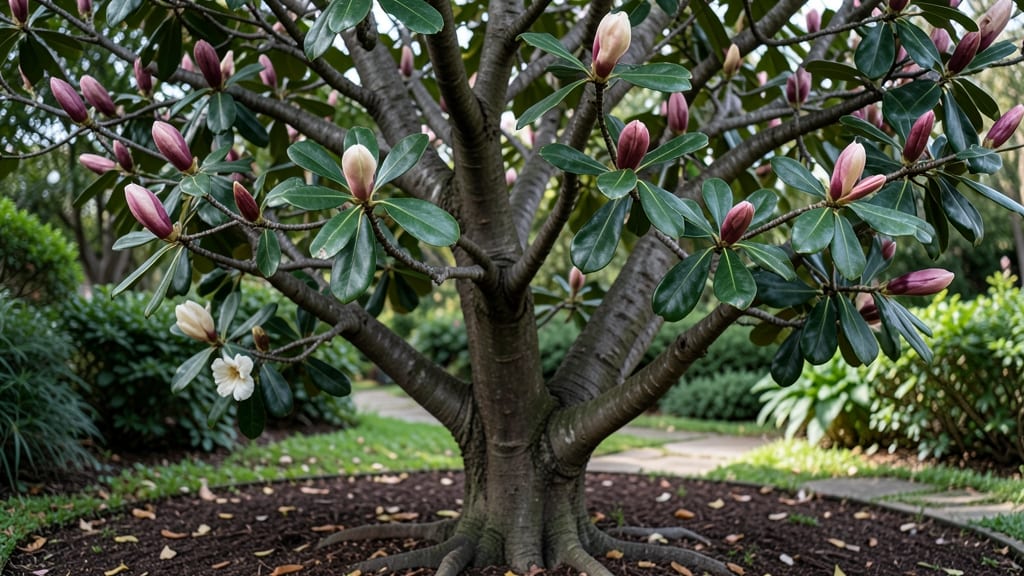
Your magnolia tree’s spring transformation starts long before those iconic blooms appear—it’s all about what you do (and don’t do) in the pre-bloom phase. ✂️ I’ve watched my own magnolia go from bare branches to a floral masterpiece by following a few key steps that most gardeners miss, like timing pruning just right and spotting early signs of trouble before they spiral.
The dormant winter months are your secret weapon. This is when you prune to shape the tree before new growth appears—cutting now removes dead wood and encourages stronger blooms next season. But here’s the catch: magnolias bloom on old wood, so avoid heavy pruning after flowers fade.
Look for buds forming along last year’s branches—those are your future blooms waiting to happen. By late winter, you’ll notice tiny green shoots pushing through the bark. This is your cue to check soil moisture—too wet causes root rot, while too dry stresses the tree.
A light mulch (2-3 inches) keeps roots happy without smothering them, and a balanced fertilizer in early spring gives them the boost they need for explosive growth. The payoff?
A tree that blooms earlier, bigger, and more reliably—plus the confidence to spot problems like aphids on new leaves or fungus on buds before they ruin your showstopper. Let’s get those branches ready for their close-up.
📚 In This Guide
- What you need
- Instructions
- Tips and common mistakes
- Wrapping up and next steps
What you need
- ● Pruning shears: Bypass pruners (sharp, clean, and disinfected with rubbing alcohol). Size: 6–8 inches for small branches.
- ● Loppers: For thicker branches (½–1½ inches). Look for: Ratcheting or bypass style for precision.
- ● Hand saw: Curved-tooth pruning saw (for branches >1½ inches). Bonus: Lubricate the blade for smooth cuts!
- ● Gloves: Heavy-duty, cut-resistant (e.g., Mechanix or gardening-specific). Pro tip: Wear long sleeves to protect from thorns!
- ● Ladder: Sturdy, extension ladder (16–24 ft, depending on tree height). Safety first: Use stabilizers or a helper!
- ● Disinfectant: 70% isopropyl alcohol or bleach solution (1 part bleach : 9 parts water) to sterilize tools between cuts.
- ○ Pruning sealant: Optional but helpful for large cuts (>½ inch) to prevent disease. Choose: Tanglefoot Tree Wound Pruning Seal.
- ● Marking spray: Fluorescent paint to mark branches for removal (e.g., Fiskars Easy Mark).
- ● Tree bag: For collecting and disposing of pruned branches.
- ● First-aid kit: Bandages and antiseptic (just in case those thorns get you!).
- ● Camera: Snap photos before/after to track progress!
- ● Timing: Prune after the tree blooms (late spring/early summer) or in dormant season (late winter). Never prune in fall!
- ● Weather: Choose a dry, overcast day to avoid stressing the tree.
- ● Research: Identify your magnolia species (e.g., Southern Magnolia vs. Star Magnolia)—pruning needs vary!
- ● Safety gear: Closed-toe shoes, eye protection, and a hard hat if working near power lines.
Instructions for pruning magnolias before spring bloom
Timing and technique make all the difference—here's how to prepare your magnolia for its best flowering season yet.
✂️ Step 1: Time Your Pruning Precisely
Prune your magnolia immediately after blooming but before new growth starts. This window—typically late spring to early summer—lets the tree recover before winter dormancy. I always mark my calendar for 2-3 weeks after the last bloom falls to avoid cutting off next year's flower buds, which form on old wood.
Watch for fresh pink or green growth on branches—this signals the tree is preparing for summer. If you see new leaves emerging, you've missed the window. Late pruning risks removing next year's flowers entirely, and magnolias can take years to recover from heavy cuts.
🌿 Step 2: Identify and Remove Problem Branches
Start by removing dead, diseased, or crossing branches first. Dead wood is easy to spot—it's gray, brittle, and doesn’t bend. Diseased branches may have black spots, oozing sap, or fungal growth. Cut these back to the main trunk or a healthy lateral branch using clean, sharp pruners to prevent tearing.
Next, look for branches that cross or rub against others. These create wounds where pests and diseases can enter. Thin out the weaker branch at its base, leaving the stronger one. I always step back to visualize the tree’s shape—magnolias naturally grow with a rounded, vase-like form, so aim to maintain that silhouette.
✂️ Step 3: Thin Out for Better Airflow and Light
Magnolias need good airflow to prevent fungal issues like powdery mildew. Selectively remove 10-20% of the canopy by cutting back branches that are too dense or growing inward. Focus on the outer third of the tree to open up the center. You’ll see where light struggles to reach—those are the branches to trim.
Use hand pruners for branches under ½ inch thick and loppers for ½ to 2 inches. For anything thicker, break out the pruning saw. Always cut just outside the branch collar (the swollen area where the branch meets the trunk) to encourage proper healing. Avoid leaving stubs—they invite decay.
🌱 Step 4: Shape for Future Blooms and Health
Magnolias bloom on old wood, so avoid heavy pruning that removes too many mature branches. Instead, lightly shape to encourage strong, upward growth. Remove any suckers (shoots growing from the base) and water sprouts (fast-growing vertical shoots) immediately—they drain energy from flowering.
Step back frequently to check your work. The goal is a balanced, open canopy that lets sunlight reach the lower branches. If your magnolia is young (under 10 years old), keep pruning minimal—focus only on dead or diseased wood. Older trees can handle a little more shaping, but never remove more than 25% of the foliage in one season.
💧 Step 5: Post-Pruning Care for Recovery
After pruning, water deeply to help the tree recover. Magnolias have shallow roots, so 1-2 inches of water per week (either from rain or irrigation) keeps them healthy. Apply a 2-3 inch layer of mulch around the base, but keep it 6 inches away from the trunk to prevent rot.
Monitor the tree for new growth in the following weeks—this is your sign that the pruning was successful. If you notice yellowing leaves or wilting, it could mean over-pruning or stress. In that case, hold off on heavy pruning next year and focus on fertilizing with a balanced, slow-release formula to rebuild strength.
Tips & tricks for perfect magnolia pruning before bloom
A few strategic moves can transform your magnolia from a struggling shrub to a flowering showstopper. Here's what I've learned after years of trial and error with these majestic trees.
Timing Secret: The 2-3 week window after blooming is non-negotiable for spring pruning. I set calendar reminders for when my magnolia's blooms start dropping—this ensures I don't accidentally cut off next year's flower buds, which develop on old wood. Pro tip: Use a magnifying glass to check for tiny flower buds forming along last year's branches. If you see them, you've waited too long.
Equipment Essentials: Sharp tools make all the difference with magnolia branches. I invest in bypass pruners for clean cuts and a pruning saw for thicker branches—never use dull tools that tear bark. Sterilize your tools with rubbing alcohol between cuts to prevent spreading disease between branches. For larger cuts, I use loppers rated for branches up to 2 inches thick, which covers 90% of what I need to prune.
Visual Pruning Technique: Step back frequently to visualize your tree's natural shape. Magnolias naturally grow in a rounded, vase-like form, so aim to maintain that silhouette. I use the "third rule" when thinning: remove branches from the outer third of the tree first to open up the center. This creates better airflow and light penetration throughout the canopy, which prevents fungal issues like powdery mildew.
Recovery Strategy: After pruning, the 2-3 inch layer of mulch becomes your tree's best friend. I always keep it 6 inches away from the trunk to prevent rot while still protecting roots. Water deeply immediately after pruning, then maintain 1-2 inches of water per week. The key is consistency—magnolias have shallow roots that need steady moisture to recover properly. I monitor for new growth within 3-4 weeks as my success indicator.
Pro Tips for Magnolia Tree Before Bloom
- A few strategic moves can transform your magnolia from a struggling shrub to a flowering showstopper. Here's what I'v...
- Timing Secret: The 2-3 week window after blooming is non-negotiable for spring pruning. I set calendar reminders for ...
- Equipment Essentials: Sharp tools make all the difference with magnolia branches. I invest in bypass pruners for clea...
Frequently asked questions
Got questions about your magnolia tree before it blooms? You’re not alone! Here are some of the most common queries—and their answers—to help you prep like a pro.
When is the best time to prune a magnolia tree before it blooms?
Prune your magnolia tree after it blooms in late spring or early summer (May–June). This timing ensures you don’t accidentally cut off next year’s flower buds, which form on old wood. Avoid pruning in fall or winter, as cold stress can harm the tree.
Can I prune a magnolia tree in early spring before flowers appear?
While you can prune in early spring, it’s risky. Magnolia buds form the previous summer, so pruning too early may remove potential blooms. If you must prune early, limit cuts to light shaping—avoid heavy pruning until after flowering.
What if my magnolia tree isn’t blooming? Could pruning help?
If your magnolia isn’t blooming, pruning alone won’t fix the issue—but it won’t hurt if done correctly. First, check for sunlight, soil health, or pests. Over-pruning or cutting into old wood can reduce blooms, so focus on removing dead branches and thinning for airflow.
How do I know if I’ve pruned my magnolia tree too much?
Signs of over-pruning include fewer blooms, sparse foliage, or stunted growth. If you’ve removed more than 20–30% of the canopy in one session, you’ve likely overdone it. Magnolias are sensitive—stick to selective cuts and prioritize health over aesthetics.
Are there alternatives to pruning if I’m worried about hurting my magnolia?
Yes! If you’re hesitant about pruning, try light shaping with hand shears or focus on removing only dead, diseased, or crossing branches. Fertilizing with acid-loving plant food and ensuring proper watering can also boost health without pruning risks.
Wrapping up and next steps
Watching your magnolia tree before bloom is like unlocking a secret to spring’s most stunning show—pruning at the right time ensures those iconic flowers burst forth in all their glory! 🌸 From sharpening your tools to timing cuts with precision, every step sets the stage for a healthier, more vibrant tree.
Now that you’re armed with the know-how, there’s no time like the present to grab those shears and give your magnolia the care it deserves.
Ready to transform your garden? Mark your calendar for late winter or early spring, gather your supplies, and dive in—your future blooms will thank you! 🌿