
Pruning
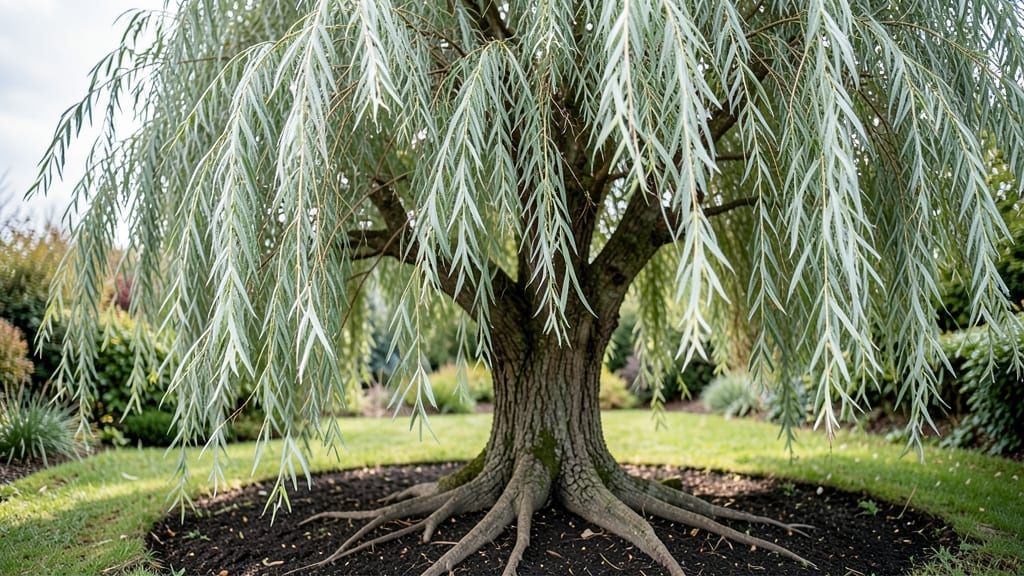
The weeping willow tree size at maturity can reach 30 to 50 feet tall with a spread of 20 to 30 feet, making it one of the fastest-growing trees in the world.
If you're dreaming of a graceful, cascading tree to shade your backyard or line a pond, the weeping willow’s dramatic size and rapid growth might make you hesitate—but knowing the right variety and spacing can turn this challenge into a stunning landscape feature.
This ornamental giant thrives near water sources and in open spaces, but its sprawling roots and towering branches demand careful planning. Without proper spacing, it can outgrow fences, block driveways, and even damage foundations over time.
In this guide, I’ll break down how fast these trees grow, the best varieties for your space, and practical pruning tips to keep them in check—so you can enjoy their beauty without the headaches.


Weeping willow tree size by variety: growth rates & mature dimensions
Choosing a weeping willow (Salix spp.) for your landscape means embracing both beauty and bold proportions. These trees are famous for their dramatic, cascading branches and rapid growth, but their mature size can vary dramatically by variety.
Whether you're planning a pondside feature or a shade provider, knowing the right variety’s dimensions is key to avoiding overcrowding or structural issues.
The classic weeping willow (Salix babylonica) is the most widely recognized, but smaller cultivars like Salix caprea 'Pendula' offer compact alternatives. Growth rates also differ—some varieties surge 3–6 feet annually in ideal conditions, while others grow more slowly but stay contained.
Let’s break down the specifics so you can pick the perfect fit for your space.
Climate plays a huge role in weeping willow size. In warmer zones (USDA 7–10), these trees thrive and reach their maximum potential height faster. Cooler climates (USDA 4–6) may see slower growth and slightly smaller mature sizes, especially for varieties like Salix alba 'Tristis', which can take decades to reach full height.
Here’s a quick comparison of 5 popular weeping willow varieties—their mature sizes, annual growth rates, and ideal climates—to help you decide:
The Salix babylonica is the fastest grower and most dramatic, but its aggressive roots require ample space. If you’re working with a smaller yard, consider Salix matsudana 'Tortuosa'—its twisted branches add character without the same space demands.
For urban gardens, Salix purpurea 'Nana' is a compact choice, though it grows slowly.
One critical factor often overlooked is the root system. Weeping willows develop shallow, wide-spreading roots that can extend 2–3 times the canopy width. This means planting near sidewalks or foundations risks damage—always allow at least 20–30 feet from structures. In dry climates, growth may slow
How much space do weeping willows need? Planting distance guidelines
Weeping willows are stunning but space-hungry giants, with mature trees reaching 30–50 feet tall and spreading 25–40 feet wide. Their aggressive roots and sprawling branches demand careful planning to avoid damaging structures or crowding other plants.
If you’re planting one near your home, sidewalk, or pond, spacing is critical to prevent costly repairs and maintain your tree’s health.
For optimal growth and safety, weeping willows need at least 30–50 feet of clearance from homes, sheds, and power lines. Their roots can extend twice the canopy width, so planting too close risks lifting foundations or clogging drainage systems.
In smaller yards, consider dwarf varieties or container-grown specimens—but even these need room to breathe.
If your yard is smaller than 50 feet wide, opt for container-grown weeping willows or prune aggressively to maintain size. I recommend annual pruning in late winter to remove 1/3 of new growth, which slows expansion.
Use sharp pruning shears and seal cuts with pruning paint to prevent disease. For roots, install plastic root barriers 2–3 feet deep if planting near structures.
Visualize spacing with this yard layout diagram: Imagine a 30-foot circle around your tree’s trunk—this is its minimum safe zone. Place smaller plants like hostas or ferns at the edge of this circle, where they’ll get dappled shade without competing for resources.
Avoid planting shrubs or perennials within 10 feet of the trunk, as their roots will struggle against the willow’s dominance.
For urban gardens, consider dwarf weeping willow alternatives like Salix caprea 'Pendula', which maxes out at 15–20 feet tall. These still need 15–20 feet of space but fit tighter layouts.
Always check local regulations before planting near water sources—some areas restrict willows due to invasive root systems that can destabilize banks.
Remember: Proper spacing now saves headaches later. Skimping on distance risks root damage, structural issues, and even tree removal. When in doubt, consult an arborist to assess your soil and layout before planting.
With the right spacing, your weeping willow will thrive for decades—adding drama and shade to your landscape without the chaos. 🌳