
How To
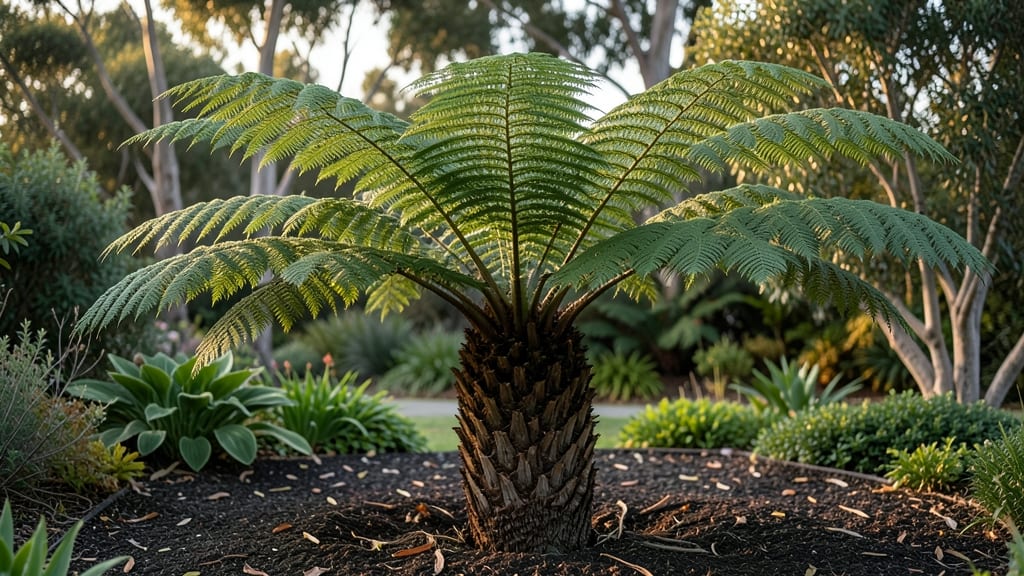
How tall do tree ferns grow? They can reach heights between 6 and 20 feet, depending on the species and growing conditions — making them a stunning choice for both small gardens and sprawling landscapes.
If you're dreaming of adding dramatic, lush greenery but aren't sure which tree ferns will fit your space, you're in the right place. These ancient plants can tower over your landscape—or stay compact—depending on the variety, and knowing their mature heights is key to planning your outdoor oasis.
Some species, like the Dicksonia antarctica, reach heights of 15 to 20 feet, while others, such as the Cyathea dealbata, typically max out around 10 feet.
Even smaller varieties like the Cyathea australis can still grow to 6 to 8 feet, perfect for patios or containers.
In this guide, you'll discover how sunlight, soil, and care routines influence their growth, along with exact height ranges for popular varieties so you can pick the perfect tree fern for your garden.


Tree fern height guide: exact mature heights by popular varieties
If you're planning your garden and wondering how tall tree ferns grow, the answer depends entirely on the variety you choose.
Some tree ferns stay under 6 feet, making them perfect for containers or small spaces, while others can soar to 20 feet or more, creating a dramatic focal point in your landscape.
Understanding these height ranges helps you select the perfect specimen for your garden design—whether you want a lush, low border or a towering tropical statement.
Tree ferns are ancient plants with a wide range of heights, from delicate dwarf varieties to towering giants. The Dicksonia antarctica, for example, can reach 15-20 feet in ideal conditions, while the Cyathea dealbata (silver fern) typically stays between 6-12 feet.
Even within the same species, growth rates can vary based on climate, soil quality, and care. Let’s explore the exact mature heights of the most popular tree fern varieties so you can make an informed choice.
🌿 Key Tip: Always check your local climate zone—tree ferns thrive in USDA zones 6-10 but may grow slower in colder regions. In warmer climates, they can reach their full height faster.
📋 Summary Table: Tree Fern Mature Heights by Variety
| Variety | Mature Height (ft) | Growth Rate | Ideal Spacing (ft) | Notes |
|---|---|---|---|---|
| Dicksonia antarctica | 15-20 ft | Slow to Moderate | 8-10 ft | Towering giant; needs space and humidity. |
| Cyathea dealbata (Silver Fern) | 6-12 ft | Moderate | 5-7 ft | Versatile; great for containers or borders. |
| Cyathea medullaris (Australian Tree Fern) | 10-15 ft | Moderate | 6-8 ft | Cold-hardy; thrives in zones 6-9. |
| Cyathea australis (Black Tree Fern) | 8-12 ft | Slow | 5-6 ft | Dark, glossy fronds; loves shade. |
| Cyathea cooperi (Cooper’s Tree Fern) | 6-10 ft | Moderate | 4-5 ft | Compact; ideal for small gardens. |
| Cyathea arborea (Tree Fern) | 12-18 ft | Slow | 7-9 ft | Tropical look; needs warmth. |
| Cyathea smithii (Kunzea Tree Fern) | 4-6 ft | Slow | 3-4 ft | Dwarf variety; perfect for pots. |
| Dicksonia fibrosa (Soft Tree Fern) | 10-15 ft | Moderate | 6-8 ft | Soft fronds; loves humidity. |
| Cyathea australis ‘Compacta’ | 3-5 ft | Slow | 2-3 ft | Dwarf cultivar; great for containers. |
| Dicksonia squarrosa (Hairy Tree Fern) | 12-18 ft | Slow | 7-9 ft | Unique hairy trunk; needs space. |
When planning your garden, spacing is critical—especially for taller varieties like Dicksonia antarctica or Cyathea arborea. These giants need 8-10 feet of clearance to avoid crowding other plants
How growth rate and care affect tree fern height
Tree ferns are fascinating plants that can dramatically transform your garden's height profile, but their growth isn't just about genetics. The Dicksonia antarctica might reach 20 feet in ideal conditions, while a Cyathea dealbata stays compact at 6 feet.
Understanding how care factors influence their height helps you control whether your tree fern becomes a towering centerpiece or a manageable accent plant.
Sunlight exposure plays a crucial role in determining how tall your tree fern will grow. While they thrive in partial shade, too much direct sun can stunt growth due to leaf scorch, while insufficient light leads to leggy, weak stems.
The balance is key—3-6 hours of indirect light per day promotes steady, healthy vertical growth without stressing the plant.
Humidity levels also impact height development. Tree ferns originate from tropical regions and require 60-80% humidity to flourish. In dry climates, their growth slows dramatically, often resulting in stunted trunks.
I've found that grouping tree ferns with other moisture-loving plants or using a pebble tray with water can create the ideal microclimate for taller growth.
Factors Affecting Tree Fern Height
Encouraging Tall Growth
- Humidity: 60-80%
- Soil: Moist, humus-rich
- Light: 3-6 hrs indirect
- Fertilizer: Balanced NPK 5-10-10
- Pruning: Remove dead fronds
Controlling Short Growth
- Light: Too much sun
- Soil: Poor drainage
- Water: Inconsistent moisture
- Pruning: Over-trimming
- Fertilizer: Excess nitrogen
Soil quality directly affects how tall your tree fern becomes. Well-draining, humus-rich soil with organic matter provides the nutrients needed for strong trunk development.
I've noticed that tree ferns planted in sandy soil often grow slower due to poor nutrient retention, while those in loamy soil with compost reach their full height potential more quickly.
Pruning techniques can also influence height. Regular removal of dead fronds encourages new growth from the crown, which can make the plant appear taller over time. However, avoid cutting into the trunk itself, as this can cause irreversible damage.
For aggressive growers, selective pruning of outer fronds can redirect energy toward trunk elongation rather than leaf production.
If your tree fern seems stunted despite proper care, check for root-bound conditions or nutrient deficiencies. I've found that repotting in spring with fresh soil can stimulate new growth. For overly aggressive growth, consider root pruning to control height while maintaining the plant's health.
Remember, tree ferns grow at their own pace—some varieties like Dicksonia fibrosa may take 5-10 years to reach maturity. Patience and consistent care will reward you with the perfect height for your garden vision. 🌿