
Pruning
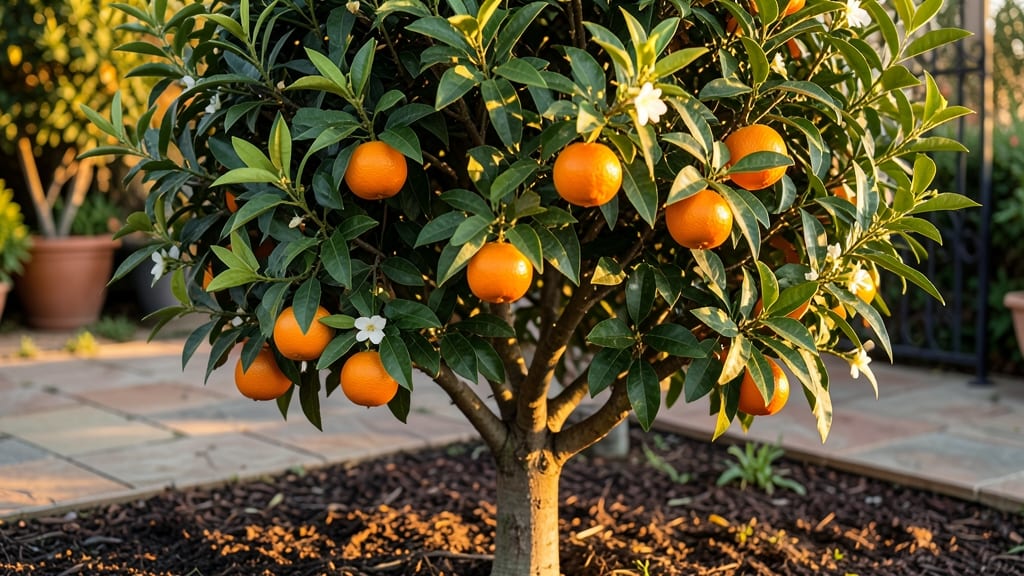
A Cara Cara orange tree size can range from 8 feet dwarf varieties to towering 25-foot standards, making the right choice critical for your space.
Dreaming of growing your own Cara Cara orange tree but worried it’ll outgrow your backyard? The good news is that with the right variety and care, you can enjoy sweet, blood-red oranges in even the smallest garden spaces—without sacrificing height.
Standard varieties reach 15-25 feet at maturity, requiring ample yard space, while dwarf types stay under 12 feet, perfect for containers or tight urban gardens.
In this guide, I’ll break down the height ranges, spacing needs, and pruning tips to keep your tree manageable while maximizing fruit production—no matter how limited your growing area.


Cara Cara orange tree height ranges: small vs. standard varieties compared
Choosing the right Cara Cara orange tree variety can make all the difference in small gardens or urban spaces. Standard varieties can reach 15-25 feet tall, towering over most backyards, while dwarf and semi-dwarf options stay under 12 feet.
The key is selecting the right size for your space while ensuring it still produces those prized blood-red oranges.
For small gardens or container growing, dwarf varieties are ideal—they mature between 8-12 feet tall and fit perfectly in patios or balconies. Semi-dwarf trees (12-18 feet) offer a middle ground, great for medium-sized yards.
Understanding these height ranges helps you plan spacing, sunlight access, and even pruning strategies to keep your tree manageable.
Below, I’ve compared the three main Cara Cara orange tree size categories—dwarf, semi-dwarf, and standard—so you can pick the perfect fit for your growing conditions. Whether you’re working with a 5-gallon container or a sunny backyard corner, this guide ensures you’ll have space for both tree and fruit!
If you’re growing in containers, dwarf varieties thrive in 15-25 gallon pots, while semi-dwarfs need 30+ gallons to prevent root binding. Standard trees are best suited for in-ground planting due to their size.
Always ensure your container has drainage holes to prevent root rot, a common issue with citrus trees.
Another key factor is growth rate. Dwarf varieties mature faster (3-5 years), while standard trees take 7-10 years to reach full height and fruiting potential. This means you’ll enjoy oranges sooner with smaller trees—a major perk for impatient gardeners!
For urban gardens or balconies, consider pruning techniques like heading back (cutting back new growth) to control height. Prune in late winter or early spring before new growth begins. Just avoid heavy pruning in summer, as it can stress the tree and reduce fruit production.
In colder climates (USDA Zones 9-10), even dwarf varieties may need winter protection. Use burlap wraps or move potted trees to a sheltered spot. Semi-dwarfs and standards are less cold-hardy and should be grown in microclimates or greenhouses if you live outside Zone 9.
One common mistake is underestimating spread. A dwarf tree might only reach 8 feet tall, but its spread can be 6-8 feet wide. Plan accordingly to avoid overcrowding, which can lead to poor air circulation and increased pest risks like aphids or citrus leaf miners.
For maximum fruit production, ensure your tree gets 6+ hours of sunlight daily. In containers
How to control Cara Cara orange tree size naturally (without sacrificing fruit)
Keeping your Cara Cara orange tree manageable doesn’t mean sacrificing those juicy, blood-red fruits. With strategic pruning and root control, you can shape your tree to fit even the smallest backyard—while still enjoying a bountiful harvest.
The key is timing and technique, ensuring you encourage fruit production while maintaining a compact form.
Natural size control starts with understanding your tree’s growth habits. Standard varieties can reach 15-25 feet, but dwarf and semi-dwarf options stay between 8-12 feet. Even with these smaller types, regular pruning keeps them tidy and productive.
The best time to prune is late winter or early spring, just before new growth begins.
Step-by-Step Guide to Pruning for Size Control
- 1 Choose the Right Tools: Use sterilized pruning shears for small branches and a pruning saw for thicker limbs. Sharp tools prevent damage and reduce disease risk.
- 2 Remove Dead or Crossing Branches: Start by cutting out dead wood and branches that rub against each other. This improves airflow and reduces disease risk while shaping the tree.
- 3 Thin Out Interior Branches: Focus on removing branches growing inward to open up the tree’s center. Aim for a vase-shaped canopy to maximize sunlight exposure for fruit production.
- 4 Limit Vertical Growth: Cut back upward-growing branches to encourage a horizontal spread. This keeps the tree shorter while maintaining a full, fruiting canopy.
- 5 Use Root Restriction for Containers: If growing in a pot, choose a container 1-2 feet larger than the tree’s root ball. This naturally limits root growth and keeps the tree smaller without stunting fruit production.
- 6 Fertilize Strategically: Use a low-nitrogen fertilizer (like 6-6-6) to promote fruiting over foliage growth. Avoid high-nitrogen feeds, which encourage rapid, unchecked growth.
Seasonal care also plays a crucial role in managing your tree’s size. In summer, focus on watering deeply (1-2 gallons per watering) to encourage strong root growth, which supports a healthier, more compact structure. Avoid overwatering, which can lead to weak, leggy growth.
For container-grown Cara Cara trees, monitor root growth by gently lifting the pot every few months. If roots circle the container, it’s time to prune the roots and repot into a slightly larger container. This keeps the tree manageable while preventing root-bound stress.
Finally, remember that patience is key. A well-pruned Cara Cara orange tree will reward you with sweeter, more abundant fruit while staying within your space constraints. With these techniques, you’ll enjoy your own homegrown oranges without the worry of an overgrown tree taking over your garden.