
Planting
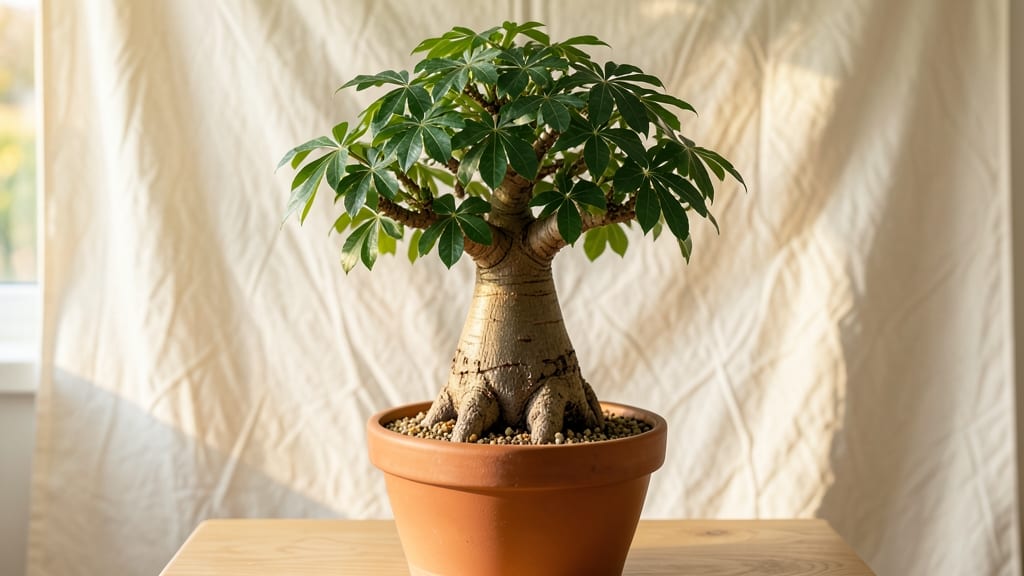
Growing a baobab tree as a houseplant turns your living room into a mini African savanna. 🌿 This isn't your typical fiddle-leaf fig—it's a drought-resistant powerhouse with a thick, elephant-foot trunk that stores water like a natural battery. The catch?
It thrives indoors only with the right light and minimal fuss. The secret to keeping it alive (and looking stunning) is bright, direct light—think south-facing windows or a grow light for 6+ hours daily. Use well-draining cactus/succulent mix, and let the soil dry completely between waterings.
Overwatering is the #1 killer, but once established, it handles neglect like a champ. You'll love watching that trunk grow thicker each year, while the small, spiky leaves add a wild, tropical feel.
Even in containers, it can reach 6-10 feet tall—perfect for making a statement without the upkeep of a fern collection. Fair warning: It’s slow-growing, so patience is key. But the payoff? A plant that looks exotic, survives your forgetful watering habits, and becomes the centerpiece of any room.
Here’s how to keep it thriving indoors.
📚 In This Guide
- What you need
- Instructions
- Tips and common mistakes
- Wrapping up and next steps
What you need
- ● Baobab Tree House Plant: 1 (ensure it’s a Adansonia species or a decorative baobab hybrid like Adansonia digitata or Adansonia gregorii)
- ● Well-draining potting mix: 1 bag (5–10 gallons) – blend cactus/succulent soil (60%) with perlite or pumice (40%) for aeration
- ● Pot with drainage holes: 1 (12–18" diameter) – terracotta or ceramic works best for moisture control
- ● Gravel or pebbles: 1 small bag (for drainage layer, ~1–2 inches thick)
- ● Watering can with a narrow spout: 1 (to avoid overwatering)
- ○ Gloves: 1 pair (optional but helpful for handling prickly leaves)
- ● Trowel or small shovel: 1 (for repotting if needed)
- ● Light source: Bright, indirect sunlight (south-facing window or grow lights for 6–8 hours/day)
- ○ Humidity tray or pebble tray: 1 (optional, for tropical-like conditions)
- ● Fertilizer (low-nitrogen, succulent-friendly): 1 bottle (diluted to half-strength, used sparingly)
How to grow a baobab tree as a houseplant
This iconic plant thrives indoors with surprisingly little fuss—just follow these simple steps.
🪴 Step 1: Choose the Right Container and Soil
Start with a well-draining pot at least 12 inches wide—baobabs grow slowly but need room to develop their iconic trunk. I like terracotta because it breathes and prevents root rot, which is the #1 killer of these plants. Fill the bottom third with gritty cactus/succulent mix and top with regular potting soil mixed with 30% perlite.
Here's the thing—baobabs hate soggy roots. If your mix feels too dense, add extra perlite or coarse sand. You'll know it's right when water runs through within 10 minutes of watering. Skip the fancy fertilizers for now; these plants prefer lean conditions at first.
🌱 Step 2: Plant Your Baobab with Care
Remove the plant from its nursery pot and gently loosen the roots if they're circling. Place it in the center of your new container and backfill with soil, pressing lightly to eliminate air pockets. The key is to plant it just as deep as it was before—burying the stem too deep causes rot, while planting too shallow stresses the plant.
I always tap the pot gently on the table after planting to settle the soil. You'll see the soil surface looks slightly uneven—that's normal. Water lightly right after planting to help settle everything, but don't soak it. Baobabs store water in their trunks and don't need immediate hydration.
☀️ Step 3: Position for Bright, Indirect Light
Place your baobab near a south or west-facing window where it gets 4-6 hours of bright, indirect light daily. Direct sun will scorch the leaves, while too little light makes the plant stretch leggy. You'll know the light is right when new growth appears compact and vibrant green.
If your home has low light, supplement with a grow light placed 12-18 inches away for 12-14 hours daily. I've seen baobabs survive under fluorescent lights, but they grow much slower. Rotate the pot a quarter turn weekly so the plant grows evenly—you'll notice one side leaning toward the light if you skip this.
💧 Step 4: Water Sparingly and Strategically
Water your baobab only when the top 2-3 inches of soil feel completely dry. Stick your finger in—if it comes out clean, it's time to water. When you do water, soak thoroughly until water runs from the drainage hole. This plant stores moisture in its trunk, so deep, infrequent watering is better than frequent shallow drinks.
Real talk: Overwatering kills baobabs faster than anything. I've seen people drown these plants in just weeks. After watering, let the pot sit in a saucer for 15 minutes to drain completely, then empty the saucer. Yellowing leaves? That's your first warning sign—cut back on water immediately.
✂️ Step 5: Prune and Encourage Trunk Growth
Baobabs grow slowly, so patience is key. Prune only to remove dead or yellowing leaves, using clean, sharp scissors. Never prune healthy growth—this plant develops its iconic shape naturally over years. If you notice leggy growth reaching for light, it's a sign to move the plant closer to the window.
Here's where it gets fun—watch the trunk thicken over time. Baobabs develop their signature swollen base as they mature. To encourage this, avoid repotting too often. Only move to a slightly larger pot every 2-3 years, and always choose one only 2-3 inches wider than the current size.
Tips & tricks for perfect baobab tree house plant care
A few simple tricks can make all the difference when growing this striking plant indoors.
Soil Mix Secret: The 30% perlite in your soil mix isn't just for drainage—it also helps prevent compaction. I've found that adding a handful of coarse sand to the mix creates even better aeration, especially if you notice water pooling on top after watering. This mimics the dry, sandy conditions of their native habitat.
Planting Depth Tip: When placing your baobab in its new pot during Step 2, use the nursery pot as your guide. The soil line should match exactly where it was before—this prevents stem rot while keeping the plant stable. If you're unsure, look for the natural swelling at the base of the stem as your reference point.
Light Rotation Strategy: That quarter turn weekly rotation in Step 3 isn't just about even growth—it's also how you'll spot light deficiencies early. If one side consistently grows toward the light, it's your cue to move the plant closer to the window or supplement with a grow light immediately. I've seen baobabs develop permanent lean if left unchecked.
Watering Test: The 15-minute drainage test after watering is crucial, but here's what to watch for: If water stops draining after 10 minutes, your soil mix might be too dense. If it drains immediately (under 5 minutes), you might need to add more perlite. The goal is that steady drip-drip sound that tells you water's moving through properly.
Pro Tips for Baobab Tree House Plant
- A few simple tricks can make all the difference when growing this striking plant indoors.
- Soil Mix Secret: The 30% perlite in your soil mix isn't just for drainage—it also helps prevent compaction. I've foun...
- Planting Depth Tip: When placing your baobab in its new pot during Step 2, use the nursery pot as your guide. The soi...
Frequently asked questions
How often should I water my baobab tree house plant?
Water your baobab tree house plant only when the top 1-2 inches of soil are completely dry. Overwatering is the #1 killer—these succulents store water in their thick stems! Aim for every 2-3 weeks in spring/summer and monthly in winter. Use well-draining soil to prevent root rot.
Can a baobab tree house plant survive indoors year-round?
Baobab tree house plants thrive indoors as long as they get bright, indirect light (like a south-facing window). They tolerate dry indoor air but avoid drafts or extreme temps (below 50°F or above 90°F). Rotate the pot occasionally for even growth.
What’s the easiest way to propagate a baobab tree house plant?
Propagate from stem cuttings! Let a healthy stem dry for 1-2 days, then place it in cactus/succulent soil. Keep it warm and dry (no water for 2 weeks!) until roots form. Alternatively, save seeds—though germination can take several weeks. Patience pays off!
Why are my baobab leaves turning yellow or falling off?
Yellow leaves usually mean overwatering or poor drainage. Let the soil dry out completely between waterings. Drooping or falling leaves could signal underwatering or low humidity. Check for pests (like mealybugs) too—wipe leaves with soapy water if needed.
Are there low-maintenance alternatives to baobab tree house plants?
Yes! Try snake plants (nearly indestructible), jade plants (similar care), or aloe vera (great for beginners). All three love bright light, minimal water, and thrive indoors. Perfect for busy plant parents!
Wrapping up and next steps
Bringing a baobab tree house plant into your indoor jungle is a rewarding way to add a touch of exotic beauty with minimal fuss! 🌿 Its striking silhouette and low-maintenance care make it perfect for both beginners and plant enthusiasts.
Whether you’re drawn to its unique charm or its resilience, this plant is a fantastic addition to any home.
Ready to take the next step? Start by selecting your pot and soil mix, then give your baobab tree the love it deserves—watch it thrive and become the star of your space! 🌱✨