
Blooming
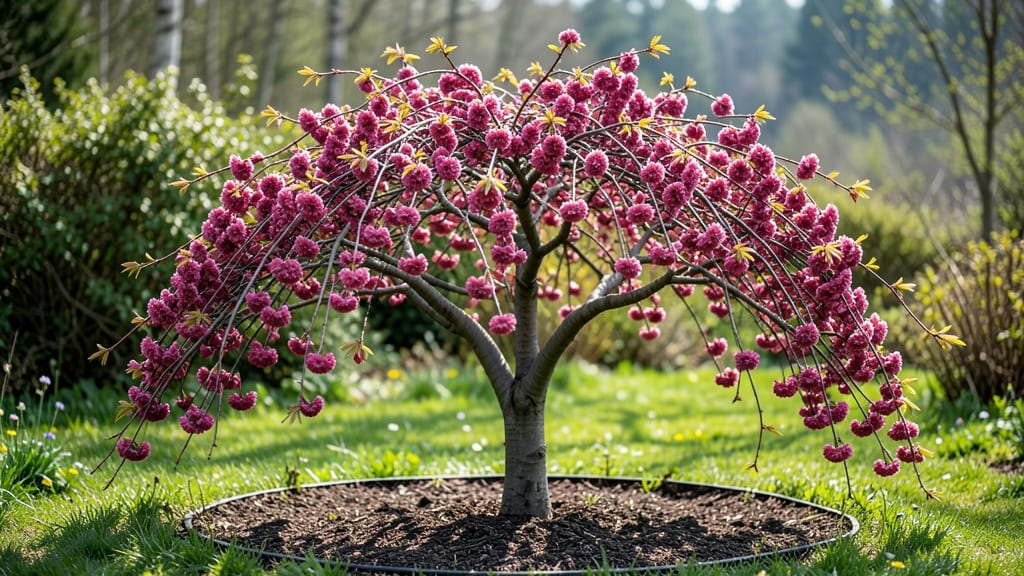
A weeping cherry tree can live for 50 to 100 years—or even longer—with the right care, making it a stunning, long-term investment for your landscape 🌸. But here’s the thing: not all weeping cherries reach that century mark.
Some varieties fade faster due to climate, pests, or simple neglect. The key to unlocking decades of blooms lies in understanding your tree’s specific needs and catching early signs of trouble.
Imagine planting a tree that becomes the centerpiece of your garden, its cascading pink or white blossoms drawing neighbors to the street every spring. Yet, without proper soil drainage or protection from late frosts, even the hardiest weeping cherry can decline in just a few years.
The good news? Small adjustments—like pruning at the right time or watching for bacterial canker—can add 20 to 30 years to its lifespan.
Below, I break down how different weeping cherry varieties compare in longevity, the top 5 care mistakes that shorten their lives, and when to intervene if your tree starts showing signs of aging.
Whether you’re a first-time gardener or a seasoned pro, these insights will help you nurture a tree that thrives for generations.
Ready to turn your weeping cherry into a legacy? You’ll also discover how to spot reversible decline, the best pruning schedule by season, and why some trees in Zone 6a outlive their neighbors by decades. Let’s get started.
Weeping cherry tree lifespan by variety: from decades to centuries
When you plant a weeping cherry tree, you’re investing in a living masterpiece that can grace your landscape for decades—or even centuries—with the right care.
Unlike their upright counterparts, weeping varieties like Prunus serrulata ‘Kwanzan Weeping’ often live longer due to their stronger root systems and resilience to wind damage. But their lifespan varies wildly by variety, climate, and growing conditions.
Let’s break down the average lifespans of the most popular weeping cherries and what makes them thrive—or fail—over time.
The key to maximizing a weeping cherry’s lifespan starts with selecting the right variety for your climate.
Some varieties, like Prunus subhirtella ‘Pendula’, are hardy in USDA Zones 5-8 and can live 50-100 years with minimal care, while others, like Prunus avium ‘Weeping’, prefer milder climates (Zones 6-9) and may only reach 30-50 years without extra attention.
Your location isn’t just about cold tolerance—it’s also about heat stress, humidity levels, and soil drainage, all of which impact longevity.
If you’re planting a weeping cherry in a cooler climate (Zones 5-6), Prunus subhirtella ‘Pendula’ or Prunus x yedoensis ‘Shidare-Yutaka’ are your best bets for long-term beauty.
These varieties not only live longer but also develop sturdy branches that resist the weight of snow—a critical factor in northern gardens. In contrast, warmer climates (Zones 8-9) suit Prunus serrulata ‘Kwanzan Weeping’, which thrives with consistent moisture and humidity, but may struggle in dry, desert-like conditions.
The growth habit of a weeping cherry plays a huge role in its lifespan. For example, Prunus avium ‘Weeping’ has a narrower canopy, which makes it easier to prune and maintain, but its shorter stature can lead to overcrowded branches if not thinned regularly.
Meanwhile, Prunus x yedoensis ‘Shidare-Yutaka’ grows taller and wider, requiring more space but offering century-long rewards if given proper care. Always consider your landscape layout—a weeping cherry with sprawling branches needs at least 15 feet of clearance to avoid structural damage over time.
One surprising factor that shortens a weeping cherry’s lifespan is improper planting. Many gardeners make the mistake of planting these trees in low-lying areas where cold air pools, leading to
5 Proven care tips to maximize your weeping cherry tree’s lifespan
Your weeping cherry tree can thrive for 50–100+ years with the right care. The key lies in preventative maintenance and understanding its unique needs.
Unlike fast-growing ornamentals, cherry trees reward patience with decades of spring blooms and graceful branches—but only if you avoid common mistakes like over-pruning or poor soil drainage.
I’ve learned from years of gardening that bacterial canker and root rot are the silent killers of weeping cherries. These diseases thrive in wet soil and overcrowded branches. The good news?
With proactive steps, you can extend your tree’s lifespan by 30–50 years. Let’s dive into the five essential tips that’ll keep your tree flourishing for generations.
- 1 Soil Health First: Test your soil’s pH (6.0–7.0 ideal) and amend with compost or aged manure. Poor drainage is a death sentence for weeping cherries—raise beds if needed.
- 2 Prune Like a Pro: Late winter/early spring is prime time. Remove dead wood and suckers, but never trim more than 25% of branches at once. Thinning inner branches improves airflow.
- 3 Disease Defense: Copper fungicide in spring prevents bacterial canker. Space trees 15–20 ft apart to reduce humidity buildup. Clean tools with rubbing alcohol between cuts.
- 4 Watering Wisdom: Deep water once weekly (20–30 mins) in morning. Avoid overhead sprinklers—they spread disease. Mulch 3 inches deep to retain moisture and regulate soil temp.
- 5 Seasonal Checkups: Fall: Apply dormant oil to kill overwintering pests. Spring: Inspect for cankers or borer holes. Winter: Protect young trees with burlap wraps in harsh climates.
One mistake I see often is over-fertilizing weeping cherries. Too much nitrogen leads to leafy growth at the expense of flowers. Stick to a balanced 10-10-10 fertilizer in early spring and fall only.
And remember: patience pays off. A weeping cherry won’t reach its full potential overnight, but with these steps, you’ll watch it thrive for decades.
For urban gardeners, container-grown weeping cherries need larger pots (20+ gallons) and dwarf varieties like ‘Skylling’. These adapt better to small spaces while still offering that dramatic weeping form. Just ensure your container has drainage holes—root rot is the #1 killer of potted cherries.
Your weeping cherry’s lifespan hinges on consistency. Skip even one season of pruning or disease checks, and you risk reduced blooms or worse. But get into a routine, and you’ll enjoy spring blooms and autumn foliage for a century—just like the oldest Prunus serrulata varieties in Japan.