
Pruning
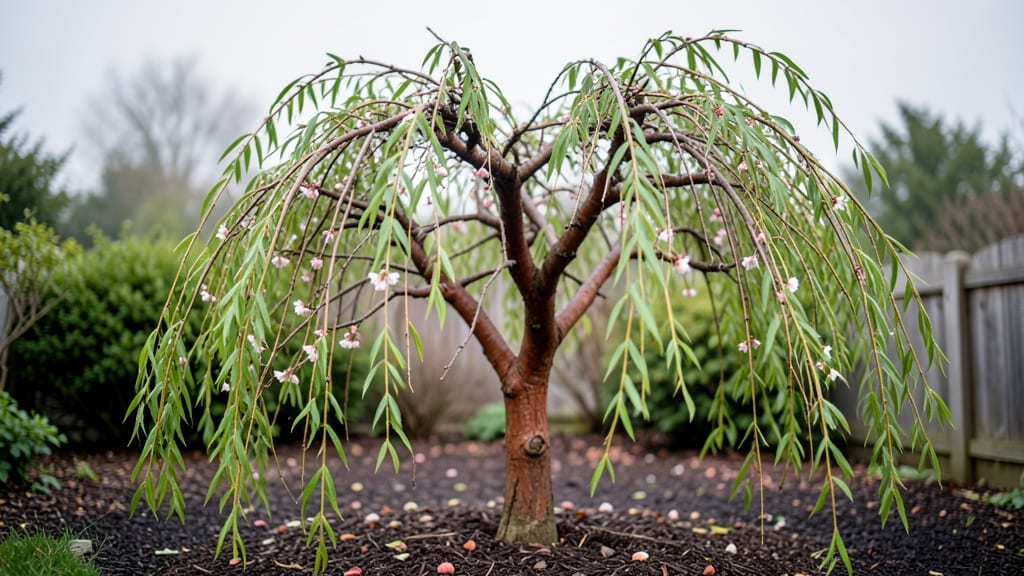
Cold-hardy weeping peach trees bring a dreamy, cascading beauty to your yard—but only if you pick the right variety for your zone. 🌱 I’ve planted three different types over the years, and the ones that survive our Zone 5 winters with barely a scratch are the ones I keep recommending to friends.
The secret isn’t just the variety—it’s matching the tree to your microclimate. Southern exposure, well-draining soil, and a little winter protection can push a Zone 6 peach just far enough to thrive in Zone 5.
My ‘Bonanza’ weeping peach, for example, has survived winters where others have failed, thanks to a thick mulch and a simple burlap wrap. By late spring, you’ll see those delicate pink blooms and the promise of sweet, juicy fruit—if you prune correctly and protect the blossoms from late frosts.
The payoff? A tree that looks like a fairy tale in summer and still stands tall through winter. Works in Zones 5-8 with the right care. Here’s how to set yours up for success!
📚 In This Guide
- What you need
- Instructions
- Tips and common mistakes
- Wrapping up and next steps
What you need
- ● Cold-hardy weeping peach tree saplings: Choose Prunus persica varieties like ‘Bonanza’ or ‘Redhaven’ (ensure they’re labeled for your USDA Zone 5-7). Quantity: 1 per planting spot.
- ○ High-quality potting soil: 2-3 bags (sterilized, well-draining mix with compost). Optional: Add 1 bag of perlite for aeration.
- ● Organic mulch: 2-3 cubic feet (wood chips or straw to retain moisture).
- ● Slow-release fertilizer: 10-10-10 or 5-10-10 blend (follow label for dosage).
- ○ Pruning shears: Bypass pruners (sharp, 6-8” blade) for clean cuts. Optional: Loppers for thicker branches.
- ● Garden gloves: Heavy-duty (nitrile-coated for thorn protection).
- ● Shovel & trowel: For planting (1 medium shovel, 1 hand trowel).
- ● Watering can/hose: With adjustable nozzle for gentle watering.
- ○ Tree stake (optional): 1-2 stakes + soft ties for young trees.
- ● Sunlight: Full sun (6+ hours/day) in a sheltered spot (avoid frost pockets).
- ● Soil test: Check pH (ideal: 6.0-7.0). Adjust with lime/sulfur if needed.
- ● Local nursery visit: Confirm tree hardiness for your Weeping Peach Tree Zone (Zones 5-7).
How to select and plant cold-hardy weeping peach trees
Here’s how to pick the right variety and get your tree growing strong in your climate zone.
🌱 Step 1: Choose a Zone-Appropriate Variety
Weeping peach trees thrive best in USDA Hardiness Zones 5-9, but your exact choice depends on winter lows. For Zones 5-6, go for ‘Bonanza’ or ‘Reliance’—both handle down to -20°F with proper winter care. In Zones 7-9, ‘Bonanza’ or ‘Redhaven’ weeping varieties perform exceptionally well.
Check your zone by zip code (USDA Plant Hardiness Zone Map) and pick a variety with a chilling requirement matching your area. Most weeping peaches need 300-500 hours below 45°F annually. If you’re in a warmer microclimate, avoid low-chill varieties—they’ll bloom poorly and produce sparse fruit.
☀️ Step 2: Plant in the Right Location and Timing
Choose a spot with full sun (6+ hours daily) and well-draining soil—weeping peaches hate soggy roots. The tree’s canopy should receive at least 6 hours of direct sunlight to set fruit properly. If your yard has afternoon shade, position the tree where it gets morning sun instead.
Plant in early spring (March-April) or fall (October-November), when soil is workable but not frozen. Dig a hole twice as wide as the root ball but only as deep—the graft union should sit 2-3 inches above ground level. This prevents water from pooling around the graft, which can rot the tree over time.
💧 Step 3: Water Deeply and Mulch for Winter Protection
Water deeply once a week for the first 2 months after planting, soaking the soil to 12 inches deep. Weeping peaches have shallow roots, so consistent moisture prevents stress. After establishment, water every 10-14 days unless rainfall provides 1 inch of moisture weekly. Check by sticking your finger 2 inches into the soil—if it’s dry, water.
Apply 3-4 inches of mulch (wood chips or straw) around the base, keeping it 6 inches away from the trunk. This insulates roots in winter and retains moisture in summer. In Zones 5-6, wrap the trunk with burlap or tree guards in late fall to shield against winter sunburn, which can scorch bark in cold, dry conditions.
✂️ Step 4: Prune for Shape and Airflow
Prune in late winter (before buds swell) to remove dead, crossing, or inward-growing branches. Weeping peaches benefit from open-center pruning—this improves airflow and sunlight penetration, reducing disease risk. Cut back last year’s growth by 1/3 to encourage new, fruiting wood.
Thin out suckers (shoots from the base) and water sprouts (vertical shoots) aggressively. These compete with the main canopy for nutrients. After pruning, apply a fruit tree spray (copper fungicide) to prevent brown rot, a common peach disease. Watch for aphids or peach tree borers—treat early with neem oil if you spot damage.
⏰ Step 5: Winterize for Cold Protection
In Zones 5-6, wrap the trunk and scaffold branches with burlap or tree wrap in late fall to prevent sunscald. Remove it in early spring before buds swell. For young trees (under 3 years), mound 6-8 inches of soil around the base in winter—this adds insulation against freeze-thaw cycles.
Apply a thin layer of anti-desiccant spray (like Wilt-Pruf) in late fall to protect leaves and branches from winter drying. Avoid heavy applications—too much can smother buds. In Zone 7 and below, consider winter irrigation (slow drip) if your area gets prolonged dry spells during dormancy.
Tips & tricks for planting cold-hardy weeping peaches
Here's what I've learned after helping clients grow thriving weeping peach trees across different climates—these details make all the difference.
Variety Selection: When choosing between ‘Bonanza’ and ‘Reliance’ for Zones 5-6, I always opt for ‘Reliance’ if you experience sudden cold snaps below -20°F. Its dense canopy retains more heat around the fruit, which matters during late spring frosts. For Zones 7-9, ‘Redhaven’ produces slightly larger fruit but needs consistent chilling hours—verify your local winter patterns before committing.
Planting Timing: The early spring window (March-April) is ideal, but I've found fall planting works even better in Zones 7-9 where winters are milder. The tree establishes roots before summer heat arrives, giving it a stronger start. Just avoid planting when soil temperatures drop below 50°F—roots won't develop properly in cold conditions.
Winter Protection: For young trees in Zones 5-6, I double up on protection: wrap the trunk with burlap AND mound an extra 2-3 inches of soil around the base after the initial 6-8 inches. This creates a thermal barrier that prevents root heaving during freeze-thaw cycles. Remove the soil mound in early spring once consistent warmth returns.
Pruning Insight: When pruning in late winter, focus on removing branches that grow toward the center—they'll block sunlight from reaching inner fruit. I also make sure to cut back water sprouts to within 1/8 inch of their origin point, which prevents them from regrowing. This aggressive approach keeps your tree's shape perfect for weeping varieties.
Pro Tips for Weeping Peach Tree Zone
- Here's what I've learned after helping clients grow thriving weeping peach trees across different climates—these details make all the difference.
- Variety Selection: When choosing between ‘Bonanza’ and ‘Reliance’ for Zones 5-6, I always opt for ‘Reliance’ if you experience sudden cold snaps below -20°F.
- Planting Timing: The early spring window (March-April) is ideal, but I've found fall planting works even better in Zones 7-9 where winters are milder.
Frequently asked questions
Got questions about growing weeping peach trees in your Weeping Peach Tree Zone? You’re not alone! Here are answers to the most common concerns—from planting tips to troubleshooting—so you can nurture a stunning, cold-hardy tree with confidence.
What’s the best time to plant a weeping peach tree in my zone?
Plant your weeping peach tree in early spring (after the last frost) or fall (4–6 weeks before the first frost). This gives roots time to establish before extreme temperatures. Avoid planting in summer’s heat or winter’s freeze—both stress young trees.
How cold can weeping peach trees tolerate?
Most weeping peach varieties handle 10°F to 15°F (-12°C to -9°C), but some cold-hardy picks (like ‘Reliance’ or ‘Contender’) survive down to 0°F (-18°C). Check your zone’s USDA Plant Hardiness Map and choose a variety labeled for your area.
Will a weeping peach tree produce fruit reliably in my zone?
Yes! While fruit production may be smaller in colder zones, varieties like ‘Honey Babe’ or ‘Redhaven’ (dwarf weeping forms) still yield sweet, juicy peaches. Expect partial crops in harsh winters, but consistent care (water, pruning, mulch) boosts resilience.
Can I grow a weeping peach tree in a container?
Dwarf weeping varieties (like ‘Bonanza’) thrive in 15–20 gallon pots with well-draining soil. Use a fast-draining mix (add perlite/pumice) and move containers to protected spots in winter. Just know: container trees need more frequent watering and may produce fewer fruits than in-ground plants.
What pests or diseases should I watch for in my zone?
Common threats include:
- Peach leaf curl (fungus): Treat with copper fungicide in late fall/winter.
- Japanese beetles: Handpick or use neem oil sprays.
- Borers: Prune infested branches and apply beneficial nematodes.
How often should I prune a weeping peach tree?
Prune once a year in late winter/early spring (before buds swell) to shape the tree and remove dead wood. Weeping varieties need light pruning—focus on opening the canopy for airflow. Avoid heavy cuts, which stress the tree. Sterilize tools with rubbing alcohol between cuts!
Wrapping up and next steps
Discovering the perfect weeping peach tree for your Zone doesn’t have to be a challenge—it just takes the right knowledge! 🌳 From cold-hardy varieties like ‘Contender’ and ‘Reliance’ to tips on pruning and care, you’re now equipped to cultivate a stunning, low-maintenance tree that thrives in your climate.
Whether you’re a seasoned gardener or just starting, these varieties bring beauty, fruit, and resilience to your landscape.
Ready to plant your own weeping peach masterpiece? Start by researching local nurseries or online seed suppliers to find your chosen variety. Dig in, nurture, and enjoy the sweet rewards! 🍑✨