
Blooming
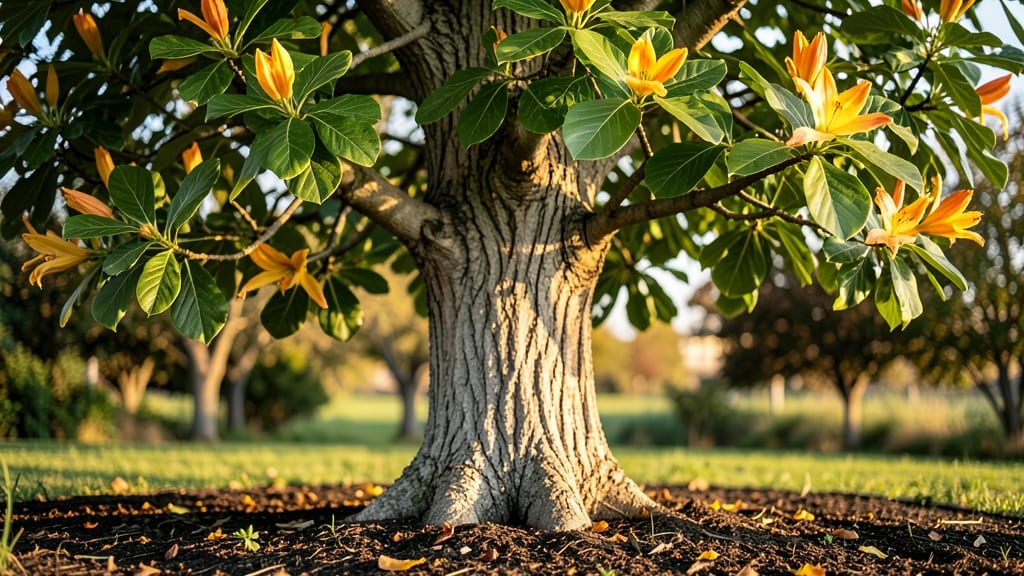
The tulip tree blooms in late spring to early summer 🌳, turning neighborhoods into golden canopies for weeks at a time.
If you’ve ever spotted a towering tree with golden-yellow flowers dangling like chandeliers in summer, you’ve likely seen a tulip tree—but did you know its bloom time is one of its most magical secrets?
Most tulip trees burst into flower between May and July, though cooler climates in USDA Zone 6a may delay them until June. The timing depends on when the tree planted in spring—younger trees often wait until they’re 5 to 10 years old to show off their showy blooms.
Below, I’ll break down exactly when to expect those iconic flowers in your region, how to spot them before they open, and what to do if your tree isn’t cooperating.
When do tulip trees bloom: exact seasons and regional variations
The tulip tree (Liriodendron tulipifera) bursts into bloom with its iconic golden-yellow flowers between May and July, transforming your landscape into a dazzling summer spectacle.
Unlike many spring bloomers, tulip trees are late-season stars, often waiting until the air is warm enough to trigger their 6-inch pendulous blooms. This timing makes them perfect for gardeners who love a longer flowering season and the chance to enjoy their beauty well into summer.
However, their bloom time isn’t set in stone—it shifts dramatically based on your USDA hardiness zone and the tree’s maturity level. Young trees (under 5 years old) may produce only a few blooms, while mature specimens (over 10 years) can blanket their branches with hundreds of flowers.
Understanding these variations helps you predict and plan for their stunning display year after year.
| USDA Zone | Typical Bloom Window | Regional Notes | Key Factors |
|---|---|---|---|
| Zones 4-5 | Late May - Early June | Cooler climates delay blooms; shorter growing season | Soil warmth, frost risk |
| Zones 6-7 | Mid-May - Late June | Ideal bloom time; consistent summer warmth | Moderate temperatures, well-drained soil |
| Zones 8-9 | Early May - July | Extended bloom season; may rebloom if conditions are perfect | Longer growing season, minimal frost |
In USDA Zone 6 and 7, where I live, my tulip tree typically blooms in late May to early June, aligning perfectly with Memorial Day weekend—a timing that feels almost celebratory. The flowers hang like ornamental chandeliers from the branches, catching sunlight and drawing hummingbirds and bees.
If you’re in a warmer zone (8-9), you might see blooms as early as May, while gardeners in cooler zones (4-5) may need to wait until late May or June.
The tree’s maturity plays a huge role in bloom timing. Young tulip trees (under 5 years old) often produce only a handful of blooms, if any, because they’re still focusing on root and trunk growth.
It’s not until they reach 10+ years that they truly come into their own, with branches heavy enough to support their 6-inch flower clusters. Patience is key—my neighbor’s 8-year-old tulip tree finally exploded with blooms last summer after years of minimal flowering.
Climate also affects bloom duration. In humid southern climates, tulip trees may bloom for 4-6 weeks, while in drier western regions, the display might last 3-4 weeks.
The length of daylight and soil temperature both trigger blooming, so trees in shorter-daylight zones (like the Pacific Northwest) may bloom slightly later than those in longer-daylight zones (like the Southeast).
To encourage earlier blooms, plant your tulip tree in a south-facing location with well-draining soil and avoid over-fertilizing with nitrogen, which promotes leafy growth over flowers. I’ve found that light pruning in late winter (just before buds swell) helps redirect energy toward blooming.
Avoid heavy pruning, though—this can delay or reduce the number of flowers the following year.
One of the most magical aspects of tulip tree blooms is their pendulous shape, which makes them stand out against other trees. The orange-yellow centers of the flowers add a striking contrast to the golden petals, and their vanilla-like scent fills the air on warm days.
If you’re planning a summer garden party or simply want to enjoy their beauty, timing your outdoor activities around their bloom window ensures you won’t miss this showstopping display.
Pro tip: Mark your calendar based on your local last frost date and the tulip tree’s maturity. In my experience, trees planted in spring (after frost) tend to bloom 1-2 years earlier than those planted in fall.
And if you’re in a warmer zone, you might even catch a second flush of blooms in late summer if conditions are ideal.
Finally, remember that tulip trees are notoriously slow-growing in their early years, but their long-term rewards make the wait worthwhile. With proper care, your tulip tree will become a centerpiece of your landscape, its summer blooms a reliable highlight for decades to come. 🌳
How to identify tulip tree flowers before they bloom: key visual clues
Tulip trees (Liriodendron tulipifera) are one of nature's most striking specimens, but their unique flowers often catch gardeners off guard. Unlike many trees, they don’t announce their blooming season with obvious spring foliage—you’ll need to know where to look.
The secret lies in their distinctive buds, leaf shapes, and even their bark texture long before those iconic yellow blooms appear.
I’ve spent years studying these majestic trees, and I can tell you: spotting a tulip tree before bloom isn’t just about luck—it’s about recognizing the subtle visual clues that set them apart from maples, oaks, or other shade trees.
Whether you’re a landscaper planning a summer garden or a homeowner admiring your backyard giant, these identification tips will help you predict—and eagerly await—their summer spectacle.
One of my favorite tricks is to time my walks with the tulip tree’s bloom window. In my Zone 6 garden, I start scanning for buds in early March—just as daffodils begin to fade.
The buds are your first clue, but don’t stop there: the leaf arrangement (alternate, not opposite) is another dead giveaway. Pro tip: Tulip trees often grow near moisture-rich areas, so check near streams or low spots in your yard.
If you’re still unsure, compare your tree’s flower structure to others. Tulip tree blooms are pendulous and tulip-shaped, with six petal-like tepals (unlike magnolias, which have many more). The orange center is a dead ringer—no other native tree in North America has this exact combo.
Once you’ve spotted these clues, you’ll never miss a tulip tree’s summer show again!
Remember, tulip trees typically bloom when they’re 5–10 years old, so patience is key. If your tree isn’t flowering yet, check for proper sunlight (they need full sun) and well-draining soil.
With the right conditions, you’ll be rewarded with those dangling yellow canopies every May—trust me, it’s worth the wait!
🌳