
Pruning
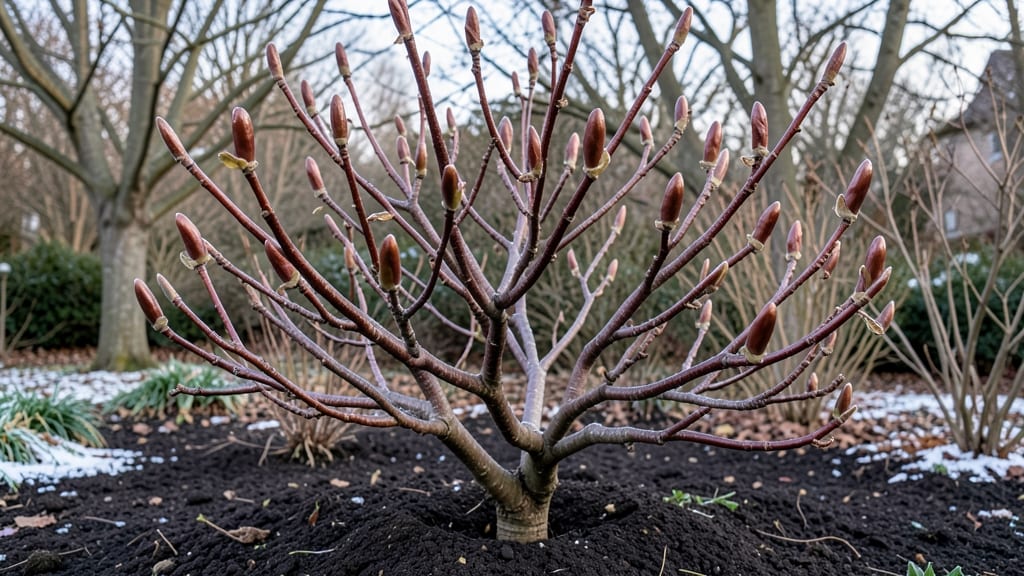
Those swollen magnolia buds in winter aren’t just waiting—they’re storing energy for next year’s showstopping blooms. 🌸 I’ve watched my own magnolia tree go from bare branches to a canopy of pink and white in just two months, all because of what I learned about winter care.
The buds look dormant, but they’re actually preparing for spring. A light frost won’t harm them, but heavy ice or prolonged cold snaps can cause damage. That’s why I prune lightly in late winter—just enough to shape the tree without disturbing the buds’ energy reserves.
By spring, you’ll see those buds burst into life, revealing fresh leaves and flowers. The key is patience and gentle care—no drastic cuts, no overwatering, just letting nature do its work while you give your tree a little protection.
Works for all magnolia varieties, from Southern magnolias to star magnolias. Here’s how to keep them healthy through the cold months.
📚 In This Guide
- What you need
- Instructions
- Tips and common mistakes
- Wrapping up and next steps
What you need
- ● Pruning shears: Sharp, bypass-style shears (for cuts up to ½ inch thick). Example: Fiskars PowerGear or Felco F-2.
- ● Loppers: Bypass loppers (for branches ½–1.5 inches thick). Example: Corona 3-in-1 Lopper.
- ● Pruning saw: Curved-tooth saw (for branches >1.5 inches thick). Example: Felco F-20.
- ● Disinfectant: 70% isopropyl alcohol or rubbing alcohol (for sterilizing tools between cuts).
- ● Gloves: Heavy-duty, cut-resistant gloves (e.g., Mechanix Wear or garden-specific gloves).
- ● Safety glasses: ANSI-rated for debris protection.
- ○ Ladder (optional): Extendable aluminum ladder (if tree exceeds 6 feet). Safety tip: Use a stabilizer for high branches!
- ● Weather: Choose a dry, frost-free day (ideal temp: 40–60°F). Avoid pruning after rain.
- ● Tree health check: Inspect buds for pests/disease (e.g., scale, powdery mildew). Treat if needed before pruning.
- ● Cleanup supplies: Heavy-duty trash bags (for debris).
- ● Rake or leaf blower (to clear fallen branches).
- ○ Optional: Pruning sealant (e.g., Tanglefoot Tree Wound Pruning Seal) for large cuts (>2 inches).
- ● Marking spray (for labeling cuts if shaping complex branches).
How to prune magnolia buds in winter for healthier spring blooms
Winter's the perfect time to shape your magnolia—here's how to do it right without harming next year's flowers.
🌿 Step 1: Identify and Locate the Flower Buds
Magnolia flower buds form in late summer and remain dormant through winter. Look for large, rounded buds along last year's growth—they're usually 1-2 inches long and covered in fuzzy, papery scales. These are your terminal buds, where next spring's blooms will emerge.
Don't confuse them with smaller, pointed vegetative buds (these grow leaves, not flowers). The key is size and shape—flower buds are plump and rounded, while leaf buds are tapered. Mark these buds with a soft cloth tag or a dab of paint if you're unsure, so you don't accidentally prune them off.
✂️ Step 2: Prune for Structure and Airflow
Use clean, sharp pruning shears to remove dead, crossing, or rubbing branches first. Cut just outside the bud union (the swollen area where a bud meets the stem) at a 45-degree angle. This encourages new growth from the right spot.
Open the canopy by thinning overcrowded branches—aim for 6-8 inches of space between branches to improve airflow. Never remove more than 25% of the tree's foliage in one season, or you risk shocking the magnolia. Focus on removing inward-growing branches that compete with stronger limbs.
🌱 Step 3: Shape for Future Blooms
Magnolias bloom on old wood, meaning this year's pruning affects next year's flowers. Avoid cutting back last year's growth where flower buds are forming—those buds are already set for spring. Instead, prune older stems (3+ years) to encourage new, vigorous growth that will bear next year's buds.
Step back and visualize the tree's natural shape. Remove branches that grow straight up or downward—these create weak attachment points. Leave outward-facing branches to create a balanced silhouette. If a branch is larger than your wrist, call an arborist—these require special techniques.
💧 Step 4: Clean Up and Protect the Tree
After pruning, sterilize your tools with 70% isopropyl alcohol to prevent spreading disease. Collect and dispose of clippings immediately—don't leave them under the tree, as they can harbor pests.
Apply a 2-inch layer of mulch (like pine bark) around the base, keeping it 6 inches away from the trunk. This insulates roots and retains moisture. Water deeply but infrequently—magnolias hate soggy roots. A slow, deep watering every 2-3 weeks in winter keeps them hydrated without overdoing it.
⏰ Step 5: Monitor and Adjust for Spring
In late winter, check for new growth—this means your pruning worked. If you see sap oozing from cuts, it's normal, but if it's heavy or discolored, you may have cut into a major vessel. Keep an eye out for bud swell in early spring, which signals the tree is preparing to bloom.
Real talk: If you accidentally pruned a flower bud, don't panic. Magnolias are resilient—just focus on encouraging strong new growth this year, and next spring's buds will compensate. The goal is balance, not perfection.
Tips & tricks for pruning magnolia buds in winter
Winter pruning can transform your magnolia into a showstopper next spring—here's how to avoid common pitfalls and get it right the first time.
Bud Identification: I learned this the hard way after accidentally pruning off flower buds I didn't recognize. For foolproof identification, look for the fuzzy, papery scales covering flower buds—vegetative buds are smooth and tapered. If you're still unsure, use a soft cloth tag or dab of paint to mark them before you start cutting. This simple step saved me from pruning off next year's blooms!
Pruning Technique: The 45-degree angle cut just outside the bud union is crucial—it prevents water from pooling and causing rot. I recommend practicing on smaller branches first to get comfortable with this technique. Also, never cut more than 25% of the foliage at once; magnolias are sensitive to drastic changes. Think of it like a haircut—you wouldn't shave your head in one session!
Seasonal Timing: Winter's the perfect time because the tree is dormant, but don't wait until late winter when buds start swelling. Early to mid-winter gives you the best window. I usually start pruning right after the first hard frost, when the tree has settled into dormancy but before spring growth begins. This timing ensures you're not interfering with the tree's natural cycle.
Equipment Essentials: Sharp pruning shears are non-negotiable—dull blades tear wood and create jagged cuts that invite disease. I sterilize my tools with 70% isopropyl alcohol before and after each use, especially when working with multiple trees. For larger branches, consider borrowing an arborist's saw or pole pruner—your back will thank you!
Pro Tips for Magnolia Tree Buds In Winter
- Winter pruning can transform your magnolia into a showstopper next spring—here's how to avoid common pitfalls and get...
- Bud Identification: I learned this the hard way after accidentally pruning off flower buds I didn't recognize. For fo...
- Pruning Technique: The 45-degree angle cut just outside the bud union is crucial—it prevents water from pooling and c...
Frequently asked questions
about magnolia tree buds in winter—because even dormant trees have stories to tell! Whether you're a pruning pro or a curious beginner, these answers will help you navigate the chilly season with confidence.Why shouldn’t I prune my magnolia tree in late winter?
Late winter (February–March) is the worst time to prune magnolias—especially if frost is still a threat. Pruning too early can stimulate new growth, which is vulnerable to late frosts and can weaken the tree. Wait until after the last frost (typically late March–April) for optimal healing and bloom protection.
Can I prune magnolia buds if they’re still swollen but not open?
Yes! Prune only dead, diseased, or crossing branches in winter (December–February). Healthy swollen buds indicate next year’s blooms—never cut them. Focus on shaping and removing last year’s seed pods or weak growth. Pro tip: Use sharp bypass pruners for clean cuts!
Will pruning in winter affect my magnolia’s spring blooms?
Pruning in winter won’t directly harm spring blooms if done correctly. However, heavy pruning can reduce flower production that season. Limit cuts to 10–15% of the canopy. For maximum blooms, prioritize light maintenance—removing only deadwood or crossing branches. Patience pays off!
What should I do if my magnolia’s buds turn black or mushy?
Black/mushy buds signal bud blight or frost damage. Prune affected buds immediately with sterilized tools (rubbing alcohol works). Improve airflow by thinning dense branches. In future winters, mulch the base (3–4 inches) for insulation. Avoid overhead watering to prevent fungal spread.
Are there winter alternatives if I can’t prune now?
While pruning waits for spring, you can:
- Clean up: Remove fallen leaves/debris to reduce pests.
- Inspect: Check for signs of disease or pests (like scale).
- Mulch: Add organic mulch to protect roots from freeze-thaw cycles.
- Plan: Sketch your pruning goals—mark branches to remove in spring.
Wrapping up and next steps
Winter is the perfect time to give your magnolia tree the care it needs to burst into stunning spring blooms!
By pruning dormant buds thoughtfully—focusing on shape, dead wood, and strategic cuts—you’re setting the stage for a healthier, more vibrant tree. Remember, patience and precision pay off—your efforts will reward you with lush foliage and breathtaking flowers come spring.
Ready to take action? Grab your pruners, review your notes, and schedule your pruning session on a calm winter day. Your magnolia will thank you—and so will your garden! 🌸✂️