
Pruning
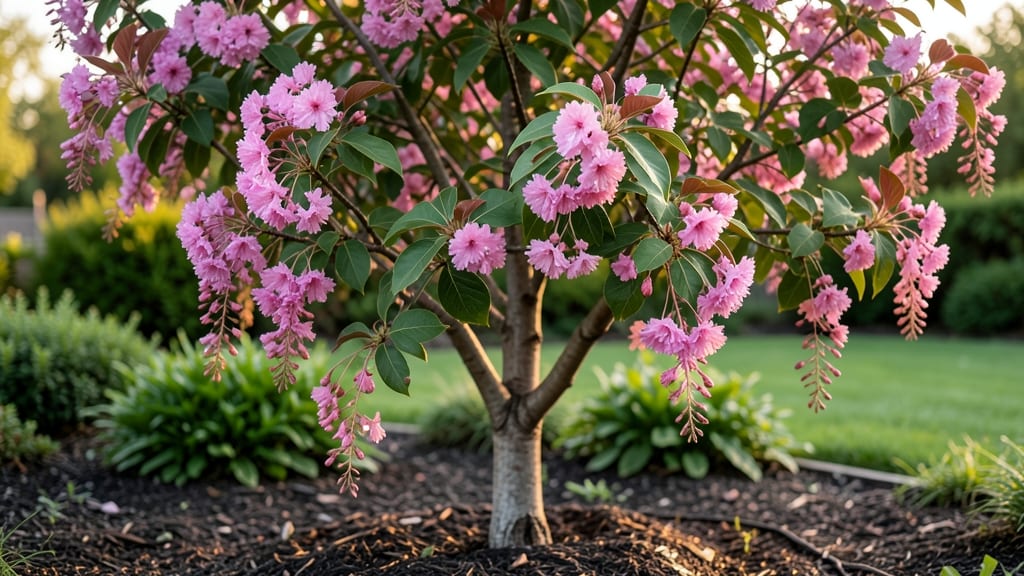
The pink flower clusters of a Cercis canadensis 'Forest Pansy' transform spring into a dreamy pink haze. 🌸 I first fell for this tree when its magenta blooms appeared like a surprise party for the garden—soft, abundant, and impossible to ignore.
Unlike many spring bloomers that fade fast, these clusters linger for weeks, turning into heart-shaped leaves that deepen to a rich purple-bronze. This tree thrives in partial shade, making it perfect for understory planting or as a focal point near patios where you can enjoy its fragrance up close.
Pair it with white azaleas for contrast or let it stand alone as a statement piece—its layered branches create natural movement even when not in bloom. The bark adds winter interest, so you get year-round appeal without extra effort.
What makes it truly special is how it softens hard edges in landscapes. Line a driveway with one for a romantic entrance, or tuck it into a mixed border where its cascading blooms spill over garden beds.
The key is planting where its roots can spread comfortably—no need for fancy soil, just good drainage and a spot where it won’t compete with thirsty neighbors. For maximum impact, consider a Prunus serrulata 'Kanzan' nearby—its dramatic pink cherry blossoms will echo the color palette while adding height.
Together, they create a seasonal show that starts in spring and lingers through summer foliage. The best part? Both trees handle pruning like pros, so you can shape them without stress.
📚 In This Guide
- What you need
- Instructions
- Tips and common mistakes
- Wrapping up and next steps
What you need
- ● Tree sapling or bare-root plant: Choose a healthy, disease-free specimen (1–3 years old, depending on desired maturity). Pro tip: 🌡️ Opt for locally sourced plants for better climate adaptation!
- ● High-quality potting soil or native garden soil: 5–10 gallons (adjust based on pot size or planting hole). Amend with compost (2–3 cups) for nutrient-rich growth.
- ○ Organic fertilizer: Slow-release, balanced formula (10-10-10 or similar) for planting. Optional: Add bone meal (1 cup) for phosphorus boost.
- ● Mulch: 2–3 inches of wood chips or pine straw to retain moisture and suppress weeds.
- ● Garden trowel or shovel (for planting)
- ● Pruning shears or loppers (sharp, bypass-style for clean cuts)
- ● Gloves (gardening or work gloves for protection)
- ● Watering can or hose with nozzle (gentle spray setting for new plants)
- ● Measuring tape (to mark planting depth and spacing)
- ○ Optional: Tree stakes (2–4) + soft ties (for young trees in windy areas).
- ● Sunlight: Confirm your tree’s light needs (most pink-flowering trees thrive in full sun to partial shade).
- ● Spacious planting site: Ensure 6–10 feet of clearance from structures, sidewalks, or other plants (adjust for mature size).
- ● Water source: Access to consistent watering for the first 2–3 years (deep watering 2–3x/week).
- ● Season timing: Plant in early spring or fall (avoid extreme heat or frost).
How to plant and care for a tree with pink flower clusters
Here's how to bring lasting color to your garden with a stunning tree that blooms reliably year after year.
🌱 Step 1: Choose the Right Tree for Your Climate and Space
Start with a Japanese cherry tree or crabapple for reliable pink clusters—both thrive in USDA zones 5-9. Measure your space first: mature trees need 20-30 feet of clearance. Dig a hole twice as wide as the root ball but no deeper, since planting too deep suffocates roots. I always test soil drainage by filling the hole with water and waiting for it to drain completely before planting.
Amend heavy clay soil with 2-3 inches of compost mixed into the bottom of the hole. This prevents waterlogging, which causes root rot. If your soil is sandy, add a handful of peat moss to help retain moisture. The goal is loose, well-draining soil that mimics the tree's natural habitat.
☀️ Step 2: Plant at the Right Time and Position
Fall is ideal for planting—4-6 weeks before first frost—when roots establish before winter. Position the tree where it gets full sun (6+ hours daily) but avoids harsh afternoon winds. I mark the planting spot with a stake before digging to ensure accurate placement.
Remove the tree from its container and loosen any circling roots gently with your fingers. Place it in the hole so the top of the root ball sits 1-2 inches above ground level—this prevents settling that could bury the trunk. Backfill with native soil, tamping lightly every 6 inches to remove air pockets. Water deeply to settle the soil around roots.
💧 Step 3: Water and Mulch for First-Year Establishment
Water deeply twice weekly for the first year, providing 1-2 gallons per week depending on rainfall. You'll know it's enough when water drains 6-8 inches deep. Overwatering now causes root rot, while underwatering stresses young trees. I use a soaker hose to deliver moisture slowly at the base.
Spread 3-4 inches of mulch (wood chips or bark) in a 3-foot diameter ring around the tree, keeping it 6 inches away from the trunk. This conserves moisture and regulates soil temperature. Refresh mulch annually in early spring—never let it pile against the trunk, which traps moisture and invites pests.
✂️ Step 4: Prune for Health and Bloom
Prune in late winter (dormant season) to shape the tree and encourage robust blooms. Remove dead, crossing, or inward-growing branches first—these compete for energy. Cut just outside the branch collar (the swollen area where the branch meets the trunk) with clean, sharp pruners. I sterilize tools with rubbing alcohol between cuts to prevent disease spread.
Thin out 10-15% of the canopy to improve air circulation, which reduces fungal diseases. Avoid heavy pruning—never remove more than 25% of the foliage in one season. The goal is to maintain an open, vase-like shape that lets sunlight reach inner branches, where next year's pink flower clusters will form.
🌿 Step 5: Fertilize and Monitor for Year-Round Health
Apply a balanced, slow-release fertilizer (10-10-10) in early spring as new growth emerges. Follow package rates—overfertilizing burns roots and encourages weak, leafy growth at the expense of flowers. I scatter granules 6 inches from the trunk and water deeply to activate them.
Watch for aphids or scale insects on new shoots—they suck sap and weaken blooms. Spray with neem oil (1 tablespoon per gallon of water) at the first sign of pests. Healthy trees need no pesticides if you prune regularly and water consistently. By year three, your tree should burst with vibrant pink clusters that last 4-6 weeks each spring.
Tips & tricks for perfect tree planting with pink flower clusters
These simple strategies ensure your tree thrives and delivers stunning blooms for years to come.
Soil Preparation Secret: Before planting, test your soil's drainage by filling the hole with water and waiting for it to drain completely. If water pools after 30 minutes, amend the soil with 2-3 inches of compost mixed into the bottom of the hole. For sandy soil, add a handful of peat moss to help retain moisture without suffocating roots. This mimics the tree's natural habitat and prevents root rot—especially critical for Japanese cherry trees and crabapples.
Planting Position Pro Tip: Mark your planting spot with a stake before digging to ensure accurate placement. Position your tree where it gets full sun (6+ hours daily) but avoids harsh afternoon winds, which can stress young trees. I always aim for a location that gets morning sun and afternoon shade, especially in hotter climates where USDA zones 5-9 can experience intense afternoon heat.
Watering Wisdom: When watering deeply twice weekly, check if water drains 6-8 inches deep—this is your cue that roots are getting the moisture they need. Overwatering causes root rot, while underwatering stresses young trees. I use a soaker hose to deliver moisture slowly at the base, which prevents evaporation and ensures roots absorb water efficiently.
Pruning Precision: When pruning in late winter, focus on removing dead, crossing, or inward-growing branches first. These compete for energy and can block sunlight from reaching inner branches where next year's pink flower clusters will form. Always cut just outside the branch collar, and sterilize your pruners with rubbing alcohol between cuts to prevent disease spread. Thin out 10-15% of the canopy to improve air circulation, which reduces fungal diseases and encourages healthier blooms.
Pro Tips for Tree With Pink Flower Clusters
- These simple strategies ensure your tree thrives and delivers stunning blooms for years to come.
- Soil Preparation Secret: Before planting, test your soil's drainage by filling the hole with water and waiting for it to drain completely.
- Planting Position Pro Tip: Mark your planting spot with a stake before digging to ensure accurate placement.
Frequently asked questions
Got questions about nurturing a stunning tree with pink flower clusters? You’re not alone! Here are answers to the most common queries—from planting to pruning—so your garden stays vibrant all year.
What’s the best time to plant a tree with pink flower clusters?
For optimal growth, plant in early spring (just before buds swell) or fall (6–8 weeks before frost). Avoid extreme heat or cold—these trees dislike transplant shock. If you’re in a mild climate, late winter works too!
How do I prune to encourage more pink blooms?
Prune right after flowering (late spring/early summer) to avoid cutting off next year’s buds. Remove dead, crossing, or crowded branches first, then thin selectively. Never prune more than 25% of the canopy at once—gradual shaping keeps your tree healthy and blooming!
Can these trees handle full sun or shade?
Most thrive in full sun (6+ hours/day), but some varieties (like Fothergilla) tolerate partial shade. Check your tree’s label! If leaves yellow or flowers fade, it might need more light. Morning sun + afternoon shade is ideal in hot climates.
Are pink-flowering trees prone to pests or diseases?
Generally hardy, but watch for aphids, spider mites, or powdery mildew (common in humid areas). Treat early with neem oil or insecticidal soap. Overwatering causes root rot—ensure well-draining soil. Prune for airflow to prevent fungal issues.
What’s a great low-maintenance alternative if I want pink flowers?
Try Viburnum (e.g., Viburnum bodnantense—winter blooms!) or Coralberry (Symphoricarpos orbiculatus), both drought-tolerant and pest-resistant. For shrubs, Weigela offers bold pink clusters with minimal fuss. All three thrive in similar conditions!
Why aren’t my pink flowers opening this year?
Possible culprits: late frost (damaged buds), over-fertilizing (too much nitrogen = fewer blooms), or stress (drought/poor soil). Check for bud swell in spring—if they’re brown/mushy, frost hit them. Adjust care and wait for next season’s blooms!
Wrapping up and next steps
Discovering a tree with pink flower clusters can transform your garden into a vibrant, year-round sanctuary—no green thumb required! 🌸 These stunning trees offer beauty, resilience, and low-maintenance charm, making them perfect for any outdoor space.
Whether you’re a seasoned gardener or just starting, their adaptability and striking blooms prove that nature’s best designs are effortless.
Ready to bring this floral magic to your yard? Start small: research your local climate, pick a variety that suits your space, and take the first step toward a garden that blooms with joy (and color!) all year. Happy planting! 🌱