
Landscaping
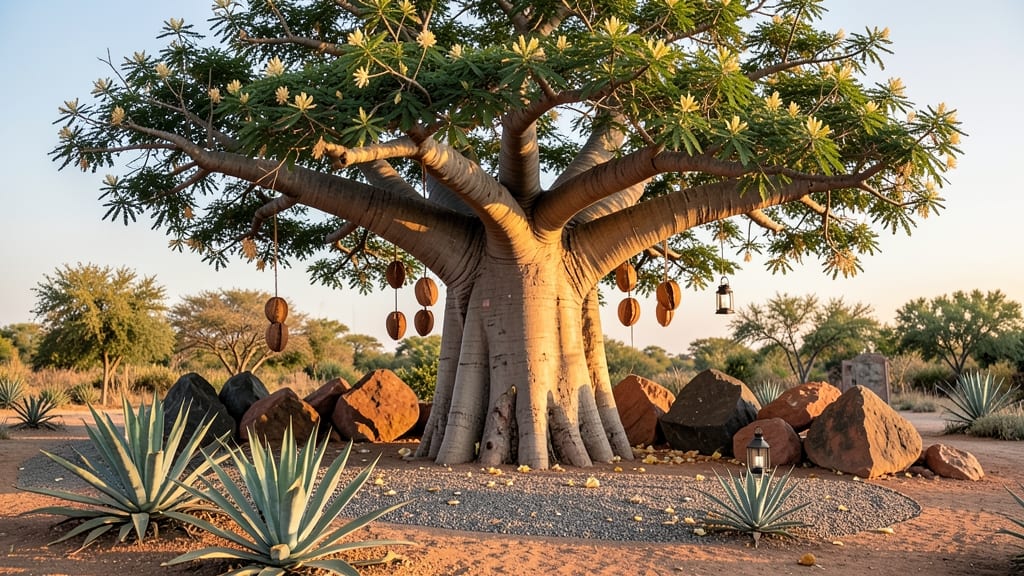
A Tree of Life landscape isn't just a garden—it's a living tapestry that tells a story of resilience, beauty, and connection. 🌿 I designed mine around a baobab-inspired centerpiece, surrounded by olive trees and fruit-bearing layers that bloom year-round, creating a canopy that feels like a tropical escape.
The key? Layering plants that thrive together, from drought-resistant shrubs to vibrant ground covers that spill between stepping stones.
This design works in any climate with the right plant choices—Mediterranean, desert, or tropical. Start with a focal tree (like a dwarf baobab or olive) as your "Tree of Life" anchor, then weave in complementary plants: bougainvillea for cascading color, lavender for fragrance, and succulents for texture.
The magic happens in the year-round color layers—even in winter, your garden stays alive with deep greens, silver foliage, and occasional bursts of bloom.
By the end, you'll have a space that feels sacred yet effortless to maintain. The pathways wind naturally through the layers, and a small water feature (like a shallow dish garden) adds movement without overwhelming the design.
It’s the kind of garden that makes neighbors pause and ask, "How did you do that?"—because it’s not just planted; it’s curated.
Whether you’re working with a small courtyard or a sprawling backyard, this approach scales beautifully. The secret? Start small, focus on plant relationships, and let the design evolve over seasons. Your "Tree of Life" will become the heart of your outdoor space—functional, symbolic, and impossibly lush.
📚 In This Guide
- What you need
- Instructions
- Tips and common mistakes
- Wrapping up and next steps
What you need
- ● Tree of Life plants (Dracaena marginata) – 3-5 mature plants (12-18" tall) for a balanced look.
- ● Layering plants – Mix of 5-7 varieties, including: Tropical shrubs (e.g., Ixora, Gardenia, or Plumeria) – 3-4 plants
- ● Ground covers (e.g., Ferns, Mondo Grass, or Creeping Fig) – Enough to cover 50-70% of the base area
- ● Colorful perennials (e.g., Hibiscus, Bougainvillea, or Heliconia) – 4-6 plants
- ● Well-draining soil mix – 50 lbs (combine 60% topsoil, 30% compost, 10% perlite).
- ● Mulch – 2-3 bags (pine bark or coconut coir for moisture retention).
- ● Slow-release fertilizer – 1-2 lbs (balanced 10-10-10 or organic options like fish emulsion).
- ● Garden shovel & trowel – For planting and soil prep.
- ● Pruning shears – To shape plants and encourage bushiness.
- ● Wheelbarrow or bucket – For mixing soil and transporting materials.
- ● Hose with spray nozzle – For gentle watering (avoid overhead spraying).
- ● Measuring tape & gloves – For precision and protection.
- ● Decorative rocks or pebbles – For a polished, tropical look around the base.
- ● Drip irrigation system – Automates watering for low-maintenance care.
- ● Trellis or stakes – Supports climbing plants like Passionflower or Mandevilla.
- ● Solar-powered landscape lights – Highlights your Tree of Life after dark!
Step-by-Step instructions for creating a tree of Life landscape
Here's how to craft a lush, vibrant tropical canopy that thrives year-round with intentional layering.
🌿 Step 1: Design Your Canopy Structure
Start by selecting 4 mature trees as your foundational canopy—think pagoda tree, gumbo limbo, or royal poinciana for their dramatic foliage and shade. Space them 20-30 feet apart in a loose square or triangular formation to allow sunlight to filter through. I like to sketch the layout first, marking each tree's mature spread so branches will eventually intertwine overhead.
Consider the understory layer next—this is where the magic happens. Choose 3-4 medium-height plants like hibiscus, bird of paradise, or croton to fill the gaps between trees. These should reach 6-10 feet tall at maturity, creating a mid-canopy that softens the transition from sky to ground. The key here is varied textures: pair glossy leaves with velvety ones, and mix broadleaf shapes with feathery fronds.
🪴 Step 2: Prepare the Planting Zones
Dig 24-inch-deep holes for each tree, amending the native soil with 3 cubic feet of compost and a handful of slow-release fertilizer per hole. The extra depth encourages deep root growth, which is critical for tropical species that need stability in seasonal weather shifts. I always test soil pH first—most tropical plants prefer 6.0-7.0, so adjust with sulfur or lime if needed.
For understory plants, create 12-inch-deep planting pockets spaced 3-5 feet apart in a staggered pattern. This mimics natural forest spacing and prevents competition. Mulch each planting zone with 2-3 inches of wood chips, keeping it 6 inches away from stems to prevent rot. The mulch retains moisture while suppressing weeds—critical in the first 6-12 months while roots establish.
☀️ Step 3: Layer for Year-Round Interest
Now it's time to add the ground layer, where you'll introduce 4-6 low-growing plants like caladiums, ferns, or dwarf palmettos. These should stay under 2 feet tall and spread horizontally to fill gaps. I like to use contrasting foliage colors—think deep purple caladiums paired with chartreuse ligularia—to create visual depth. Plant these in clumps of 3-5, centering them around the base of taller plants.
Don't forget vertical accents—add 2-3 climbing plants like passionflower or morning glory to train along trellises or tree trunks. These will add seasonal blooms and movement to the scene. Water deeply after planting, then let the soil dry slightly before watering again—this prevents root rot while encouraging strong initial growth.
💧 Step 4: Establish Maintenance Routines
In the first 3 months, water trees twice weekly (more in extreme heat) and understory plants daily until they're established. After that, shift to deep watering every 5-7 days, focusing on the root zones. I use a soaker hose to deliver moisture slowly—this prevents runoff and encourages deep root development.
Fertilize trees quarterly with a balanced 10-10-10 formula, and understory plants monthly with a half-strength liquid feed. Prune lightly in late winter to remove dead or crossing branches, but avoid heavy pruning—tropical trees often respond poorly to aggressive cuts. The goal is to shape gradually, not reshape drastically.
⏰ Step 5: Monitor and Adjust Seasonally
Every 3 months, assess sunlight patterns—tropical plants need 6+ hours of filtered light daily. If you notice yellowing leaves or stunted growth, it's a sign of either too much shade or direct sunburn. Adjust by thinning out dense foliage or adding light-colored mulch to reflect excess heat in summer.
In late fall, apply a 2-inch layer of mulch to insulate roots, and in early spring, top-dress with compost to replenish nutrients. Watch for pests like scale or spider mites—tropical landscapes attract them. Treat infestations early with neem oil or insecticidal soap to protect the delicate ecosystem you're building.
Tips & tricks for perfect tree of Life landscaping
Between us, these little details make the difference between a nice garden and a breathtaking tropical oasis.
Tree Selection Wisdom: When choosing your four foundational trees in Step 1, prioritize species with fast-growing canopies like royal poinciana or gumbo limbo—their dramatic shapes create instant visual impact. I've learned the hard way that slower-growing varieties (like some figs) won't deliver that lush overhead effect within the first few years. Also, consider the mature height: a 40-foot tree planted too close will eventually shade out your understory completely.
Soil Prep Secret: The 24-inch-deep holes in Step 2 aren't just about space—they're about creating a root-friendly environment. I always mix in worm castings along with the compost for extra microbial activity, which helps roots establish faster. For heavy clay soils, add perlite or coarse sand to improve drainage, especially important for tropical species that hate soggy roots. The soil pH test is non-negotiable—most tropical plants wilt if pH strays below 6.0 or above 7.5.
Layering Strategy: In Step 3, think vertically when planting your understory—place taller plants toward the outer edges of your tree spacing and shorter ones near the center. This creates natural light filtration and prevents any single plant from becoming a "hole" in your canopy. I also recommend staggering the planting dates by 2-3 weeks so you're not dealing with mass transplant shock all at once.
Maintenance Shortcut: The 3-month seasonal assessment in Step 5 is your best friend for catching problems early. I've found that photographing your landscape every season helps track growth patterns and sunlight changes. For watering, invest in a rain gauge—it's the only way to know if you're over- or under-watering based on actual rainfall, not just your schedule.
Pro Tips for Tree Of Life Landscape
- Between us, these little details make the difference between a nice garden and a breathtaking tropical oasis.
- Tree Selection Wisdom: When choosing your four foundational trees in Step 1, prioritize species with fast-growing canopies like royal poinciana or gumbo limbo—their dramatic shapes create instant visual impact.
- Soil Prep Secret: The 24-inch-deep holes in Step 2 aren't just about space—they're about creating a root-friendly environment.
Frequently asked questions
Got questions about creating a stunning Tree of Life landscape? You’re not alone!
Here are answers to the most common queries—from design tips to maintenance hacks—so you can craft a vibrant, low-maintenance tropical oasis that thrives year-round.
What are the easiest plants to start with for a Tree of Life landscape?
Begin with hardy, drought-tolerant tropicals like Bird of Paradise, Bromeliads, or Agave for structure. Layer in colorful Ixora or Plumeria for blooms, and add ground covers like Ferns or Sweet Potato Vine for texture. These plants thrive in warm climates and require minimal fuss!
How long does it take to see a fully established Tree of Life landscape?
With proper care, you’ll notice dramatic changes in 6–12 months. Fast-growing plants like Bamboo or Palms can create instant impact, while slower growers (like Mango Trees) take 2–3 years. Mulch and consistent watering speed up the process—think of it as a living canvas that evolves beautifully over time!
Do I need to worry about overwatering my tropical plants?
Absolutely!
Most tropical plants prefer well-draining soil and consistent moisture but hate soggy roots. Water deeply 2–3 times a week (adjust for rain) and use a moisture meter or the "finger test" (stick your finger 1–2 inches into the soil—if it’s dry, water!). Mulch heavily to retain moisture and prevent weeds.
Can I create a Tree of Life landscape in a cooler climate?
Yes, but with strategic plant choices. Opt for cold-hardy tropicals like Elephant Ears, Canna Lilies, or Orchids (in containers for winter moves). Use microclimates (south-facing walls, greenhouses) to extend growing seasons. In freezing zones, container gardening lets you overwinter plants indoors or in a garage!
How do I keep pests away without harsh chemicals?
Prevent pests with healthy soil (compost + worm castings) and neem oil sprays for early signs of trouble. Encourage beneficial insects like ladybugs or lacewings by planting marigolds or basil nearby. For stubborn infestations, horticultural soap or diatomaceous earth (food-grade!) work wonders—nature’s pest control!
What’s the best way to add color layers without overwhelming the space?
Stick to the 70-20-10 rule: 70% structural plants (trees/palms), 20% mid-height bloomers (bushes, shrubs), and 10% ground covers or accent plants (like Caladiums for pops of color). Use odd-number groupings (3, 5, or 7 plants) for visual harmony—your "Tree of Life" will look intentional, not chaotic!
Wrapping up and next steps
A Tree of Life landscape isn’t just a stunning visual—it’s a living masterpiece that brings year-round color, texture, and life to your outdoor space. By layering native plants, vibrant foliage, and strategic lighting, you’ve created a thriving ecosystem that’s as functional as it is beautiful.
Whether you’re a seasoned gardener or just starting, this design proves that nature’s palette is endless!
Ready to take the next step? Sketch your dream layout or reach out to a local nursery for plant recommendations tailored to your climate. Your backyard oasis awaits—go make it bloom! 🌿✨