
Pruning
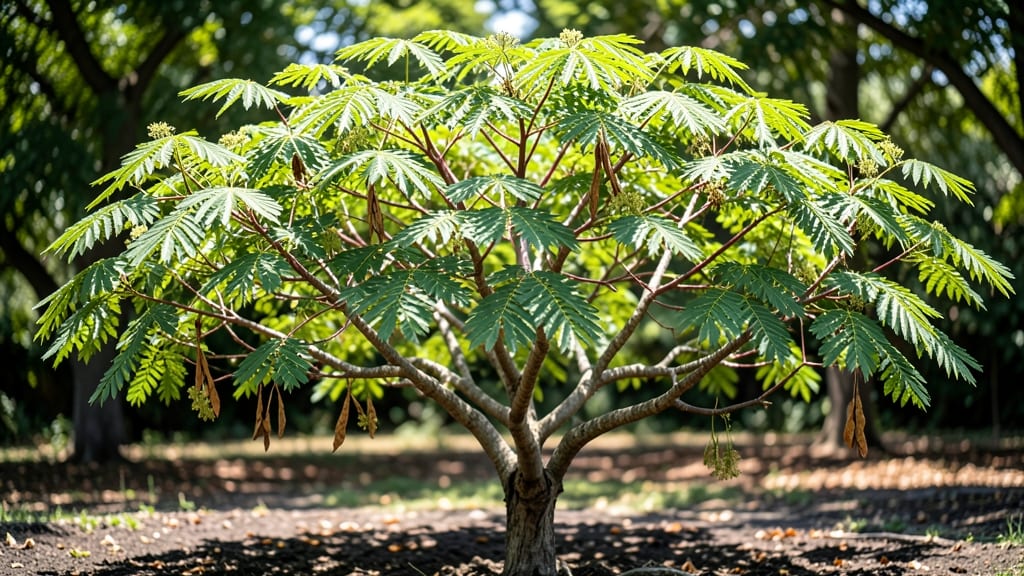
Winter pruning the Tree of Heaven can actually save you headaches all year. 🌳 Unlike most trees, this invasive species doesn't drop leaves in cold weather—so those bare branches you see aren't from frost, but from aggressive growth habits.
The key is cutting back now, before spring's aggressive new shoots take over.
You'll need sharp pruners, safety gloves, and a clear day when temps stay above 20°F. Focus on removing suckers at the base and thinning dense branches by 25-30% to improve airflow. The tree's winter dormancy makes it easier to see which branches need removal—no leaves means no guesswork.
After pruning, you'll notice fewer pests in spring (they hate the open structure) and better light penetration to the ground below. The cuts heal cleaner in winter too, reducing disease risk. Just avoid heavy pruning below 30°F—the sap can freeze and damage the tree.
This method works best in zones 4-8, where winter dormancy is reliable. For milder climates, prune in early spring instead. The goal isn't perfection—it's controlling that relentless growth before it takes over your yard.
📚 In This Guide
- What you need
- Instructions
- Tips and common mistakes
- Wrapping up and next steps
What you need
- ● Pruning shears: Bypass pruners (for cuts up to ½ inch thick) – 1 pair (look for sharp, ergonomic handles for comfort).
- ● Loppers: For branches ½ to 2 inches thick – 1 pair (choose anvil or bypass style, but bypass is gentler).
- ● Pruning saw: For thicker branches (2+ inches) – 1 medium-sized saw (curved blade for clean cuts).
- ● Gloves: Heavy-duty, cut-resistant gloves (to protect against thorns and sap) – 1 pair.
- ● Safety glasses: To shield eyes from debris – 1 pair.
- ● Ladder: Extendable or sturdy step ladder (if tree is over 6 feet tall) – 1 (ensure it’s rated for your height needs).
- ● Disposable pruning bags: For collecting and disposing of cuttings – 1-2 bags (or a tarp as an alternative).
- ● Rag or paper towels: To clean tools between cuts and wipe sap.
- ○ Pruning sealant: (Optional but helpful) – 1 small bottle (for sealing larger cuts to prevent disease).
- ● Dry, calm day: Avoid pruning after rain or in windy conditions to prevent sap splatter and ensure safety.
- ● Winter timing: Prune during dormant season (late fall to early spring)—ideal temps are between 40°F and 60°F (4°C–15°C).
- ● Sun protection: Long sleeves and sunscreen (if pruning in bright sunlight).
- ● 💡 Sharpen tools first! Dull blades tear bark—ruining the tree’s health. Use a file or sharpening stone to keep edges crisp.
- ● 🎯 Sanitize tools: Wipe blades with rubbing alcohol (70% or higher) before and after use to prevent spreading disease.
- ● 🔥 Mark your cuts: Use chalk or tape to outline branches you plan to remove for a cleaner, more intentional prune.
How to prune tree of heaven in winter for healthy growth
Winter’s the perfect time to tame this aggressive tree—here’s how to prune it back without stressing the plant.
⏰ Step 1: Time Your Pruning for Dormancy
Prune your tree of heaven after the first hard frost but before new buds swell—typically between late December and early February. This timing ensures the tree isn’t actively growing, so cuts won’t trigger excessive bleeding or stress. Look for brown, crisp leaves and no visible sap flow as your signal.
If you miss this window, wait until early spring when buds are just starting to break. Pruning too early can stimulate unwanted growth, while waiting too late risks encouraging pest activity. I always mark the date on my calendar—this tree grows back fast, and timing matters.
✂️ Step 2: Remove Dead, Diseased, or Weak Branches
Start by identifying dead wood—branches that are gray, brittle, or snap easily when bent. Use clean, sharp pruning shears (or a pruning saw for thicker branches) to make clean cuts just outside the branch collar (the swollen area where the branch meets the trunk). Avoid leaving stubs—this invites decay.
Next, remove crossing branches or those growing inward—they’ll rub against each other and create wounds. You’ll also want to cut back any branches with signs of disease (mushrooms at the base, oozing sap, or unusual discoloration). Bag and dispose of these immediately to prevent spreading spores.
🌿 Step 3: Thin the Canopy for Better Airflow
Step back and visualize the tree’s shape—aim for an open center with sunlight reaching the inner branches. Select 30-40% of the thinnest, smallest branches (about ¼-inch diameter or less) and cut them back to a healthy lateral branch or the branch collar. This reduces density and improves airflow, which is critical for preventing fungal issues.
I like to start from the bottom and work my way up—this keeps the tree’s natural shape while opening up the lower canopy. Avoid over-thinning; you want to maintain a balanced silhouette. If you’re unsure, take photos before cutting to guide your decisions.
☀️ Step 4: Shape for Growth Control
Tree of heaven sends up vigorous suckers—use pruning to redirect energy where you want it. If the tree is too tall, head back the main leaders (the tallest branches) by cutting just above a strong lateral branch. This encourages bushier growth rather than a single dominant stem.
For a multi-stemmed look, select 2-3 strong central branches and remove competing leaders. Make your cuts at a 45-degree angle just outside the branch collar. Avoid leaving large wounds—tree of heaven heals slowly, and big cuts can weaken the tree over time.
🪴 Step 5: Clean Up and Protect the Tree
After pruning, sterilize your tools with rubbing alcohol or a 10% bleach solution to prevent spreading disease. Remove all clippings from the base of the tree—leaving them invites pests and fungi. If possible, chop and drop larger branches away from the tree to minimize debris.
Apply a 2-3 inch layer of mulch (like wood chips) around the base, keeping it 6 inches away from the trunk. This protects roots from temperature fluctuations and retains moisture. Water deeply but infrequently—tree of heaven is drought-tolerant once established, but winter pruning can stress the tree, so a good soaking every 3-4 weeks helps it recover.
Tips & tricks for perfect tree of heaven winter pruning
Here's what nobody tells you about winter pruning that'll make all the difference in your tree's health.
Timing is Everything: Pay close attention to those brown, crisp leaves and lack of sap flow—they're your perfect cues for pruning. I've learned the hard way that pruning too early can wake up the tree's growth cycle prematurely, while waiting too late risks pest invasions. Mark your calendar for that late December to early February window, and double-check for those telltale signs.
The Branch Collar Technique: When making cuts in Step 2 and Step 4, focus on cutting just outside the branch collar—the swollen area where branches meet the trunk. This is where the tree's natural healing begins. I used to make cuts too close to the trunk, which left ugly wounds that took forever to heal. Now I always look for that little ridge and cut just beyond it—it makes all the difference in recovery time.
Visualize Before You Cut: Before you start thinning the canopy in Step 3, step back and really look at your tree's shape. Imagine sunlight streaming through the center—this is what you're aiming for. I like to sketch a rough outline on paper first. This helps me visualize which branches to remove while maintaining that balanced silhouette. It's amazing how much more confident I feel when I have that visual guide.
Tool Maintenance Matters: Your pruning tools are your most important equipment. After each cut, especially when dealing with diseased branches in Step 2, take 30 seconds to wipe down your shears with rubbing alcohol. I keep a small bottle in my tool bag—it prevents cross-contamination between cuts and keeps your tools sharp longer. Trust me, skipping this step means your tools will dull faster and may spread disease between branches.
Pro Tips for Tree Of Heaven Winter
- Here's what nobody tells you about winter pruning that'll make all the difference in your tree's health.
- Timing is Everything: Pay close attention to those brown, crisp leaves and lack of sap flow—they're your perfect cues...
- The Branch Collar Technique: When making cuts in Step 2 and Step 4, focus on cutting just outside the branch collar—t...
Frequently asked questions
Got questions about managing your Tree of Heaven (Ailanthus altissima) in winter?
You’re not alone—this invasive tree can be tricky! Here are answers to the most common concerns to help you prune with confidence and keep this fast-growing species in check.
When is the best time to prune Tree of Heaven in winter?
The ideal window is late winter to early spring (February–March), just before new growth begins. Pruning during dormancy reduces stress on the tree, minimizes sap loss, and prevents disease entry. Avoid pruning in extreme cold or frost—aim for above 40°F (4°C) for cleaner cuts.
Will pruning Tree of Heaven in winter kill it?
No—pruning in winter won’t kill the tree, but aggressive cuts won’t stop its spread. Focus on removing 20–30% of the canopy to control size and shape. For severe infestations, combine pruning with stump treatment (herbicide or grinding) to weaken roots. Patience is key—this tree is resilient!
What if my Tree of Heaven sprouts new shoots after winter pruning?
New shoots are normal! They signal the tree’s vigor. To prevent regrowth:
- Use sharp pruners or a saw to cut shoots at the ground level (don’t leave stubs).
- Apply horticultural vinegar or herbicide to fresh cuts to inhibit regrowth.
- Monitor for sucker growth from the roots—dig up or treat these promptly.
Are there better alternatives to Tree of Heaven for winter pruning?
If you’re dealing with an invasive Tree of Heaven, consider replacing it with native, low-maintenance trees like:
- Black Walnut (drought-tolerant, wildlife-friendly)
- Eastern Redbud (spring blooms, compact size)
- Serviceberry (edible berries, four-season interest)
Check local regulations—some areas ban Tree of Heaven due to its invasiveness. Always choose species suited to your climate!
How do I safely dispose of Tree of Heaven branches after pruning?
Never compost or leave branches on-site—Tree of Heaven seeds can sprout! Instead:
- Bag and trash small branches (check local rules).
- Chip larger branches and haul to a landfill (don’t mulch).
- Burn debris only if permitted (check fire regulations).
- For stumps, smother with cardboard/mulch or treat with herbicide.
Pro tip: Wear gloves and long sleeves when handling—Tree of Heaven sap can irritate skin!
Wrapping up and next steps
The Tree of Heaven may seem relentless, but with the right winter pruning techniques, you can regain control and keep it in check year-round. 🌳✂️ By following strategic cuts—like thinning, heading back, and removing suckers—you’ll encourage healthier growth and curb its aggressive spread. Start small, stay consistent, and don’t hesitate to tackle those stubborn branches!
Ready to take action? Grab your pruners and schedule your first pruning session before spring growth kicks in. A little effort now means a more manageable (and beautiful!) landscape later!