
Pruning
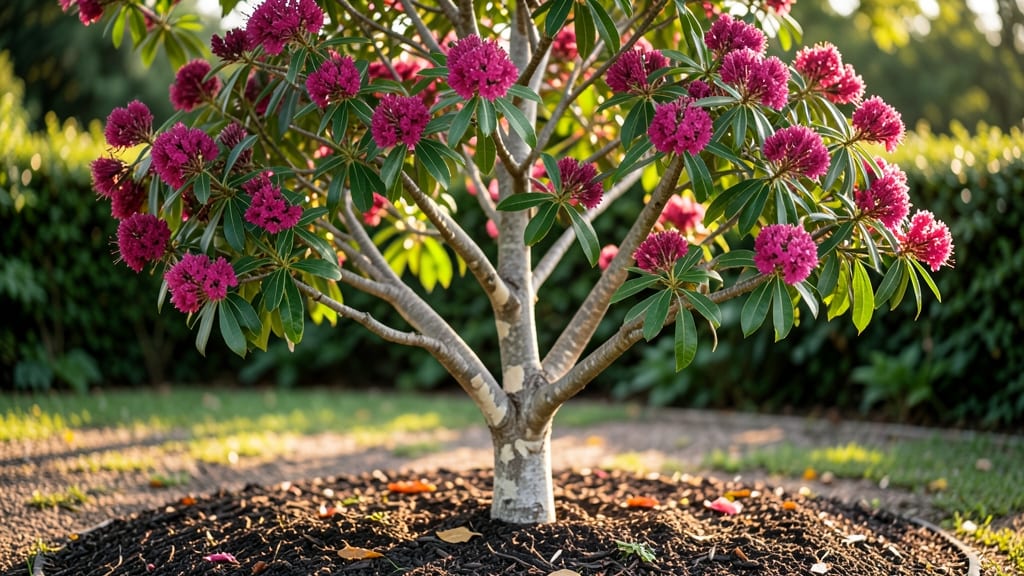
That tree in your yard that looks like a crepe myrtle with its signature peeling bark and summer blooms might actually be something else entirely. 🌳 I’ve spent years mistaking Lagerstroemia lookalikes for the real deal—until I learned the telltale differences that change how you prune, shape, and even admire them.
The right ID means the difference between a showstopper and a sad, overpruned stump.
Japanese lilacs (Syringa reticulata) and bottlebrush (Callistemon) steal the spotlight with similar exfoliating bark and floral displays, but their growth habits and pruning needs couldn’t be more different. One thrives with aggressive cuts, while the other rebels at a single snip.
I’ll walk you through the key visual clues—leaf shape, flower clusters, and even how the branches angle—that reveal their true identities in seconds.
Once you know what you’re working with, shaping these trees becomes a game-changer. A properly pruned specimen transforms from a wild shrub into a structured focal point that anchors your garden’s design. Think layered blooms, sculpted canopies, and that coveted "wow" factor when guests pull up.
We’ll cover how to prune each type for maximum impact, when to tackle the job (hint: timing matters), and how to avoid the top 3 pruning mistakes that turn trees into sad, leggy shadows. Ready to turn that mystery tree into your next pruning masterpiece?
📚 In This Guide
- What you need
- Instructions
- Tips and common mistakes
- Wrapping up and next steps
What you need
- ● Pruning shears: Bypass pruners (sharp, clean, and ergonomic for precision cuts). Quantity: 1 pair.
- ● Loppers: For thicker branches (16–24" long, ratchet-style preferred for ease). Quantity: 1 pair.
- ● Pruning saw: Curved-tooth saw for branches over 2" in diameter. Quantity: 1.
- ● Gloves: Heavy-duty, cut-resistant gloves to protect hands from thorns and sharp tools.
- ● Disinfectant: 70% isopropyl alcohol or rubbing alcohol to sterilize tools between cuts (prevents disease spread).
- ○ Twine or zip ties: For securing branches during pruning (optional but helpful for large limbs). Quantity: 1 roll.
- ● Ladder or stump: Sturdy, non-slip ladder (or sturdy stool) to reach higher branches safely.
- ○ Pruning sealant: Optional but recommended for large cuts (>1" diameter) to prevent disease. Quantity: Small tube.
- ● Safety glasses: Protect your eyes from debris.
- ● Work boots: Closed-toe, ankle-supporting footwear for stability.
- ● Extension pole pruners: For high branches without a ladder (great for safety!).
- ● Garden hose: To clean tools post-pruning.
- ● Notebook & pen: To sketch your tree’s structure before pruning (helps visualize the crepe myrtle shape!).
Step-by-Step guide to identifying and pruning a crepe myrtle lookalike
Here's how to confirm what you've got—and then shape it into a stunning, healthy specimen.
🌿 Step 1: Confirm the Tree’s True Identity
Crepe myrtles (Lagerstroemia) have distinctive features: peeling bark, opposite branching, and clusters of small flowers. If your tree has smooth, mottled bark that peels in papery strips, that’s a strong clue. Examine the leaves—crepe myrtles have oval, slightly pointed leaves with serrated edges, often turning brilliant red or purple in fall.
Check the branch structure: crepe myrtles grow in semi-upright clusters rather than a single central trunk. If your tree has one dominant leader (like a Bradford pear) or alternate branching (like a willow), it’s likely a different species. Snap a photo of the bark, leaves, and branching pattern—comparing it to online guides will confirm your ID.
✂️ Step 2: Assess the Tree’s Current Structure
Before pruning, evaluate the tree’s growth habit and health. Look for dead, crossing, or rubbing branches—these need immediate removal. If the tree has multiple trunks growing from the base, it’s likely a suckering species (like a Bradford pear) and will need aggressive pruning to maintain a single leader.
Check for water sprouts (fast-growing, vertical shoots) or overcrowded branches—these weaken the tree and should be pruned back. Use a sharp pair of loppers to make clean cuts just outside the branch collar (the swollen area where the branch meets the trunk). Avoid leaving stubs—this invites disease and weakens the tree.
☀️ Step 3: Prune for Shape and Airflow
Crepe myrtles (and lookalikes) thrive when pruned to open their canopy—this improves airflow and sunlight penetration, reducing disease risk. Start by removing 10-20% of the tree’s foliage in late winter or early spring, before new growth begins. Focus on thinning out crowded branches rather than just cutting back the tips.
If your tree has long, leggy branches, cut them back to a strong lateral branch or bud. Avoid "heading back" (cutting in the middle of a branch)—this encourages weak, bushy growth. Step back frequently to check the tree’s balanced silhouette. A well-pruned crepe myrtle should have a pyramidal or vase shape, with no branches growing straight up or down.
🪴 Step 4: Maintain Health After Pruning
After pruning, water deeply to help the tree recover, especially if you removed large branches. Apply a 2-3 inch layer of mulch around the base (but keep it 6 inches away from the trunk) to retain moisture and suppress weeds. Avoid over-mulching—this can suffocate the roots.
Monitor the tree for new suckers (shoots growing from the base or roots) and remove them promptly. If your tree is a fast grower, you may need to prune again in late summer to control size. Always use sterilized tools to prevent spreading disease between cuts.
⏰ Step 5: Time Your Pruning for Best Results
Crepe myrtles (and similar trees) respond best to late winter or early spring pruning, just as buds begin to swell. Avoid pruning in fall or winter—this can stimulate weak, late-season growth that won’t harden off before cold weather. If you must prune in summer, do it after flowering to avoid removing next year’s blooms.
If your tree is young (under 5 years old), focus on structural pruning to encourage a strong framework. Mature trees benefit from light annual pruning to maintain shape and remove deadwood. Never prune more than 25% of the tree’s foliage in one season—this stresses the plant and can lead to dieback.
Tips & tricks for perfectly pruning your crepe myrtle lookalike
These pro-level insights will help you transform your tree into a stunning, healthy specimen without common pitfalls.
Visual Identification Tip: When confirming your tree's identity in Step 1, focus on the bark's texture—crepe myrtles have that signature papery, exfoliating bark that looks like it's wearing layers of peeling paint. Take close-up photos of the bark's texture, leaf arrangement, and branching pattern. I always compare these to online guides from multiple sources to confirm. This visual documentation becomes your pruning reference guide for future years.
Pruning Tool Strategy: For Step 2, invest in a pair of high-quality bypass pruners for smaller branches and a sharp lopper for thicker stems up to 2 inches in diameter. I've learned the hard way that dull tools crush branches rather than cleanly cutting them, which creates wounds that invite disease. Sterilize your tools between cuts using rubbing alcohol—this prevents spreading fungal spores from one branch to another.
Canopy Thinning Technique: In Step 3, when removing 10-20% of foliage, prioritize branches that cross or rub against others first. These are the weak points that create entry wounds for pests and diseases. For leggy branches, cut back to just above a lateral branch that's at least one-third the diameter of the branch you're removing. This encourages stronger regrowth and maintains the tree's natural shape.
Post-Pruning Recovery: After completing Step 4, I recommend applying a balanced, slow-release fertilizer (10-10-10 ratio) around the root zone in early spring. This gives your tree the nutrients it needs to recover from the stress of pruning. Water deeply for the first two weeks post-pruning, providing about 1-1.5 inches of water per week. The mulch layer helps maintain consistent soil moisture while preventing weeds from competing for nutrients.
Pro Tips for Tree Looks Like Crepe Myrtle
- These pro-level insights will help you transform your tree into a stunning, healthy specimen without common pitfalls.
- Visual Identification Tip: When confirming your tree's identity in Step 1, focus on the bark's texture—crepe myrtles have that signature papery, exfoliating bark that looks like it's wearing layers of peeling paint.
- Pruning Tool Strategy: For Step 2, invest in a pair of high-quality bypass pruners for smaller branches and a sharp lopper for thicker stems up to 2 inches in diameter.
Frequently asked questions
Got questions about trees that look like crepe myrtles? You’re not alone! Here are some common ones—and their answers—to help you identify, care for, and prune your tree like a pro.
What other trees look like crepe myrtles but aren’t?
If your tree has peeling bark and clusters of flowers but isn’t a crepe myrtle, it might be a royal poinciana (with thorns) or catalpa (with bean-like seed pods). Lagerstroemia indica (true crepe myrtle) has smooth, rounded leaves and no thorns—key differences to spot!
When is the best time to prune a crepe myrtle?
Prune your crepe myrtle late winter to early spring (before buds swell) to avoid disease and encourage healthy growth. Never prune in fall—it stimulates weak growth that won’t survive winter. For shaping, light trims can happen in summer, but avoid heavy cuts then.
How do I fix over-pruned crepe myrtle “lollipop” trees?
If your tree looks like a single trunk with a flat top (the dreaded “lollipop”), it’s been pruned too aggressively. Stop pruning now! Let new branches grow naturally. Next year, focus on thinning out crowded stems and removing suckers at the base to restore its shape.
Are crepe myrtles drought-tolerant?
Yes! Once established, crepe myrtles thrive in USDA zones 7-9 with minimal water. They’re drought-resistant but benefit from deep watering during extreme dry spells. Mulch around the base to retain moisture—just keep mulch 3 inches away from the trunk to prevent rot.
Why aren’t my crepe myrtle flowers vibrant?
Dull or sparse blooms often mean over-fertilizing (especially with high nitrogen) or poor sunlight. Crepe myrtles need full sun (6+ hours/day) and balanced fertilizer (low nitrogen, high phosphorus/potassium). Prune to improve airflow, too—crowded branches stress the tree.
How can I tell if my tree is diseased?
Watch for yellowing leaves, black spots, or oozing sap—signs of fungal issues like powdery mildew or canker. Prune infected branches immediately with sterilized tools, and avoid wetting foliage when watering. Healthy crepe myrtles should have glossy leaves and no unusual spots or wilting.
Wrapping up and next steps
Identifying and pruning a tree that looks like a crepe myrtle is a rewarding way to enhance your landscape while keeping your plants healthy and beautiful! 🌿 With the right tools, techniques, and knowledge, you can transform even the trickiest branches into a stunning masterpiece.
Whether you’re a seasoned gardener or just starting out, every cut brings you closer to a thriving, well-shaped tree.
Ready to take the next step? Grab your pruners, review your notes, and schedule that pruning session—your tree (and your curb appeal!) will thank you. Happy pruning! ✂️🌳