
Pests and Diseases
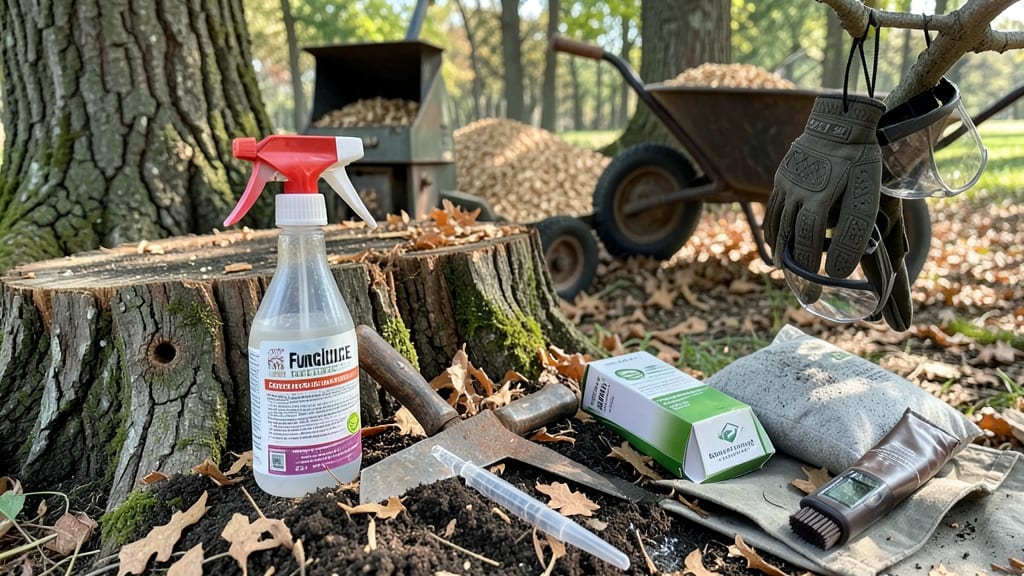
When your tree's trunk starts oozing dark sap or mushrooms sprout at its base, you're dealing with tree fungus and rot treatment specialists—the unsung heroes of diseased wood. 🌳 I’ve watched heart rot turn a 50-year-old oak into a hollow shell, and powdery mildew choke out young fruit trees before they even bear fruit.
The good news? Early action can save your tree—or at least buy time for a specialist to step in.
Most fungal infections start with stress—drought, poor drainage, or wounds from storms. Heart rot hides deep inside, while root rot makes leaves yellow and soil smell foul. The key is catching it early: check for conks (shelf fungi), powdery white coatings, or soft, crumbly wood when pruning.
Even a small patch of mildew can spread if ignored, so act fast with copper-based sprays or fungicides for above-ground issues.
Natural fixes like hydrogen peroxide or neem oil work for mildew, but deep rot requires professional tools—like borate injections or cabling to support weakened branches. If your tree’s trunk is already hollow or oozing, it’s time to call an arborist.
They’ll assess whether to remove the tree or try targeted treatments that could extend its life for years.
Prevention is simpler than rescue: water deeply but infrequently, mulch properly, and avoid wounding bark when pruning. Even a healthy tree can’t fight off fungus forever—so stay vigilant, and don’t wait until mushrooms pop up before acting. Your tree’s survival might depend on it.
Root Causes Behind Tree Decay
When a tree’s health takes a turn for the worse, fungus and rot often lurk beneath the surface—literally. Understanding why these issues develop is the first step in stopping them before they spread. Below, we break down the key culprits behind tree decay, from hidden invaders to environmental stressors.
Fungi thrive in moist, decaying wood, and once they take root, they release enzymes that break down cellulose and lignin—the structural backbone of a tree. Some of the most destructive fungal species include:
- Heart Rot Fungi (e.g., Fomes fomentarius, Ganoderma spp.) – These wood-decaying fungi colonize the tree’s core, weakening structural integrity over years. They often enter through wounds, cracks, or dead branches.
- Armillaria Root Rot (Armillaria spp.) – A highly contagious fungus that spreads through underground root systems, causing white, fan-shaped growths at the base of the tree. It thrives in compacted or waterlogged soil.
- Canker Diseases (e.g., Nectria, Cytospora) – These fungi infect bark wounds, creating sunken, discolored lesions that girdle branches and block nutrient flow.
💡 Pro Tip: Fungi spread faster in warm, damp conditions. Prune infected branches in dry weather to slow contamination.
Excess moisture is a fungus’s best friend. When soil stays soggy—whether from poor drainage, overwatering, or heavy rainfall—oxygen levels drop, creating the perfect breeding ground for rot-causing pathogens. Common scenarios include:
- Compacted Soil – Heavy foot traffic, construction, or clay-heavy soil prevents water absorption, leaving roots waterlogged.
- Improper Grading – If the ground slopes toward the tree (instead of away), water pools at the base, accelerating rot.
- Flooding or Irrigation Overload – Trees planted in low-lying areas or those receiving excessive irrigation suffer from chronic moisture stress.
🌡️ Warning Signs: Yellowing leaves, mushrooms sprouting at the base, or a foul, damp smell near the trunk are red flags.
Trees don’t have skin like we do—they have bark, and once that barrier is broken, fungi and pests move in. Common damage sources include:
| Damage Source | How It Helps Fungi Spread |
|---|---|
| Storm or Hail Wounds | Exposes inner wood to moisture and spores. |
| Improper Pruning Cuts | Large, jagged cuts fail to heal, creating entry points. |
| Construction or Utility Work | Root or trunk injuries disrupt the tree’s defense system. |
| Animal or Pest Boring | Beetles and borers create tunnels that invite fungal colonization. |
✨ Prevention Tip: Always sterilize pruning tools with rubbing alcohol between cuts to avoid spreading pathogens.
A tree under stress is like a person with a weakened immune system—it’s far more susceptible to infections. Key stressors include:
- Nutrient Deficiencies – Lack of nitrogen, phosphorus, or micronutrients (e.g., boron, manganese) weakens cell walls, making them easier targets for fungi.
- Drought or Overwatering – Both extremes disrupt the tree’s ability to transport nutrients and fight off pathogens.
- Competition from Nearby Plants – Overcrowded roots struggle to absorb water and nutrients, leaving the tree vulnerable.
- Environmental Pollution – Air pollutants (e.g., ozone, sulfur dioxide) damage leaf surfaces, reducing the tree’s ability to photosynthesize and resist disease.
💪 Actionable Fix: Conduct a soil test to identify deficiencies and adjust fertilization or mulching practices accordingly.
Practical steps to revive your trees
When fungus and rot take hold in your trees, quick action can mean the difference between saving a beloved specimen and losing it forever. Below are targeted solutions for the most common causes of tree decay, along with preventive measures to keep your trees healthy long-term.
Think of this as your tree’s first-aid kit—clear, actionable, and designed to work even for non-experts.
Fungi like armillaria root rot, heart rot, or powdery mildew thrive in damp, stressed wood. The key is to cut off their food source (the tree’s decaying tissue) and improve airflow.
🔥 Remove Infected Wood Immediately
- Prune away diseased branches using sterilized tools (wipe with rubbing alcohol between cuts).
- Cut 6–12 inches below the visible rot—fungus spreads underground or into the trunk.
- Burn or dispose of infected wood (never compost it—spores can survive and reinfect).
🌡️ Boost Tree Health to Fight Back
- Water deeply but less frequently (fungi love soggy soil). Aim for 1–2 inches per week, then let the soil dry slightly.
- Apply a fungicide (copper-based or systemic like propiconazole) if the infection is active.
Follow label instructions—overuse can harm beneficial microbes. - Mulch properly: Keep mulch 3–4 inches thick but 6 inches away from the trunk to prevent moisture buildup.
💡 Pro Tip:
If the fungus keeps returning, soil testing (via your local extension office) can reveal hidden issues like compacted soil or poor drainage—common fungus triggers.
Rot weakens wood from the inside out, often caused by water damage, wounds, or poor pruning. The goal here is structural reinforcement and preventing further decay.
🔪 Support Compromised Trees
- Install a tree support system (cables or braces) if large branches are hollow or splitting.
Use UV-resistant straps and avoid metal spikes that can wound the tree further. - For severe trunk rot, consult a certified arborist—they may recommend epoxy injections to seal cracks and slow decay.
🌧️ Fix Water Damage Fast - Improve drainage around the root zone.
If your yard is prone to pooling, grade the soil away from the tree (a slight slope of 1 inch per foot helps). - Avoid overwatering—trees with wet feet (roots sitting in water) are rot magnets. Drip irrigation (away from the trunk) is better than overhead sprinklers.
🎯 Prevent Future Wounds
- Prune in late winter/early spring (when trees are dormant) to minimize stress.
- Use the "three-cut method" for large branches to avoid tearing bark (which invites rot).
- Seal fresh wounds with pruning sealant (only for cuts >2 inches wide) to reduce entry points for fungi.
Insects like beetles, termites, or carpenter ants create entry points for fungus. Eliminate the pests first, then treat the wood.
🐜 Eradicate the Pests
- For borers/beetles: Apply insecticidal soap or neonicotinoid treatments (like imidacloprid) directly to bore holes.
- For termites/ants: Use borate-based treatments (like Timbor) or professional bait stations to break the cycle.
- Encourage natural predators: Ladybugs, birds, and parasitic wasps help control soft-bodied pests.
🔄 Treat the Wood After Pest Control
Once pests are gone, treat the tree for fungus as outlined above. Repeat fungicide applications every 4–6 weeks until new growth appears.
✨ Long-Term Defense
- Plant resistant species in high-risk areas (e.g., oak, maple, or hickory are less prone to certain rots than willow or pine).
- Avoid compacting soil near the trunk (heavy foot traffic or machinery crushes roots, making trees more susceptible).
Don’t wait for rot to strike—proactive care is your best weapon. Here’s a quick yearly checklist:
| Task | When to Do It | How to Do It |
|---|---|---|
| Inspect for cracks/rot | Spring & Fall | Look for mushrooms at the base or oozing sap. |
| Prune dead/diseased branches | Late Winter | Use clean, sharp tools and sterilize between cuts. |
| Check soil moisture | After heavy rains | Poke the soil—if it’s soggy for >48 hours, improve drainage. |
| Apply mulch & fungicide | Early Spring | 2–3 inches of mulch, copper fungicide if needed. |
| Monitor for pests | Summer (peak activity) | Shake branches over a white sheet—look for frass (sawdust-like droppings). |
Final Thought: Most tree diseases start small—the sooner you act, the better the outcome. Combine treatment with prevention, and your trees will stay strong for decades. When in doubt, call a specialist—some rots (like Dutch elm disease) require professional intervention to save the tree. 🌳💪
Frequently asked questions
How can I tell if my tree has fungus or rot?
Look for mushrooms growing at the base, oozing sap, or powdery white coatings on leaves. Check for cracks in the bark or soft, crumbly wood when tapping branches. If leaves yellow suddenly or the tree leans heavily, rot may have weakened its structure.
Can I treat tree fungus myself, or do I need a specialist?
Early-stage issues like powdery mildew can be treated with copper fungicide or neem oil. However, deep heart rot or root rot often require professional tools like borate injections or structural supports. When in doubt, consult an arborist—some diseases (like Dutch elm disease) need expert intervention.
What’s the fastest way to stop fungal spread?
Prune infected branches 6–12 inches below visible rot with sterilized tools, then burn or bag the debris (never compost it). Improve airflow by thinning dense foliage and avoid watering at night to keep leaves dry. For soil-borne fungi, amend compacted soil with compost to improve drainage.
Will removing part of my tree kill it?
Not if done correctly! Prune only diseased or dead wood, avoiding more than 25% of the canopy in one season. Always use the three-cut method for large branches to prevent bark tears. If your tree is already stressed, limit pruning to one season and focus on fungicide treatments first.
How often should I inspect my trees for fungus?
Check trees twice a year: in spring (after dormancy) and fall (before winter). Look for new growths, discoloration, or unusual odors. After storms or heavy rains, do a quick spot-check—fungi spread faster in wet conditions. Keep records to track changes over time.