
Trees
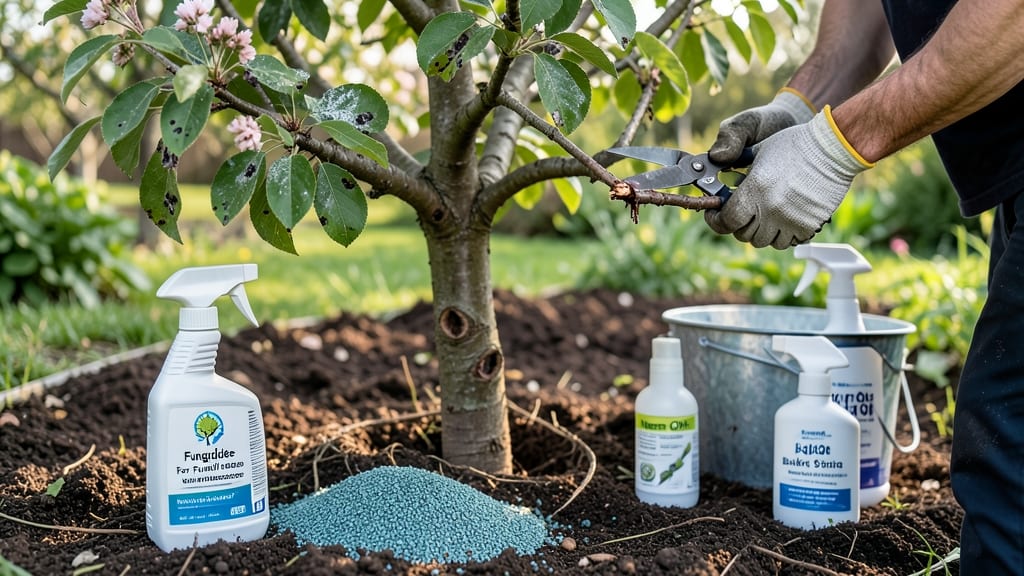
Your plum tree’s leaves are turning into a sad, spotted mess—black spots or that white powdery film means plum tree fungus treatment is needed before the disease spreads. 🌿 I’ve saved my fair share of plum trees from these exact problems, and the key is acting fast with the right organic treatments before the disease spreads to fruit or weakens the whole tree.
The worst part? Most store-bought fungicides contain harsh chemicals that can harm bees and beneficial insects while only masking the problem. Instead, I rely on a 3-step organic system: copper-based sprays for prevention, neem oil for active infections, and proper pruning to remove infected branches before they spread.
It takes patience, but within 2-3 weeks, you’ll see fresh, clean foliage pushing out.
What you’ll end up with is a plum tree that produces healthier fruit, resists future outbreaks, and stays strong enough to handle next year’s spores.
The secret isn’t just spraying—it’s understanding when to treat (early spring and after rain), how to clean up fallen leaves, and which varieties are naturally more resistant. Your tree will thank you at harvest time.
Works for both backyard plum trees and larger orchards, though smaller trees respond faster. Here’s how to diagnose the exact fungus first—because not all spots are created equal, and treating the wrong one wastes time and money.
Root Causes of Plum Tree Fungus
Fungal infections like black spot and powdery mildew don’t just appear out of nowhere—they thrive because of specific conditions that give them the upper hand. Understanding these triggers is the first step to stopping them in their tracks.
Let’s break down the key reasons why your plum tree might be under siege.
Fungi love humidity and stagnant air—think of it like a damp, enclosed space where spores can multiply unchecked. Plum trees with dense foliage or those planted too close to other trees or structures create perfect fungal breeding grounds.
- Why it happens: Poor airflow traps moisture on leaves, allowing fungal spores to germinate and spread rapidly.
- Actionable insight: Prune your tree regularly to improve airflow, especially in the center where branches overlap. Space trees at least 10–15 feet apart to reduce humidity buildup.
While plum trees need consistent moisture, too much water—especially on the leaves—creates a fungal paradise. Overwatering keeps the soil soggy, and wet foliage provides the ideal environment for spores to latch on.
- Why it happens: Fungi like Monilinia (which causes black spot) thrive in wet conditions, especially when leaves stay damp for more than 6–12 hours.
Overhead irrigation or rain can splash spores onto leaves. - Actionable insight: Water at the base of the tree (not the canopy) and avoid late-day watering. Use drip irrigation or soaker hoses to keep leaves dry. Mulch around the base to regulate soil moisture.
A healthy plum tree has natural defenses, but stress—from drought, poor soil, or nutrient deficiencies—weakens its ability to fight off fungi. Think of it like a person with a compromised immune system: infections strike harder and faster.
- Why it happens: - Nutrient deficiencies (especially lack of potassium or nitrogen) reduce the tree’s resilience. - Drought stress makes leaves more susceptible to fungal invasion. - Physical damage (like from hail or improper pruning) creates entry points for spores. - Actionable insight: Test your soil and amend it with compost or balanced fertilizer (10-10-10 or organic options like fish emulsion).
Water deeply but consistently during dry spells, and avoid heavy pruning during fungal outbreaks.
Fungi don’t just appear—they spread via spores carried by wind, water, or even tools. If neighboring trees or infected plant debris harbor spores, your plum tree is at risk of infection.
- Why it happens: - Windborne spores from infected trees or garden waste can land on healthy leaves. - Infected pruning tools or mulch can transfer spores directly to wounds. - Old plant debris (like fallen leaves) can harbor spores year-round. - Actionable insight: Remove fallen leaves and debris from under the tree, especially after harvest. Sterilize pruning tools with rubbing alcohol between cuts.
If possible, plant plum trees away from heavily infected areas.
Fungi like black spot and powdery mildew love warm temperatures (60–85°F) combined with high humidity. These conditions speed up spore germination and spread, making outbreaks more likely in spring and summer.
- Why it happens: Warm, muggy days create the perfect fungal growth chamber on leaf surfaces. Powdery mildew, for example, thrives in 75–85°F temperatures with high humidity. - Actionable insight: Monitor weather forecasts and act fast if humidity spikes.
Use fungicides (organic or chemical) as a preventative spray before symptoms appear, especially during rainy or humid periods.
Fungi spread faster when left unchecked. Without regular inspections and early intervention, small infections can become full-blown epidemics.
- Why it happens: Homeowners often ignore early signs (like small dark spots or white powder) until the tree is severely affected. - Actionable insight: Inspect your tree weekly during growing season.
Remove infected leaves immediately and dispose of them in the trash (not compost). Apply preventative sprays (like neem oil or copper fungicide) every 2–4 weeks during high-risk periods.
How to Fix Fungal Issues Fast
Fungal infections like black spot and powdery mildew can weaken your plum tree, but with the right approach, you can restore its health—naturally. Below, we break down targeted solutions based on the root cause, from quick fixes to long-term prevention. No harsh chemicals needed!
Cause: Marssonina spores thrive in damp, shaded conditions, causing dark spots and leaf drop.
🔥 Step 1: Prune for Airflow
- Remove infected leaves (wear gloves!) and trim branches that block airflow.
- Focus on dense areas where humidity lingers—fungus spreads faster in tight clusters.
- Sterilize pruners with rubbing alcohol between cuts to avoid cross-contamination.
👨🍳 Step 2: Apply Organic Fungicides - Neem oil spray (1 tbsp neem oil + 1 tsp mild soap + 1 quart water): Spray early morning or evening to avoid leaf burn.
Reapply every 7–10 days until new growth appears. - Baking soda solution (1 tbsp baking soda + 1 tsp oil + 1 gallon water): Fungicides like this raise the leaf pH, making it inhospitable for spores. Test on a small branch first—some trees are sensitive.
🌿 Step 3: Boost Tree Resilience
- Feed with compost tea (rich in beneficial microbes) or a balanced organic fertilizer (10-10-10) in early spring to strengthen immunity.
- Mulch with wood chips (3–4 inches deep) to regulate soil moisture and reduce spore splash-up during watering.
✨ Prevention Tips
- Water at the base (avoid overhead sprinkling) to keep foliage dry.
- Space trees 8–10 feet apart for better airflow.
- Clean up fallen leaves in autumn—burn or compost them separately (do not mix with garden waste).
Cause: Podosphaera or Sphaerotheca fungi create white, powdery coatings, stunting growth and reducing fruit quality.
🍳 Step 1: Physically Remove Mildew - Wipe leaves with a damp cloth dipped in 1 part milk + 9 parts water (milk’s proteins disrupt fungal spores).
Do this weekly during outbreaks. - Hose down the tree with a strong spray (early morning) to wash away spores. Avoid late-day watering—wet leaves overnight invite reinfection.
🔪 Step 2: Use Preventative Sprays
- Potassium bicarbonate spray (2 tbsp per gallon of water): Spray every 10–14 days during humid periods. Safe for organic gardens!
- Reflective mulch (aluminum foil or silver plastic sheeting): Place around the base to reflect sunlight, reducing humidity near the tree.
🌡️ Step 3: Adjust Growing Conditions
- Thin out overcrowded branches to improve sunlight penetration.
- Avoid nitrogen-heavy fertilizers (they promote soft, mildew-loving growth). Opt for phosphorus-rich organic options instead.
- Plant mildew-resistant varieties like ‘Santa Rosa’ or ‘Methley’ plums if reinfection is persistent.
💡 Pro Tip
- Companion planting: Interplant with rosemary, thyme, or garlic—their strong scents deter fungal spores naturally.
| Problem | Quick Fix | Long-Term Fix |
|---|---|---|
| Damp soil | Raise tree beds | Install drainage tiles |
| Shaded canopy | Prune lower branches | Thin upper branches for light |
| Overhead watering | Switch to drip irrigation | Mulch to retain moisture at roots |
🎯 Final Reminder: Consistency is key! Fungal diseases often return if conditions (like humidity or poor airflow) aren’t addressed. Monitor your tree weekly during growing seasons, and act at the first sign of spots or powdery residue.
With these steps, your plum tree will bounce back—and thrive—without synthetic chemicals.
Frequently asked questions about plum tree fungus treatment
How do I tell if my plum tree has fungus vs. just normal leaf spots?
Fungal infections show distinct patterns: black spot appears as dark, irregular spots with yellow halos, while powdery mildew creates white, powdery coatings on leaves. Normal leaf spots are usually small, uniform, and brown without spreading. Check the undersides of leaves—fungus often starts there first.
Can I use vinegar as a fungicide for my plum tree?
No, plain vinegar is too harsh and can burn leaves. However, a diluted solution (1 part vinegar + 3 parts water + 1 tsp dish soap) can help reduce fungal spores when sprayed evenly on leaves. Always test a small branch first and avoid spraying during hot sun.
When is the best time to apply fungicide to prevent fungus?
Apply fungicide early spring (before buds swell) and again after rainy periods or high humidity. For organic options like neem oil, spray every 7–10 days during outbreaks. Timing matters—fungus spreads fastest when leaves are wet for 6+ hours.
Will pruning alone stop fungus from spreading?
Pruning helps remove infected areas, but it’s not enough alone. Always combine it with fungicide sprays and sterilize tools between cuts. Focus on dead/diseased branches and improve airflow by thinning dense areas. Without treatment, spores will linger on remaining leaves.
How long does it take to see improvement after treating fungus?
With consistent care, you’ll see new growth in 2–3 weeks. Severe infections may take 4–6 weeks to fully clear. Monitor progress weekly—if spots keep appearing, adjust your treatment (e.g., switch to copper fungicide or increase pruning). Patience is key!