
Pruning
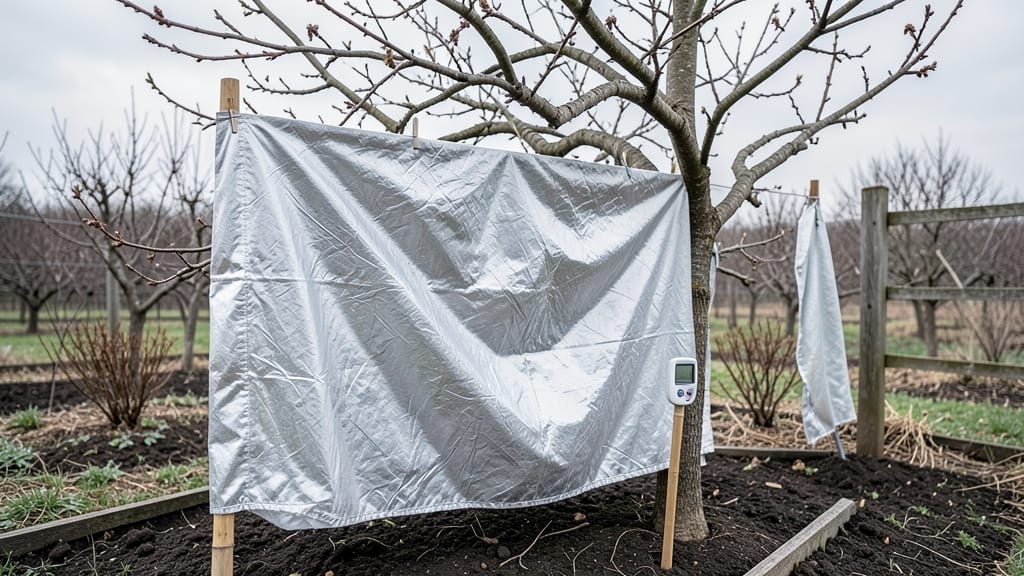
A tree frost blanket protects young trees from cold damage by trapping heat near the trunk and branches, creating a microclimate that shields delicate bark from freeze injury during late-season frosts. Choose breathable, lightweight fabric to prevent moisture buildup while maintaining insulation.
A frost blanket works like a thermal shield for trees, trapping radiant heat close to the trunk while allowing air circulation to prevent condensation damage. 🌳 Young trees are especially vulnerable because their thin bark lacks the protective layers of mature trees, making them prone to cracking or dieback when temperatures drop suddenly.
The right fabric—like polypropylene—strikes a balance between insulation and breathability, ensuring your tree stays safe without suffocating.
For best results, wrap the blanket loosely around the trunk and secure it with soft ties, leaving room for the tree to grow. Remove it during the day when temperatures rise to prevent overheating, and store it for reuse next season.
This simple tool can make all the difference in protecting your investment during unpredictable winter weather.
💡 In This Article
- How Tree Frost Blankets Work to Prevent Cold Damage
- Best Practices for Using Frost Blankets on Trees
How tree frost blankets work to prevent cold damage
Tree frost blankets create a protective microclimate by trapping radiant heat emitted from the tree itself. The fabric acts like a thermal barrier, reducing heat loss through convection while allowing some air circulation to prevent moisture buildup.
This works because cold air is denser and sinks, while warm air rises—so the blanket essentially creates a warm air pocket around the trunk. Studies show that even a 1-2°F temperature increase can prevent freeze damage in vulnerable young trees.
The magic happens at the bark level. Young trees have thin bark that lacks the protective layers of mature trees, making them prone to cracking when water in their cells freezes and expands.
Frost blankets slow this process by maintaining temperatures above 28°F, the critical threshold where ice crystal formation begins damaging cell walls. The fabric's insulation value (measured in R-value) determines effectiveness—polypropylene blankets with R-1 to R-2 ratings work best for most ornamental trees.
Breathability is equally important. Non-breathable fabrics like plastic can trap moisture, creating condensation that promotes fungal growth. Look for materials with 30-50% open weave, like polypropylene or burlap, which allow air exchange while blocking wind chill.
The ideal blanket should feel like a lightweight sweater—snug enough to retain heat but not so tight it restricts growth. This balance is why frost blankets outperform traditional methods like wrapping trees in burlap alone.
Timing matters too. The most vulnerable period is during late-season frosts (after 32°F but before 28°F), when trees have started budding but can't yet withstand cold snaps. A frost blanket extends this transition period by 2-4 weeks, giving trees more time to harden off naturally.
For example, a 2-inch diameter tree wrapped properly can survive -5°F temperatures where an unwrapped tree might suffer bark damage.
Consider the fabric's texture too. Polypropylene blankets (like those used for row covers) have a slightly rough surface that scatters light, reducing heat absorption during sunny days. Burlap, while more breathable, offers less insulation—ideal for mild climates but insufficient for harsh winters.
The right choice depends on your local hardiness zone and the tree's species. For instance, fruit trees like peaches need the extra insulation, while hardy oaks might only require burlap.
What most gardeners overlook is how frost blankets interact with tree physiology. The trapped heat doesn't just warm the bark—it also reduces the tree's stress response to cold shock. When temperatures drop suddenly, trees release ethylene gas, which can trigger premature dormancy.
A frost blanket minimizes this reaction by maintaining stable temperatures, allowing the tree to focus on root development instead of survival mode.
For maximum effectiveness, combine the blanket with proper watering before winter. Well-hydrated trees have higher moisture content in their cells, which actually helps them withstand freezing better than drought-stressed trees. The blanket then works in tandem with this natural resilience, creating a two-pronged defense against frost injury. 🌱