
Pests
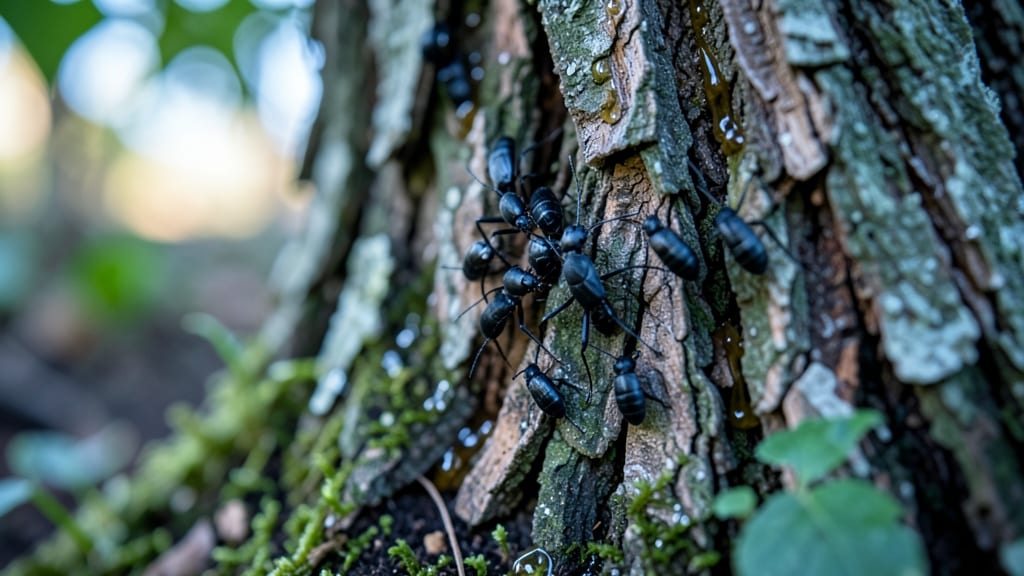
Finding tiny black bugs crawling up your tree trunk isn’t just annoying—it’s a red flag your tree might be under siege. 🌳 These little invaders could be bark beetles, ants, or sap-sucking insects, and ignoring them risks weakening your tree’s health over time.
The good news? Most infestations can be stopped with the right approach, before they turn into a full-blown crisis.
Start by identifying the culprits: bark beetles leave behind sawdust-like frass, ants create trails, and sap-suckers often attract sticky honeydew. Check for other signs like wilting leaves, holes in the bark, or unexpected sap oozing—these are clues your tree is already stressed.
The sooner you act, the easier it is to eliminate the problem without harming your tree.
Your first line of defense is often organic solutions like neem oil or insecticidal soap, which disrupt their life cycles without harsh chemicals. For stubborn infestations, targeted sprays or even professional intervention might be needed—but don’t panic.
Many trees bounce back stronger once the pests are gone, especially with proper aftercare.
Prevention is key: keep your trees healthy with regular watering, mulching, and pruning to reduce stress. A strong tree is less appealing to pests, and a quick inspection every spring can catch issues before they spiral. Here’s how to tackle this head-on and keep your trees thriving.
Root Causes of Tree Trunk Invaders
Discovering tiny black bugs crawling on your tree trunk isn’t just unsettling—it’s a sign your tree is hosting unwanted guests. These pests don’t just appear out of nowhere; their presence is often tied to specific environmental, biological, or seasonal triggers.
Understanding why they show up is the first step to reclaiming your tree’s health. Let’s break down the key factors that turn your tree into a bug buffet. 🐞🌳
Healthy trees are resilient, but stress—whether from drought, poor soil, or disease—makes them vulnerable. When a tree’s defenses weaken, it becomes an easy target for insects like scale insects, bark beetles, or aphids, which thrive in compromised environments.
- 🔍 Signs of a stressed tree:
- Thinning or yellowing foliage
- Peeling, cracked, or oozing bark
- Sparse or stunted new growth
- 💡 Why it happens: Weak trees produce less sap—a natural pest repellent—giving insects free rein to feed and reproduce. Example: Drought-stressed oaks often attract bark beetles, which bore into the wood to lay eggs.
- 🛠️ Actionable fix:
- Improve soil health with compost or mulch.
- Water deeply during dry spells (1–2 inches per week).
- Prune dead branches to reduce hiding spots.
Many tiny black bugs on tree trunks are seasonal visitors. Their life cycles sync with temperature and humidity, leading to sudden outbreaks when conditions align. For instance:
| Pest | Peak Season | Why They Appear Now |
|---|---|---|
| Ants (e.g., carpenter ants) | Spring–Fall | Warm weather triggers foraging for sap and honeydew from aphids. |
| Fungus gnats | Spring–Summer | Moist soil and decaying bark create ideal breeding grounds. |
| Scale insects | Year-round (worst in summer) | They reproduce rapidly when trees are actively growing. |
💡 Pro tip: If bugs surge after rain, they’re likely moisture-lovers like springtails or fungus gnats. Drainage issues or thick mulch can worsen the problem.
Some tiny black bugs aren’t the main problem—they’re symptoms of an even bigger infestation. For example:
- 🐜 Ants + Aphids: Ants “farm” aphids by protecting them in exchange for honeydew (aphid waste). The aphids weaken the tree, and the ants move in to harvest the sugary byproduct.
- 🍄 Fungal Partnerships: Some beetles (like ambrosia beetles) carry fungi into tree bark, creating nutrient-rich tunnels for their larvae. The tree’s immune response often attracts more pests.
🔥 Warning sign: If you see black sooty mold (a fungus fed by honeydew) on leaves or bark, aphids or scale insects are likely nearby.
🛠️ How to break the cycle:
- Disrupt ant trails with barriers (e.g., diatomaceous earth or sticky traps).
- Spray trees with neem oil to deter aphids and ants.
- Encourage natural predators like ladybugs or parasitic wasps.
Sometimes, the bugs are hitchhikers. Construction, firewood storage, or even new landscaping can introduce pests to your yard. For example:
- 🪵 Firewood: Bark beetles often hide in untreated wood. Storing logs near trees risks spreading infestations.
- 🌿 Mulch or Wood Chips: Pile mulch too close to the trunk, and you create a humid microclimate perfect for fungus gnats and mites.
- 🚜 Soil Disturbance: Digging or compacting soil near roots can stress trees, making them more attractive to pests.
💡 Prevention tip: Keep a 3-inch gap between mulch and the tree trunk to prevent moisture buildup. Store firewood at least 20 feet away from trees.
How to Fix Tiny Tree Invaders
Discovering tiny black bugs crawling on your tree trunk can be frustrating, but the good news is that most infestations are manageable with the right approach. Below, we’ve mapped out targeted solutions based on the most common causes—whether it’s sap-sucking pests, fungal hitchhikers, or wood-destroying culprits.
Each fix is designed to be practical, chemical-free (where possible), and easy to execute, even for beginners. Plus, we’ll share prevention tips to keep your trees pest-free long-term.
1. Sap-Sucking Pests (Aphids, Scale, or Mealybugs)
If the bugs are tiny, soft-bodied, or leave behind sticky residue (honeydew), they’re likely sap-feeders. These pests weaken trees by draining nutrients, so act fast!
🍳 Step-by-Step Treatment:
- 🔪 Prune Infested Branches: Use clean, sharp shears to trim and remove heavily infested branches (especially near the trunk). Dispose of clippings in a sealed bag—do not compost them!
- 💦 Blast Off with Water: For aphids or mealybugs, attach a hose nozzle to a strong stream and spray the trunk and branches for 30 seconds. Repeat weekly until pests disappear.
- 🌿 Apply Horticultural Oil: Mix 1–2 tablespoons of horticultural oil (like neem oil) with 1 quart of water. Spray the solution on the trunk and undersides of leaves in the early morning or late evening to avoid harming beneficial insects. Reapply every 5–7 days for 2–3 weeks.
- 🐞 Introduce Predators: Ladybugs, lacewings, and parasitic wasps are natural enemies of sap-suckers. Purchase them online or attract them by planting native flowers nearby.
💡 Pro Tip: If honeydew is attracting ants, set up a barrier of Tanglefoot or petroleum jelly around the trunk to block their access.
2. Fungal or Algal Hitchhikers (Black Sooty Mold or Crustose Lichen)
If the bugs are actually black crusts or slimy patches (not insects), you’re dealing with fungi or algae—often a secondary issue caused by excess moisture or sap. While these aren’t bugs, they can harbor pests, so clean them up!
🔥 Cleanup & Prevention:
- 🧹 Scrub with a Brush: Use a stiff-bristle brush and a mix of 1 part water + 1 part white vinegar to scrub the trunk. For stubborn patches, add a drop of dish soap.
- ⏰ Prune for Airflow: Thin out dense foliage to improve airflow and reduce humidity near the trunk. Aim for 20–30% less leaf density in the canopy.
- 🌡️ Adjust Irrigation: Water trees at the base only (not the trunk) and avoid overhead sprinklers. Let the soil dry between waterings.
- 🎯 Apply Copper Fungicide: For severe fungal growth, spray a copper-based fungicide (like Bordeaux mixture) on the trunk and lower branches. Follow label instructions carefully.
✨ Prevention Bonus: Wrap the trunk with tree guard (plastic or metal) to shield it from moisture and physical damage.
3. Wood-Boring Beetles (Powderpost or Bark Beetles)
If you spot tiny holes, sawdust-like frass, or adults emerging from the trunk, you’re dealing with wood-borers. These pests can kill a tree over time, so early action is critical.
👨🍳 Emergency Action Plan:
- 🔪 Remove Damaged Wood: Cut out and destroy infested branches or sections of the trunk. Seal the wound with pruning paint or tree sealant.
- 💦 Flood the Nest: For ground-level infestations, drill small holes into the trunk and pour in a mix of hot water + dish soap to suffocate larvae. Repeat every 2 weeks.
- 🌿 Use Beneficial Nematodes: Apply Steinernema carpocapsae nematodes (sold online) to the soil around the tree’s drip line. These microscopic worms seek out and kill beetle larvae.
- 🛡️ Apply Insecticide Last Resort: If the tree is young or valuable, use a borax-based wood treatment (like Safer Brand Borax) or a systemic insecticide like Imidacloprid. Follow product instructions precisely.
💡 Pro Tip: Healthy trees resist borers better! Boost tree health with mulch (2–4 inches deep) and balanced fertilizer (high in nitrogen for new growth).
4. Ants or Carpenter Ants (Indirect Pests)
Ants don’t eat wood but farm sap-suckers and create tunnels. If you see trails or mounds near the trunk, disrupt their operation.
🚫 Ant Eradication Steps:
- 🧲 Bait Stations: Place borax or terro ant baits near the trunk (but not directly on it). Ants will carry the bait back to their colony.
- 🔌 Disrupt Trails: Wipe trails with vinegar or lemon juice to break their scent paths. Repeat daily for a week.
- 🌳 Remove Food Sources: Trim vines or overgrown branches touching the trunk, as they attract ants and pests.
- 🏗️ Seal Entry Points: Fill cracks in the trunk or bark with caulk to block ant highways.
Once you’ve tackled the infestation, take these steps to prevent recurrence:
- 🌿 Inspect Regularly: Check your trees monthly, especially after rain or storms. Early detection = easier fixes!
- 🍃 Maintain Tree Health: Water deeply but infrequently, fertilize in early spring, and prune to remove dead/diseased branches.
- 🛡️ Use Physical Barriers: Wrap young trees with tree collars or mesh guards to deter pests from climbing.
- 🌱 Plant Smart: Choose native tree species resistant to local pests. Avoid overcrowding trees to reduce stress.
- 🐝 Encourage Beneficial Wildlife: Install a bee house or bird feeder to attract natural predators like birds and predatory insects.
With these targeted fixes, you’ll reclaim your tree’s health and keep those tiny black invaders at bay. Most solutions take 2–4 weeks to show results, so stay consistent—and soon, your tree will be pest-free and thriving! 🌳💚
Frequently asked questions
Are tiny black bugs on my tree trunk always harmful?
Not always! Some, like springtails or ground beetles, are harmless and may even help by eating decaying organic matter. However, if they’re swarming in large numbers or you notice damage (like holes, sawdust, or wilting leaves), they could be harmful pests like bark beetles or ants. Always check for signs of stress in the tree first.
How can I tell if the bugs are ants or beetles?
Look closely: ants have elbowed antennae and a distinct waist, while beetles have straight antennae and hard wing covers (elytra). Ants often leave trails, while beetles may leave tiny holes or sawdust-like frass. If you’re unsure, capture one in a jar and check online or with a local extension office for ID.
Will homemade sprays like vinegar or soap work?
For mild infestations, yes! A mix of 1 tablespoon dish soap + 1 quart water can suffocate soft-bodied pests like aphids or scale. However, it won’t kill wood-boring beetles or deep-rooted ants. For tougher pests, use neem oil (1 tablespoon per quart of water) or insecticidal soap. Always test sprays on a small area first.
When should I call a professional?
If you see large exit holes, sawdust-like frass, or if the tree is already dying, call an arborist. Also seek help if DIY methods fail after 4-6 weeks, or if the tree is valuable (like fruit trees or mature oaks). Professionals can assess whether the tree is beyond saving or needs targeted treatments like systemic insecticides.
Can I prevent future infestations?
Keep trees healthy with regular watering (1-2 inches/week), mulch (2-4 inches deep, but not touching the trunk), and pruning dead branches. Install tree guards to block climbing pests, and avoid over-fertilizing. Inspect trees monthly, especially after storms or droughts, to catch problems early.