
Pests and Diseases
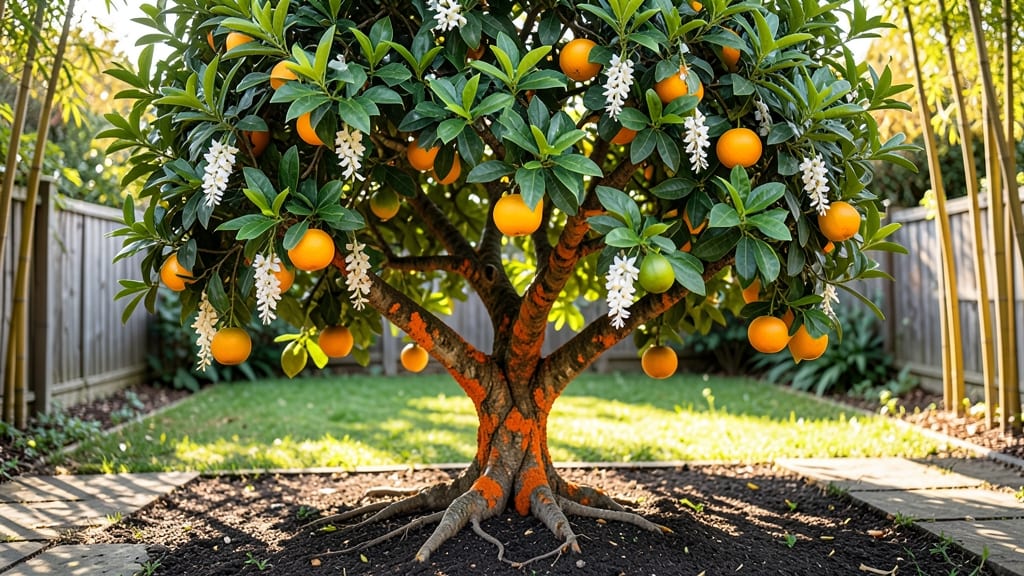
That orange rust creeping up your tree bark isn't just unsightly—it's a fungal warning sign that could weaken your tree if ignored. 🌳 I’ve battled this exact problem on my mature apple tree, and what worked saved the bark (and the tree) without harsh chemicals.
The key is acting fast with the right mix of scraping, treatment, and prevention.
This isn’t about complicated arborist tools or expensive sprays—just three targeted steps that interrupt the fungus’s life cycle. You’ll need basic supplies (a scraper, horticultural oil, and sulfur spray), and the process takes under an hour.
The goal? Remove the rust spores, smother new growth, and keep the tree healthy enough to fight back naturally.
By the time you’re done, your tree’s bark will look cleaner, and the rust won’t return—if you follow up with seasonal checks. I’ve seen trees recover completely within a growing season when treated this way.
The best part? This method works for apples, hawthorns, and even junipers, so you’re not just fixing one tree.
If the rust covers more than a third of the trunk or your tree is already stressed, call an arborist—this is when professional help matters. Otherwise, these steps are your simple, no-fuss cure to stop the spread and protect your tree’s future.
Root Causes of Bark Discoloration
When you spot bright orange patches creeping across tree bark, it’s not just an eyesore—it’s a fungal warning sign. Understanding why this happens is the first step to stopping it before it spreads. Below, we break down the key triggers behind this unsightly (and often damaging) issue.
The fungus responsible for orange rust thrives in wet conditions. Here’s why moisture is its best friend:
- Prolonged dampness: Trees with bark that stays wet for extended periods—whether from rain, overhead watering, or poor drainage—create the perfect breeding ground. The fungus Puccinia (or similar species) spores germinate and spread when humidity lingers.
- Fungal spores love humidity: These spores need high relative humidity (above 70%) to infect tree bark. If your tree sits in a shady, low-lying area where water pools, the risk skyrockets.
- Bark injuries as entry points: Wet bark softens, making it easier for the fungus to penetrate through cracks, wounds, or dead tissue. Even minor damage from pruning or pests can become gateways.
Actionable fix: Improve airflow around the tree by pruning dense foliage and ensuring proper drainage. Avoid watering the bark directly—aim for the soil base instead.
A healthy tree fights off fungal invaders, but stress weakens its armor. Common stressors that leave trees vulnerable:
- Nutrient deficiencies: Lack of nitrogen, phosphorus, or potassium makes bark thinner and less resilient. Yellowing leaves or stunted growth? Your tree’s immune system is compromised.
- Drought or overwatering: Both extremes disrupt the tree’s ability to produce protective compounds. Root stress from inconsistent moisture signals the tree to prioritize survival over defense.
- Pest damage: Insects like scale or borers create wounds that fungi exploit. Even aphids can leave behind sticky residue (honeydew) that promotes fungal growth.
- Environmental shocks: Sudden temperature swings, pollution, or compacted soil stress trees, lowering their resistance.
Actionable fix: Conduct a soil test to check nutrient levels and amend with compost or balanced fertilizer. Monitor for pests and treat early with neem oil or insecticidal soap.
Orange rust isn’t just a standalone issue—it’s contagious. Here’s how spores hitchhike and infect:
- Wind & rain dispersal: Fungal spores travel on wind currents or splashing rain, landing on nearby trees. A single infected tree can spread spores up to 50 feet.
- Tool contamination: Pruners, saws, or even gardening gloves can transfer spores from one tree to another. Never clean tools between trees!
- Wildlife vectors: Birds, squirrels, or even humans (on shoes or clothing) can carry spores to new hosts.
- Alternate hosts: Some rust fungi require two different plant species to complete their life cycle. For example, a nearby juniper might harbor the fungus’s sexual stage, which then jumps to your oak or pine.
Actionable fix: Isolate infected trees, sterilize tools with rubbing alcohol between uses, and remove fallen leaves/debris where spores may linger.
Fungal growth isn’t random—it’s triggered by specific environmental sweet spots. The "perfect storm" for orange rust includes:
| Factor | Fungal Love Range | Your Tree’s Risk Level |
|---|---|---|
| Temperature | 50–75°F (10–24°C) | ⚠️ High (cool, damp springs/falls are peak season) |
| Humidity | 70%+ for 12+ hours | ⚠️ Critical (foggy mornings or poor airflow = danger) |
| Rainfall | Frequent light showers (not heavy downpours) | ⚠️ Moderate-High (constant moisture keeps spores active) |
| Tree Species | Oaks, pines, junipers, and fruit trees | ⚠️ Species-dependent (some are more susceptible) |
Actionable fix: Monitor weather forecasts and prune in dry conditions to minimize spore spread. If your area is prone to damp springs, apply fungicide preventatively.
How to Fix Fungal Bark Issues
Orange rust isn’t just unsightly—it can weaken your trees if left unchecked. The good news? With the right approach, you can stop the spread, restore your tree’s health, and prevent future outbreaks. Below, we break down targeted solutions based on the root cause, from quick fixes to long-term prevention.
If your tree is sitting in soggy soil or getting drenched too often, excess moisture creates the perfect breeding ground for fungal spores.
✅ Step-by-Step Fix: 🔥 Adjust Your Watering Schedule
- Water deeply but less frequently—aim for 1–1.5 inches per week (including rain).
- Morning is best—wet bark dries faster, reducing fungal growth.
- Avoid overhead sprinklers—use a soaker hose or drip irrigation to keep foliage dry.
🍳 Improve Soil Drainage - Test your soil’s drainage: Dig a 1-foot hole, fill it with water, and time how long it takes to drain.
If it’s slower than 6 hours, amend the soil. - Mix in compost, perlite, or coarse sand to loosen heavy clay soils. - For container trees, ensure pots have drainage holes and use a well-draining potting mix.
👨🍳 Raise the Soil Level (If Needed)
- If your tree is planted in a low spot where water pools, add a 2–3 inch mound of mulch or soil around the base (but keep mulch 6 inches away from the trunk).
💡 Pro Tip: Install a French drain or swale around the tree’s perimeter if your yard has chronic waterlogging issues.
If you’ve spotted orange pustules or crusty patches, act fast to contain the infection and boost your tree’s defenses.
✅ Step-by-Step Fix: 🔪 Prune Infected Branches (Safely!)
- Use sterilized pruning shears (wipe with rubbing alcohol between cuts).
- Remove only affected branches—cut 6 inches below the last visible rust spot.
- Dispose of pruned material in the trash (not compost)—fungal spores can survive.
🥘 Apply Fungicidal Sprays (Organic & Chemical Options) | Method | How to Use | Best For | |--------------------------|-------------------------------------------------------------------------------|---------------------------------------| | Neem Oil Spray | Mix 1 tsp neem oil + 1 tsp mild soap + 1 quart water.
Spray every 7–10 days until new growth appears. | Early-stage rust, organic gardens | | Copper Fungicide | Follow label instructions (usually 1–2 sprays per season). | Severe infections, fast action | | Baking Soda Solution | 1 tbsp baking soda + 1 quart water + few drops of soap.
Spray weekly. | Mild rust, prevention |
🌡️ Boost Tree Immunity with Fertilizer
- Avoid high-nitrogen fertilizers (they encourage soft, susceptible growth).
- Instead, use a balanced fertilizer (10-10-10 or 5-5-5) or compost tea to strengthen roots.
- Mycorrhizal fungi (available as a powder) can enhance root health and resilience.
✨ Pro Tip: Prune in dry weather—wet conditions spread spores faster. If you must prune when it’s damp, sterilize tools immediately after.
Stressed trees (from nutrient deficiencies, pests, or physical damage) are more vulnerable to fungal attacks.
✅ Step-by-Step Fix: 💪 Check for Hidden Pests
- Look for sap-sucking insects (aphids, scale) or borers—they weaken trees.
- Treat with insecticidal soap or horticultural oil if needed.
🍎 Fix Nutrient Deficiencies
- Yellowing leaves? → Likely iron or nitrogen deficiency. Apply chelated iron or fish emulsion.
- Purple stems? → Phosphorus deficiency. Use bone meal or rock phosphate.
- Slow growth? → Potassium deficiency. Try wood ash or greensand.
🎯 Reduce Physical Stress
- Avoid compacting soil around the base (wear shoes or use boards when walking nearby).
- Mulch properly: Use 2–4 inches of wood chips, keeping it away from the trunk.
- Water deeply but infrequently—shallow watering stresses roots.
💡 Pro Tip: Mulch volcanoes (piling mulch against the trunk) traps moisture and encourages rot. Always keep mulch 6+ inches from the bark.
Once you’ve treated the rust, prevention keeps it from coming back.
✅ Must-Do Prevention Steps: ⏰ Monitor & Act Early
- Inspect your trees monthly, especially after rainy seasons.
- Catch rust in early stages—it’s easier to treat before it spreads.
🌧️ Improve Air Circulation
- Thin out dense foliage to let sunlight and air reach the inner branches.
- Space new trees properly (follow species-specific guidelines).
🔄 Rotate Fungicides (If Needed)
- If you use chemical fungicides, rotate brands to prevent resistance.
- Alternate between copper, neem, and sulfur-based sprays for best results.
🌿 Plant Resistant Varieties (If Replanting)
- Some tree species (like oak, hickory, or chestnut) are more resistant to rust.
- Avoid highly susceptible species (e.g., willow, poplar) if rust is common in your area.
✨ Pro Tip: Healthy soil = healthy trees. Conduct a soil test every 2–3 years to adjust pH and nutrients as needed.
Final Reminder: 🚨 Orange rust is manageable—but don’t ignore it! The sooner you act, the less damage your tree will suffer. With proper pruning, fungicides, and preventive care, your trees can stay strong and rust-free for years.
Frequently asked questions
Is orange rust on tree bark always harmful?
Not immediately, but it signals a fungal infection that can weaken your tree over time. Early-stage rust may look like harmless discoloration, but if left untreated, it can spread to leaves and branches, reducing photosynthesis and making the tree more vulnerable to pests. Act within 2-3 weeks of first noticing orange patches to prevent further damage.
Can I use household items to treat orange rust?
Yes! For mild cases, a baking soda solution (1 tbsp baking soda + 1 quart water + few drops of soap) sprayed weekly can help. Neem oil (1 tsp + 1 quart water) is another effective organic option. However, for severe infections, commercial copper fungicides work faster. Always test treatments on a small area first.
Will pruning help stop the spread of orange rust?
Absolutely—proper pruning is critical! Remove infected branches 6 inches below the last visible rust spot using sterilized tools (wipe with rubbing alcohol). Dispose of pruned material in the trash (not compost) to prevent spores from reinfecting. Prune during dry weather to minimize spore dispersal.
How do I know if my tree is too far gone?
Watch for these red flags: more than 30% bark coverage, wilted leaves, or oozing sap. If your tree shows these signs plus stress symptoms (yellowing leaves, stunted growth), it may need professional arborist intervention. Early treatment can save most trees, but severe cases may require removal to protect nearby plants.
Does orange rust affect fruit trees differently?
Yes—fruit trees like apples and pears are particularly vulnerable because rust can reduce fruit quality and yield. The fungus often appears on leaves first, then spreads to branches. For fruit trees, combine copper fungicide sprays with proper pruning and soil drainage improvements to protect both bark and harvest.