
Trees
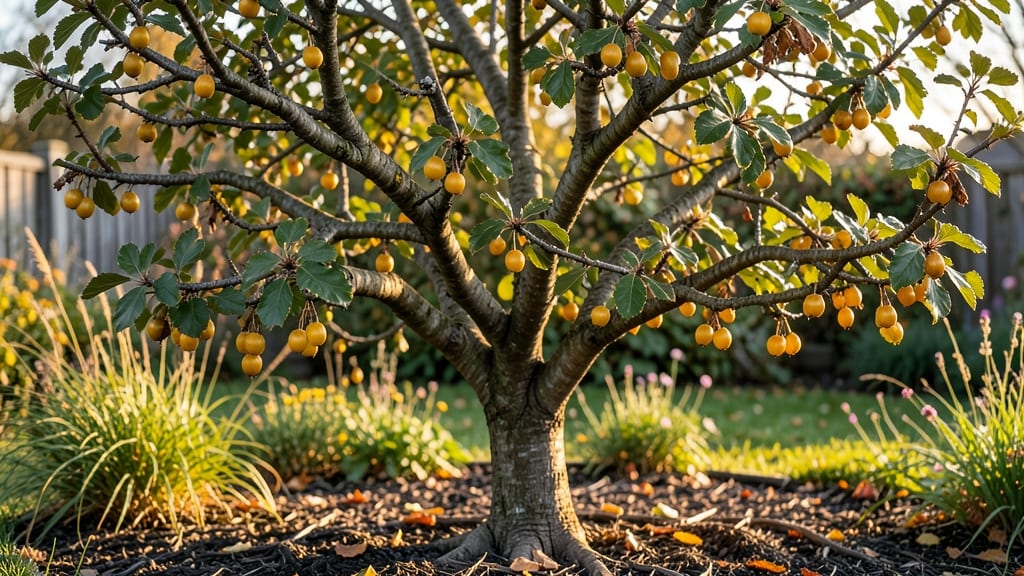
That spiky thorn tree with yellow fruit isn’t a citrus—it’s likely a hawthorn (Crataegus), and it’s one of the most rewarding small trees for both landscape and containers. 🌿 I'll never forget the first time I spotted one in a neighbor's yard, its thorns contrasting sharply with those cheerful fruits that birds adore.
These trees thrive where citrus fails, making them perfect for cooler climates and urban spaces alike.
The secret to growing them well lies in their adaptability: they handle everything from full sun to partial shade, and their roots tolerate poor soil—just avoid waterlogged spots. In containers, choose a 5-gallon pot for dwarf varieties, and expect 10-15 feet of height at maturity.
Prune in late winter to shape them while they're dormant, and you'll encourage dense growth and even more of those golden fruits.
By late summer, you'll be harvesting fruit that's perfect for jams, teas, or just snacking straight from the tree. The birds might get first pick, but with proper care, you'll have enough for both them and your kitchen.
These trees also make stunning focal points in landscapes, their thorns acting as natural barriers while their flowers attract pollinators in spring.
Whether you're in Zone 3 or 9, hawthorns adapt beautifully—just watch for fire blight in humid areas. The real magic happens when you see them loaded with fruit in fall, a sight that turns heads and fills the air with that fresh, citrusy aroma.
Ready to grow one? Let's get started!
Behind The Golden Fruit Mystery
If you’ve spotted a thorny tree bursting with bright yellow fruit—whether in your backyard, a neighbor’s yard, or a local park—you might wonder why this vibrant display appears. The answer lies in a mix of natural biology, environmental cues, and sometimes even human intervention.
Let’s break down the science behind those golden clusters and why they show up when they do.
The most straightforward reason for yellow fruit on a thorny tree (often a Citrus relative or Zanthoxylum species like prickly ash) is its genetic makeup. Many of these trees are bred or evolved to produce fruit that’s visually striking to attract animals for seed dispersal.
Yellow hues often indicate ripeness, signaling to wildlife like birds or rodents that the fruit is ready to eat—and the seeds inside are ready to spread.
For example:
- Citrus relatives (e.g., Poncirus trifoliata or hardy orange trees): Their yellow fruit is a result of selective breeding to improve cold tolerance and ornamental value. The bright color is a natural adaptation to stand out in autumn or winter.
- Prickly ash (Zanthoxylum spp.): These trees produce small, yellow berries as part of their survival strategy. The thorns deter large herbivores, while the fruit lures smaller animals.
Actionable insight: If you’re growing one of these trees, resist the urge to harvest unripe fruit—wait for the color to deepen fully. This ensures the best flavor and seed viability.
Fruit color isn’t just about genes—it’s also a response to sunlight and temperature. Yellow pigments (like carotenoids) develop in the fruit as it matures, especially when exposed to ample sunlight. Here’s how it works:
- Photosynthesis boost: More sunlight = higher sugar production in the fruit, which triggers the shift from green to yellow.
- Cooler temperatures: Many thorny fruit trees (like those in the Rutaceae family) need a period of cooler weather to “signal” the fruit to ripen. This is why you might see yellow fruit in late fall or early winter.
- Day length changes: Shorter days in autumn can stimulate the production of ethylene, a plant hormone that speeds up ripening and color change.
What to watch for:
Condition
Effect on Fruit
Full sun exposure (6+ hours/day)
Brighter yellow, sweeter flavor
Partial shade
Paler fruit, slower ripening
Unseasonably warm fall
Fruit may stay green longer or ripen unevenly
Pro tip: 🌡️ If your tree isn’t getting enough sunlight, consider pruning nearby structures or relocating potted trees to sunnier spots. A south-facing window or open patio can make a big difference!
While genetics and sunlight are the primary drivers, water stress or nutrient deficiencies can also influence fruit color and development. Here’s how:
- Overwatering: Too much moisture can dilute the fruit’s natural sugars, leading to pale or uneven yellowing. It may also cause the fruit to drop prematurely.
- Underwatering: Drought stress can trigger early ripening, but the fruit may turn yellow too quickly—often with a bitter or mealy texture.
- Nitrogen excess: Too much nitrogen (from fertilizer) promotes leafy growth at the expense of fruit development. The fruit might stay small or turn yellow unevenly.
- Potassium or magnesium deficiency: These nutrients are critical for fruit color and sweetness. Yellowing between leaf veins or poor fruit development can signal a deficiency.
Diagnosing the issue:
- Check the soil: Is it soggy, dry, or crumbly? Adjust watering accordingly.
- Test your soil: A simple pH test kit can reveal nutrient imbalances. Aim for a pH of 6.0–7.0 for most thorny fruit trees.
- Fertilize smartly: Use a balanced fertilizer (e.g., 10-10-10) in early spring, then switch to a low-nitrogen, high-potassium formula (like 5-10-10) as fruit develops.
Pro tip: ✨ For potted trees, ensure drainage holes are present to prevent root rot. Mulch around the base (but not touching the trunk) to retain moisture and regulate soil temperature.
Not all yellow fruit appears because the tree is healthy—sometimes, it’s a sign of poor pollination. Many thorny trees (especially citrus relatives) rely on bees, butterflies, or even wind to transfer pollen. If pollination fails:
- The fruit may develop but stay small, misshapen, or fail to turn fully yellow.
- You might see a mix of green and yellow fruit, indicating uneven ripening.
How to improve pollination:
- 🐝 Plant pollinator-friendly flowers nearby (e.g., lavender, marigolds, or citrus-scented blooms).
- Hand-pollinate: Use a small brush to transfer pollen from one flower to another on cloudy or windless days.
- Avoid pesticides: Chemicals can kill pollinators. Opt for organic or targeted sprays if pests are an issue.
Fun fact: Some thorny trees (like Poncirus) are self-pollinating, but cross-pollination often yields larger, more vibrant fruit.
Understanding these triggers can help you encourage—or troubleshoot—your tree’s golden fruit display. Whether it’s genetics, sunlight, soil health, or pollination, each factor plays a role in that dazzling autumnal spectacle!
Practical fixes for thorny tree troubles
If your thorny citrus-like tree isn’t thriving—or worse, is struggling with pests, diseases, or environmental stress—don’t panic! Most issues have simple, actionable solutions. Below, we break down common problems and their fixes, from quick remedies to long-term care strategies. 🌱🔧
Cause: Overproduction, poor pollination, or nutrient imbalance. Fix It:
- 🍊 Prune Strategically – Thin out excess fruit to reduce stress on the tree. Remove 30–50% of the smallest, least ripe fruits to improve size and quality.
- 🐝 Boost Pollination – Hand-pollinate flowers with a soft brush if bees are scarce. Shake branches gently on sunny days to encourage cross-pollination.
- 🌱 Feed the Roots – Apply a balanced citrus fertilizer (high in nitrogen, phosphorus, and potassium) in early spring and mid-summer. Avoid over-fertilizing, which can lead to salt buildup.
💡 Prevention Tip: Mulch with organic matter (like compost or wood chips) to retain moisture and improve soil health. Keep mulch 3–4 inches away from the trunk to prevent rot.
Cause: Weak trees attract pests, which suck sap and weaken branches. Fix It:
- 🔥 Manual Removal – For scale insects, scrape them off with a stiff brush dipped in soapy water. For aphids, blast them off with a strong spray of water.
- 🍳 Natural Sprays – Mix 1 tsp neem oil + 1 tsp dish soap + 1 quart water and spray affected areas. Repeat every 5–7 days until pests disappear.
- 👨🍳 Beneficial Insects – Introduce ladybugs or lacewings (available at garden centers) to prey on aphids naturally.
💡 Prevention Tip: Inspect new plants for pests before bringing them home. Use row covers if planting near known pest-prone areas.
Cause: Extreme temperatures shock the tree, causing leaf drop or discoloration. Fix It:
- 🌞 Shield from Sunburn – If leaves scorch in summer, provide afternoon shade with a light cloth or move potted trees to a sheltered spot.
- ❄️ Winter Protection – Wrap the trunk with burlap or use a tree guard to prevent frost cracks. Water deeply before the first freeze to reduce stress.
- 💧 Adjust Watering – Water deeply once a week in summer (more in containers) and reduce in winter unless soil is bone-dry.
💡 Prevention Tip: Choose cold-hardy citrus varieties (like Calamondin or Meyer Lemon) if you live in colder climates. Avoid transplanting during heatwaves.
Cause: Soggy soil suffocates roots, leading to yellow leaves and stunted growth. Fix It:
- ⏰ Improve Drainage – Amend heavy soil with perlite, sand, or compost to loosen it. For containers, ensure pots have drainage holes and elevate them slightly.
- 🔪 Prune Damaged Roots – If root rot is severe, carefully remove the tree, trim black/mushy roots with sterilized shears, and replant in fresh, well-draining soil.
- 🌧️ Water Smarter – Water only when the top 2 inches of soil are dry. Use a moisture meter to avoid overwatering.
💡 Prevention Tip: Never let trees sit in saucers of water. Use drip irrigation or soaker hoses to deliver water directly to roots.
Cause: Aggressive pruning or genetic traits encourage dense thorn production. Fix It:
- ✂️ Prune in Late Winter – Remove crossing or inward-growing thorns while the tree is dormant. Use long-handled pruners and wear gloves!
- 🌿 Redirect Growth – Train young trees with a support stake to grow upward rather than outward.
- 🔪 Cut at the Base – For stubborn thorns, cut as close to the trunk as possible to prevent regrowth.
💡 Prevention Tip: Wear thick gloves and long sleeves when working near thorny trees. Consider thornless citrus varieties (like Improved Meyer Lemon) if safety is a concern.
With these targeted fixes, your thorny citrus tree should bounce back stronger—and with fewer headaches! 🌿💪 Remember, consistency is key: monitor soil, pests, and weather conditions regularly to keep your tree thriving year-round.
Frequently asked questions
What are the most common types of thorn trees with yellow fruit?
The most likely candidates are hawthorn (Crataegus) and prickly ash (Zanthoxylum). Hawthorns produce bright red berries that turn yellow when overripe, while prickly ash bears small, yellow berries that birds adore. Hardy orange (Poncirus trifoliata) is another citrus relative with yellow fruit that thrives in cooler climates.
Are the fruits from these trees edible?
Yes! Hawthorn berries are edible when fully ripe (yellowish-red) and can be used in jams or teas. Prickly ash berries are edible too but have a peppery kick. Hardy orange fruits are sweet and citrusy—perfect for snacks or preserves. Always confirm identification before eating wild fruits, as some lookalikes may be toxic.
How do I tell if my tree is a hawthorn or something else?
Look for clustered thorns (usually in groups of 2-5) and lobed leaves on hawthorns. Prickly ash has compound leaves and small, star-shaped flowers before the yellow berries appear. Hardy orange trees have thick, glossy leaves and a more citrus-like scent when crushed.
Can these trees grow in containers?
Dwarf varieties of hawthorn and hardy orange thrive in 5-gallon containers with well-draining soil. Use a mix of potting soil and perlite, and ensure the pot has drainage holes. Prune regularly to control size, and move containers to sunnier spots in winter if needed.
Why aren’t my tree’s fruits turning yellow?
Yellow fruit development depends on sunlight, temperature shifts, and proper pollination. Ensure your tree gets 6+ hours of sun daily and avoid overwatering. If flowers don’t set fruit, hand-pollinate with a soft brush or plant pollinator-friendly flowers nearby.