
Flowers
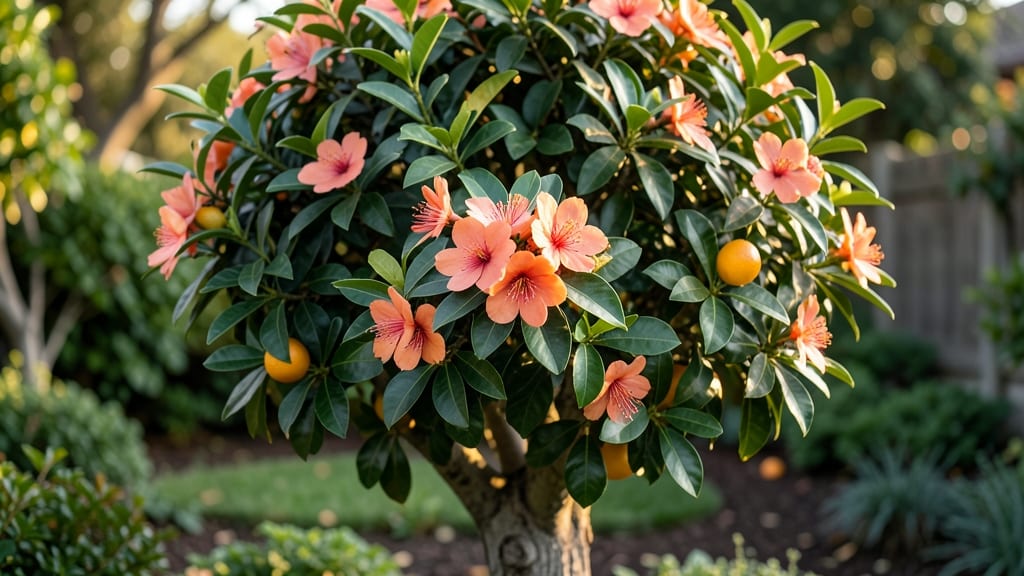
That orange-flowering tree lighting up your South Florida landscape? 🌺 The Royal Poinciana (Delonix regia) doesn’t just tolerate the heat—it thrives in it, bursting into fiery blooms that turn summer into a postcard-worthy season.
I’ve watched mine transform from bare branches in winter to a 15-foot-tall explosion of color by June, and trust me, neighbors will stop to ask what you’re growing.
This isn’t just a pretty face—it’s a drought-tolerant powerhouse that handles humidity, salt spray, and even hurricane-force winds like a champ. The feathery, fern-like foliage stays lush year-round, and those 3-inch-wide orange flowers (with yellow centers) aren’t just stunning—they’re hummingbird magnets.
Plant one near a seating area, and you’ll have both shade and a showstopper for sunset drinks.
Maintenance is surprisingly low: prune only to shape (never to remove flowers), water deeply once established, and watch it reward you with six weeks of nonstop blooms. The trade-off? Those seed pods do litter the ground—rake them up if you’re picky, or let them feed the birds.
Either way, the trade-off is worth it for that sunset glow no other tree delivers.
Perfect for focal points, street trees, or mixed borders—just give it space to spread its wings. Pair it with palmettos or coastal shrubs for a true Florida native vibe, and you’ve got a landscape that’s as resilient as it is beautiful.
📚 In This Guide
- What you need
- Instructions
- Tips and common mistakes
- Wrapping up and next steps
What you need
- ● Royal Poinciana seeds or saplings (1-3 plants, depending on desired size and spacing). Tip: Buy from a local nursery specializing in native Florida flora for the best adaptation.
- ● Well-draining soil mix (50% native soil + 50% compost or sand). Pro Tip: Royal Poincianas thrive in sandy, slightly acidic soil (pH 6.0-7.5)—avoid heavy clay!
- ○ Shovel or trowel (for digging holes, 12-18 inches deep and wide). Mulch (pine bark or wood chips) (2-3 inches thick, keep 6 inches away from the trunk). Drip irrigation system or hose with a gentle spray nozzle (for consistent watering). Fertilizer (optional but recommended): Slow-release citrus or palm fertilizer (e.g., 8-2-12 NPK ratio, 1 lb per tree). Micronutrient blend (magnesium, iron, and zinc) to prevent deficiencies.
- ● Pruning shears or loppers (for shaping young trees or removing dead branches). Tree stakes and ties (if planting in windy areas, use 3-4 stakes per tree). Pest control (neem oil or systemic insecticide) (for aphids, scale, or borers—common in Florida). Sunlight meter (to ensure your spot gets full sun (6+ hours/day)). Gloves and knee pads (because gardening is hard work!).
- ● USDA Hardiness Zones 10-11 (South Florida is perfect!). Full sun exposure (no shade—this tree loves to bask!). Drought-tolerant once established (but water deeply 2-3x/week for the first year). Space to grow: Mature trees reach 30-40 feet tall and wide—plan accordingly!
Instructions for planting and caring for Royal Poinciana trees
This stunning tree thrives in South Florida’s heat and humidity—here’s how to plant and maintain it for years of vibrant orange blooms.
🌱 Step 1: Choose the Perfect Planting Spot
Royal Poincianas demand full sun—at least 6-8 hours daily—and well-draining soil. In South Florida, this means avoiding low-lying areas where water pools after heavy rains. I always test soil drainage by digging a 1-foot hole and filling it with water; if it drains in under an hour, the spot is ideal.
This tree grows 30-50 feet tall with a sprawling canopy, so plant it 30 feet from structures, power lines, and sidewalks to prevent future conflicts. The roots spread aggressively, so avoid planting near foundations or underground utilities. In urban settings, I often recommend container planting for smaller properties.
🪴 Step 2: Plant at the Right Time and Depth
Plant your Royal Poinciana in late winter or early spring, when temperatures are mild but still warm enough for root establishment. Dig a hole twice as wide and just as deep as the root ball to encourage outward root growth. The top of the root ball should sit 1-2 inches above ground level—never deeper, as this can suffocate the tree.
Backfill with native soil mixed with compost or organic matter to improve drainage and fertility. Water deeply immediately after planting to eliminate air pockets, then create a 2-inch deep watering basin around the base. This tree’s thirsty roots need consistent moisture during the first 6-12 months to establish properly.
☀️ Step 3: Water and Fertilize for Optimal Growth
Royal Poincianas are drought-tolerant once established, but young trees need deep watering 2-3 times per week during the first year. You’ll know you’ve watered enough when the soil 6 inches down feels moist—probe with your finger to check. Overwatering causes root rot, so always let the top 2 inches of soil dry out between waterings.
Fertilize in early spring with a balanced 6-6-6 or 8-3-9 formula to encourage vigorous growth and flowering. Apply fertilizer 10 feet away from the trunk in a circular pattern, then water deeply to help nutrients penetrate the soil. Avoid high-nitrogen fertilizers, which promote leafy growth at the expense of flowers.
✂️ Step 4: Prune Strategically for Health and Beauty
Prune Royal Poincianas in late winter or early spring, before new growth begins. Remove dead, diseased, or crossing branches first, then thin the canopy to improve airflow and sunlight penetration. This tree naturally sheds its leaves in winter, so avoid heavy pruning during this time—focus on shaping rather than drastic cuts.
Never remove more than 25% of the canopy at once, as this stresses the tree and reduces flowering. I recommend using clean, sharp pruning shears to make cuts just outside the branch collar. Seal larger wounds with pruning sealant to prevent disease entry, but skip this for small cuts—air drying is sufficient.
🌿 Step 5: Protect Against Common Pests and Diseases
Royal Poincianas are relatively pest-resistant, but watch for scale insects or spider mites, which thrive in dry conditions. I treat infestations with a horticultural oil spray applied in early morning or late evening to avoid harming beneficial insects. For severe cases, a systemic insecticide may be necessary, but I’ve found prevention through proper watering and mulching works best.
Fungal diseases like root rot or powdery mildew occur in poorly draining soil or overly humid conditions. Improve airflow around the tree by pruning densely packed branches and avoid overhead watering. If you notice yellowing leaves or black spots, remove affected foliage immediately and apply a copper-based fungicide as a preventive measure.
Tips & tricks for perfect Royal Poinciana planting and care
Between us, I've watched Royal Poincianas transform yards—and I've also seen them struggle when planted in the wrong spot or neglected. Here's what nobody tells you about making these trees thrive in South Florida's brutal climate.
Location is Everything: The 6-8 hours of daily sun requirement isn't just about sunlight—it's about heat tolerance. South Florida's summer sun can scorch young leaves, so I always plant mine on the western side of properties where they get afternoon sun but aren't blasted by midday's harshest rays. The 30-foot clearance isn't arbitrary—those roots will spread that far, and they're aggressive enough to crack sidewalks if planted too close.
Root Ball Secrets: That 1-2 inch elevation above ground level might seem minor, but it's critical. I've seen trees planted too deep suffocate within months because the root flare can't breathe. When backfilling, mix in compost or organic matter right up to the root ball's edge—this creates a natural transition zone that prevents soil compaction right against the roots.
Watering Wisdom: The 6-12 months of consistent moisture is non-negotiable, but here's the trick: I water deeply every other day during South Florida's dry season (November-April) rather than following the 2-3 times per week guideline. This prevents shallow root development while still keeping that 6-inch depth moist. The 2-inch watering basin should be wider than the canopy's drip line—think of it as creating a moat that encourages roots to spread outward.
Pruning Pro Tips: When pruning those 25% limits, focus on removing branches that grow inward or downward—they're the ones that create that dense canopy that blocks sunlight. I always make my cuts just outside the branch collar and at a slight angle to prevent water from pooling. For larger cuts, I use a pruning sealant, but I've found that for Royal Poincianas, the tree's natural healing response is actually better when you let small cuts air dry.
Pro Tips for South Florida Tree With Orange Flowers
- Between us, I've watched Royal Poincianas transform yards—and I've also seen them struggle when planted in the wrong spot or neglected.
- Location is Everything: The 6-8 hours of daily sun requirement isn't just about sunlight—it's about heat tolerance.
- Root Ball Secrets: That 1-2 inch elevation above ground level might seem minor, but it's critical.
Frequently asked questions
Got questions about South Florida’s fiery orange-flowered tree?
Here are answers to the most common ones—from care tips to seasonal surprises!
What’s the best time to plant a Royal Poinciana in South Florida?
The ideal time is late winter or early spring (February–March) when temperatures are mild. Planting during the dry season avoids stress from heavy rains. If you must plant in summer, provide extra water and shade to help it establish roots. Avoid fall—hurricane season can damage young trees!
How much water does a Royal Poinciana need?
Newly planted trees need deep watering 2–3 times per week for the first year. Once established, they’re drought-tolerant—water only during prolonged dry spells (every 2–4 weeks). Overwatering is worse than underwatering; these trees thrive in sandy, well-draining soil. Pro tip: Mulch around the base to retain moisture!
Why aren’t my Royal Poinciana’s flowers as vibrant as others?
Orange flowers may fade or be sparse due to over-fertilizing (especially with high-nitrogen), poor drainage, or inconsistent watering. Prune dead branches in late winter to encourage new growth. If the tree is young (<5 years), patience is key—full blooms often take time! Bonus: Full sun exposure (6+ hours/day) maximizes color intensity.
Are there non-flowering alternatives to Royal Poinciana in South Florida?
Yes! If you love orange accents but want low-maintenance options, try:
- Firebush (Hamelia patens) – Bright red-orange flowers, attracts hummingbirds.
- Jacaranda – Lavender-blue blooms (spring), drought-resistant.
- Tabebuia (Purple Trumpet Tree) – Pink-purple flowers, fast-growing.
- Bougainvillea – Vibrant orange/pink bracts, thrives in heat.
Is Royal Poinciana invasive in South Florida?
While not highly invasive like Australian Pine, Royal Poinciana can spread via seeds and self-sow in ideal conditions (disturbed soils, full sun). To control it:
- Remove seed pods before they drop.
- Avoid planting near storm drains or natural waterways.
- Prune aggressively to limit seed production.
Wrapping up and next steps
The Royal Poinciana isn’t just a tree—it’s a showstopper that turns South Florida’s summer skies into a fiery canvas. From its vibrant orange blooms to its cultural significance, this iconic tree brings joy, shade, and a touch of tropical magic to any landscape.
Whether you’re admiring it in a park, adding it to your yard, or simply dreaming of its beauty, the Royal Poinciana reminds us that nature’s best art is free for all to enjoy.
Ready to make this flaming treasure part of your world? Start by reaching out to a local nursery or landscape expert—your future orange-flowered paradise awaits!