
Pruning
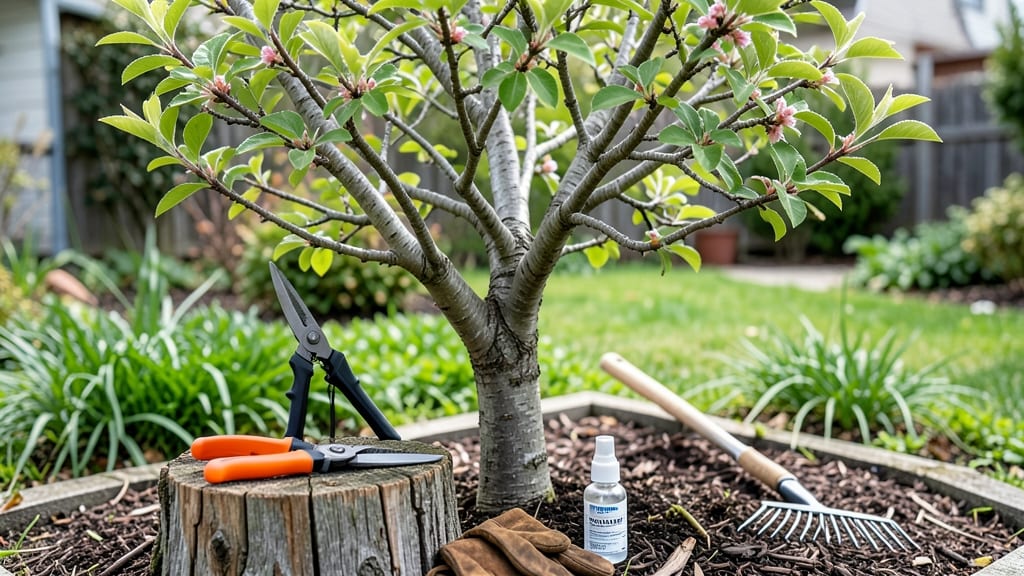
Pruning your small peach tree using a small peach tree pruning diagram isn’t just about shaping—it’s the secret to healthy fruit production and strong growth. 🌿 I’ve pruned dozens of peach trees, and the difference between a neglected tree and a thriving one comes down to a few key cuts made at the right time.
The best time to prune is late winter or early spring, right before buds swell but before new growth starts. You’ll need sharp pruners, loppers for thicker branches, and a diagram to visualize where to cut—because peach trees need open centers to let sunlight reach the fruit.
Dead, crossing, or weak branches go first, followed by cuts that encourage airflow and sunlight penetration. By the end of the season, you’ll see fuller branches, more blossoms, and fewer problems with disease. The tree will reward you with sweeter fruit and easier maintenance next year.
And don’t worry—even if you’ve never pruned before, these steps make it simple. We’ll cover the tools you need, how to make clean cuts, and what to avoid (like over-pruning or cutting too close to the trunk). Let’s get your peach tree ready for its best harvest yet!
📚 In This Guide
- What you need
- Instructions
- Tips and common mistakes
- Wrapping up and next steps
What you need
- ● Bypass pruners – Sharp, clean bypass pruners (not anvil) for precise cuts on branches up to ½-inch thick.
- ● Loppers – Heavy-duty loppers for branches between ½-inch to 1½-inches thick.
- ● Hand saw – A pruning saw with a fine-toothed blade for thicker branches (over 1½-inches).
- ● Disinfectant (70% rubbing alcohol or bleach solution) – To sterilize tools between cuts and prevent disease spread.
- ● Gloves – Heavy-duty gardening gloves to protect hands from thorns and rough bark.
- ○ Pruning sealant (optional but helpful) – A tree wound sealant (like Tanglefoot Tree Wound Pruning Sealer) for large cuts to reduce infection risk.
- ● Ladder or step stool – For safe access to higher branches (if your tree is over 6 feet tall).
- ● Sharpie or marker – To label branches for future reference (if needed).
- ● Bucket or trash bag – For collecting pruned branches and debris.
- ● Pruning diagram or sketch – Print a small peach tree pruning diagram (like the one in this guide!) to visualize cuts before starting.
- ● Extension pole pruners – For hard-to-reach branches without a ladder.
- ● Safety glasses – To protect eyes from debris.
- ● Notebook & pen – To jot down notes on cuts made (e.g., "removed 3 suckers from trunk").
Step-by-step guide to pruning a small peach tree
Here's how I keep my peach trees thriving with precise cuts that boost fruit production and airflow.
🌿 Step 1: Identify and Remove Dead or Diseased Wood
Start by examining the entire tree for branches that are brown, brittle, or showing signs of disease like fungal spots or oozing sap. These are your first targets—they're not just ugly, they're energy vampires that drain your tree. Use clean, sharp pruning shears to make your cuts at a 45-degree angle, about ¼ inch above a bud that faces outward.
I always work from the bottom up so I don't accidentally damage healthy branches while cleaning up the dead ones. If you spot any suckers growing from the base or trunk, snip those too—they'll compete with your main tree for nutrients. Remember, you're not just pruning for shape, you're creating a healthier framework for next year's fruit.
✂️ Step 2: Thin the Canopy for Better Airflow
Peach trees need good airflow to prevent fungal diseases like brown rot. Aim to remove about 20-25% of the tree's canopy volume by selectively thinning out crowded branches. Look for areas where branches cross or rub against each other—these are prime spots for disease entry. When you remove a branch, cut back to a lateral branch or bud that grows outward to maintain the tree's natural shape.
I focus on the center of the tree first, working my way outward. This creates an open vase shape that lets sunlight penetrate to the inner branches. You'll know you're doing it right when you can see light filtering through the canopy. Never remove more than ⅓ of the tree's foliage in one year—this stresses the tree and reduces fruit production.
☀️ Step 3: Shape the Tree for Optimal Fruit Production
Peach trees fruit best on branches that receive full sun and good airflow. Start by selecting 3-5 main scaffold branches that are evenly spaced around the trunk. These should be 6-12 inches apart and form a natural vase shape. Remove any competing branches that grow straight up or inward—they'll either block sunlight or create crowded conditions.
For the remaining branches, I make my cuts just above an outward-facing bud. This encourages new growth that will spread the canopy rather than crowd the center. You'll see the tree's natural structure emerge as you work. If you're unsure which branches to keep, imagine sunlight filtering through—your goal is to create a balanced silhouette that lets light reach all parts of the tree.
🪴 Step 4: Prune for Fruit Bearing Wood
Peach trees produce fruit on 1-year-old wood, so focus your pruning on maintaining this growth. Remove any branches older than 3-4 years that are no longer producing well. These become woody and less productive. When you cut back older branches, make your cut just above a bud that will encourage new, fruiting wood.
I always step back after each cut to visualize the tree's shape. You're not just trimming branches—you're sculpting the tree's future fruit production. Look for areas where the branches are too dense and thin them out. Remember, peach trees are heavy fruit producers, so you want to distribute the weight evenly to prevent branch breakage during harvest season.
⏰ Step 5: Clean Up and Monitor
After finishing your cuts, gather all the pruned branches and remove them from the area. Don't leave them on the ground—they can harbor pests and diseases that will reinfect your tree. Sterilize your pruning tools with rubbing alcohol between cuts to prevent spreading any potential pathogens.
Water the tree deeply after pruning to help it recover. You'll see new growth emerge within 2-3 weeks if you've pruned at the right time (late winter or early spring, before buds swell). Monitor the tree regularly during the growing season, removing any suckers or water sprouts that appear. A well-pruned peach tree will reward you with abundant fruit and a healthier structure year after year.
Tips & tricks for perfect peach tree pruning
Here's what nobody tells you about pruning that'll make all the difference in your tree's health.
Tool Selection: Never use dull pruning shears—they crush branches instead of making clean cuts. I invest in bypass pruners with sharp, replaceable blades for precise cuts. For branches thicker than 1 inch, use a pruning saw with a fine-tooth blade to avoid tearing the bark. Always sterilize your tools between cuts with rubbing alcohol to prevent spreading disease. This simple step saved my first tree from brown rot.
Visualizing the Vase Shape: In Step 3, when shaping your tree, imagine an open vase with sunlight pouring through. The goal is to create a framework where the main scaffold branches form a natural cone shape, spreading outward. I sketch a rough outline on paper first—this helps me visualize where to make cuts. The key is maintaining that 6-12 inch spacing between branches to prevent crowding. Think of it like arranging chairs around a dinner table—you want everyone to have space.
Timing is Everything: The 2-3 week window mentioned for new growth is critical. Prune during late winter or early spring, just before buds begin to swell but before any leaves appear. This timing gives your tree the entire growing season to recover and produce new fruit-bearing wood. I mark my calendar for February 15th—this is when I know my local peach trees will be dormant but ready to respond to pruning. If you prune too early, you risk exposing the tree to late winter frosts; too late, and you'll remove potential fruit buds.
Post-Pruning Care: After finishing your cuts, don't just walk away! The deep watering mentioned is just the beginning. I apply a 2-3 inch layer of mulch around the base (keeping it 3-4 inches away from the trunk) to retain moisture and regulate soil temperature. This helps the tree recover faster. I also make a point to monitor for any new suckers or water sprouts that appear during the growing season—removing them promptly prevents competition with your main branches.
Pro Tips for Small Peach Tree Pruning Diagram
- Here's what nobody tells you about pruning that'll make all the difference in your tree's health.
- Tool Selection: Never use dull pruning shears—they crush branches instead of making clean cuts.
- Visualizing the Vase Shape: In Step 3, when shaping your tree, imagine an open vase with sunlight pouring through.
Frequently asked questions
Got questions about pruning your small peach tree? You’re not alone! Here are some of the most common concerns—and clear answers to help you prune with confidence.
When is the best time to prune a small peach tree?
Prune your peach tree dormant season (late winter or early spring, before buds swell) for best results. Avoid heavy pruning in fall—it can leave wounds vulnerable to disease. Light shaping in summer (after harvest) is fine, but focus on removing dead or diseased branches year-round.
How do I know which branches to cut on a young peach tree?
Look for:
- Dead/diseased branches (brown, brittle, or oozing sap)
- Crossing or rubbing branches (they compete for space and damage each other)
- Suckers (shoots growing from the base or trunk)
- Overcrowded growth (thin out to improve airflow and sunlight)
What if I prune too much? Can I kill my peach tree?
Peach trees are resilient, but never remove more than 25% of the canopy in one season—especially for young trees. Heavy pruning stresses the tree, reducing fruit production. If you’ve already over-pruned, focus on watering deeply and fertilizing lightly to help recovery. Next year, prune lightly to restore balance.
Does pruning affect fruit production?
Yes! Proper pruning boosts fruit quality and quantity by:
- Improving sunlight penetration (more energy for fruit)
- Enhancing airflow (reduces disease risk)
- Encouraging larger, healthier branches to bear fruit
Can I use the same pruning techniques for a dwarf peach tree?
Most techniques apply, but dwarf trees need gentler pruning—they’re more sensitive to over-trimming. Use the same 30° angle cuts and avoid removing more than 15-20% of growth per year. Dwarf trees also benefit from annual light pruning to maintain their compact size. Check our diagram for size-specific tips!
Wrapping up and next steps
Pruning your small peach tree might feel like a challenge, but with the right diagram and techniques, you’ll unlock healthier growth, better fruit production, and a tree that thrives for years. 🌱 Remember, the key is patience—take your time, follow the 3-D cut method, and always prioritize air circulation and sunlight.
Now that you’re armed with knowledge, grab those pruners and give your peach tree the care it deserves!
Ready to see your hard work pay off? Mark your calendar for next year’s pruning season and watch your tree flourish! 🌟