
Pruning
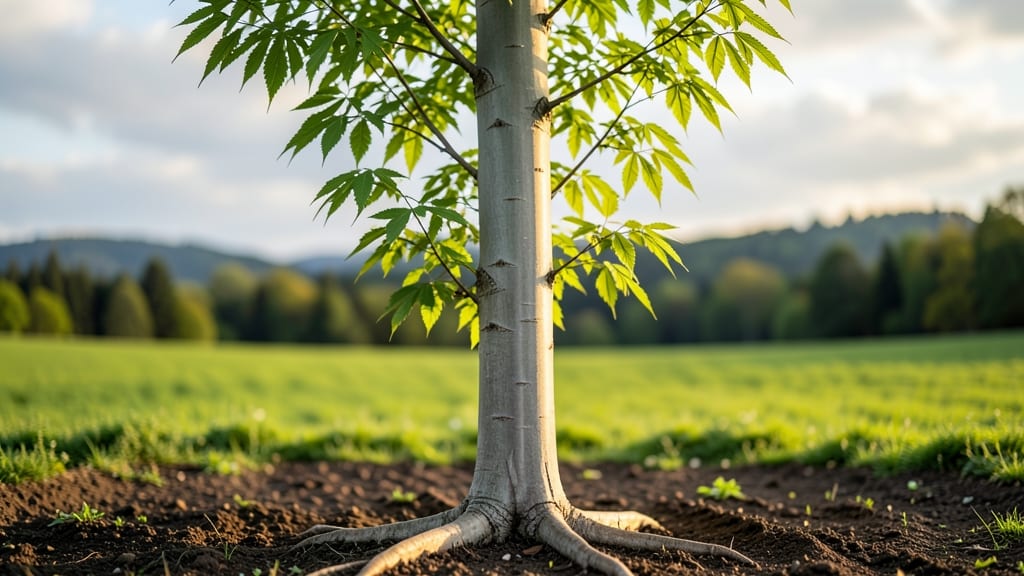
Fast growth is poplar trees' superpower—until it turns your South Carolina yard into a tangled mess. ✂️ I’ve wrestled with Eastern Cottonwoods and Carolina Poplars here, and the secret to keeping them under control isn’t brute-force pruning—it’s strategic cuts that redirect their energy.
One wrong move, and you’ll spend all summer chasing wayward branches. The key starts with timing: prune in late winter or early spring before new growth kicks in. Use sharp loppers to make clean cuts just above outward-facing buds, and never remove more than 25% of the canopy at once.
Poplars bounce back fast, but aggressive pruning triggers even more rapid regrowth—exactly what you’re trying to avoid. By mid-summer, you’ll see fuller branches with fewer stragglers, and the tree’s energy will focus on stronger structure instead of wild shoots. The trade-off?
You’ll still need annual maintenance, but the growth stays manageable. Just watch for those sucker sprouts at the base—they’re relentless. For South Carolina growers, this method works for both native species. Just skip the heavy-handed approach, and your poplar will stay tall, proud, and (mostly) cooperative—no chainsaw battles required.
📚 In This Guide
- What you need
- Instructions
- Tips and common mistakes
- Wrapping up and next steps
What you need
- ● Pruning shears: Bypass pruners (for cuts up to ½ inch in diameter). Recommended: Felco F-2 or Corona Tools 1000D.
- ● Loppers: For branches ¾ inch to 2 inches thick. Look for: Telescoping handles for reach.
- ● Pruning saw: Curved-tooth saw for branches 2+ inches thick. Example: Fiskars X27.
- ● Ladder: Extendable aluminum ladder (16–20 ft) with non-slip feet. Safety tip: Always use a spotter for height.
- ● Gloves: Heavy-duty, cut-resistant gloves (e.g., Mechanix Wear or Pyramex).
- ● Disinfectant: 70% isopropyl alcohol or 10% bleach solution (1 part bleach to 9 parts water) to sterilize tools between cuts.
- ○ Sealer: Tree wound pruning sealant (optional but helpful for large cuts; e.g., Tanglefoot Tree Wound Pruning Seal).
- ● Heavy-duty trash bags: For collecting debris (5–10 gallons).
- ● Safety gear: Safety glasses (ANSI Z87.1 rated).
- ● Ear protection (if using a chainsaw for thick branches).
- ● Long sleeves/pants (to protect from sap and branches).
- ● Chainsaw: For very large branches (3+ inches). Example: Husqvarna 455 Rancher (with a sharp chain!).
- ● Pole saw: Extendable saw for high branches (e.g., Fiskars X7).
- ● Tree bag: Mesh bag to collect debris and prevent disease spread.
- ● Marking spray: Paint or chalk to mark branches for removal (great for planning!).
- ● First-aid kit: For minor cuts or scrapes (because safety first!).
- ● Check the best time to prune in SC: Late winter to early spring (Feb–March) when the tree is dormant but before new growth starts.
- ● Confirm the tree’s health: Look for signs of disease (e.g., oozing sap, fungal growth) or pests. Pro tip: Poplars are prone to poplar borer—inspect closely!
- ● Weather check: Prune on a dry, calm day (no rain forecasted for 24 hours). Humidity in SC can slow healing.
- ● Clear the area: Remove obstacles (decks, cars, pets) within a 10-foot radius of the tree.
Step-by-step pruning for fast poplar growth control in South Carolina
Here's how to prune poplars for rapid growth while keeping them manageable in our hot, humid climate.
🌿 Step 1: Time Your Pruning for Maximum Growth Response
Prune poplars in late winter to early spring, right before new growth begins. This timing ensures you're cutting when the tree has stored energy but hasn't yet pushed new shoots. In South Carolina, aim for February through March when temperatures stay above 40°F at night. Avoid pruning in summer—you'll trigger weak, water-sprout growth that's vulnerable to disease.
Look for swollen buds along the branches—these signal the tree's imminent growth phase. When you see 30-40% of buds swollen, that's your window. Pruning too early removes next season's growth potential, while waiting too long stresses the tree.
✂️ Step 2: Remove Dead, Diseased, and Crossing Branches First
Start by eliminating any branches that are dead, diseased, or crossing—these compete with healthy growth. Use clean, sharp pruners to make cuts just outside the branch collar (the swollen area where the branch meets the trunk). For branches over 2 inches thick, use a pruning saw for clean cuts that won't tear.
In poplars, watch for brown, brittle wood or branches with no leaves in winter—these are dead. Also remove any branches growing toward the center of the tree. South Carolina's humidity makes poplars prone to fungal infections, so don't leave stubs. Cut all branches back to their origin point to prevent decay.
☀️ Step 3: Thin the Canopy for Better Airflow and Light
Selectively remove 25-30% of the tree's branches to improve airflow and sunlight penetration. Focus on branches that are too close together or growing upward rather than outward. Remove entire branches at their base rather than just cutting back the ends—this encourages stronger regrowth.
Step back frequently to visualize the tree's shape. You want an open canopy that lets sunlight reach the lower branches. In poplars, this prevents the "laddering" effect where branches grow straight up in dense clusters. Aim for a well-spaced, vase-like shape that's natural for poplars but controlled for faster, healthier growth.
🌱 Step 4: Control Water Sprouts and Suckers Immediately
Poplars produce aggressive water sprouts—fast-growing, weak shoots that rob energy from the main trunk. Remove these as soon as you see them, ideally within 2-3 weeks of emergence. Use pruners to cut them at the base, right where they meet the trunk or larger branch.
Also watch for suckers—shoots growing from the tree's roots or base. These compete with the main tree for nutrients. Cut them off at ground level with a sharp spade or pruners. In South Carolina's heat, water sprouts grow especially fast, so check your tree weekly during spring and summer to stay ahead.
⏰ Step 5: Fertilize and Water for Fast Recovery
After pruning, apply a balanced 10-10-10 fertilizer around the tree's drip line (the edge of its canopy). Water deeply to help the tree recover. Poplars in South Carolina benefit from 1-2 inches of water per week, especially during dry spells. Use a rain gauge to track moisture—our clay soils can dry out quickly.
Watch for new growth within 4-6 weeks—this confirms the tree is responding well. If you see yellowing leaves or slow growth, the tree may need more nitrogen. In that case, apply a second round of fertilizer in early summer. Pruning stimulates growth, so keep soil moist but not waterlogged during the recovery period.
Tips & tricks for fast poplar growth control in Southern climates
Real talk: Pruning poplars in South Carolina's heat and humidity isn't just about cutting branches—it's about timing, technique, and understanding how these fast-growing trees respond. Here's what nobody tells you about keeping your poplars thriving.
Timing is Everything: I've seen poplars stressed from pruning at the wrong time, and it's heartbreaking. The February-March window is critical because that's when the tree has stored energy from last year's growth but hasn't yet pushed new shoots. If you prune too early, you're removing next season's growth potential. If you wait too long, you risk stressing the tree as it prepares for spring. Here's a pro move: Check for swollen buds—when you see 30-40% of them swollen, that's your exact window. In South Carolina's unpredictable spring, this could mean waiting until late March in some years.
Equipment Matters More Than You Think: I learned this the hard way after ruining three cuts with dull tools. Always use clean, sharp pruners for branches under 2 inches thick, and a pruning saw for anything thicker. Dull tools crush branches instead of making clean cuts, which invites disease—especially problematic in our humid climate. Sterilize your tools between cuts with rubbing alcohol to prevent spreading fungal infections. And here's the thing about poplars: They bleed heavily when cut. This sap flow isn't harmful, but it can attract pests if left on the tree, so clean up those cuts immediately.
Canopy Thinning Strategy: The 25-30% thinning guideline is your starting point, but don't just remove branches randomly. Focus on creating what arborists call "light penetration pathways"—think of it like opening windows in your tree's canopy. Remove branches that are growing straight up (they create that unsightly laddering effect) and those that are too close together. Step back every few cuts to visualize the shape. You're aiming for a vase-like silhouette that's open enough for sunlight to reach all branches but still maintains the poplar's natural form. In our climate, this prevents fungal issues from poor airflow.
Sucker and Sprout Rescue Plan: Poplars are notorious for water sprouts and suckers, and in South Carolina's heat, these grow like weeds. The key is vigilance: Check your tree weekly during spring and summer. When you spot those fast-growing shoots within 2-3 weeks of emergence, cut them at the base immediately. I've seen poplars completely taken over by suckers that robbed the main trunk of all its energy. Use a sharp spade for suckers at ground level—don't just pull them, which can damage the root system. This might seem tedious, but it's the difference between a healthy tree and one that's constantly fighting for its life.
Pro Tips for Poplar Tree South Carolina
- Real talk: Pruning poplars in South Carolina's heat and humidity isn't just about cutting branches—it's about timing, technique, and understanding how these fast-growing trees respond.
- Timing is Everything: I've seen poplars stressed from pruning at the wrong time, and it's heartbreaking.
- Equipment Matters More Than You Think: I learned this the hard way after ruining three cuts with dull tools.
Frequently asked questions
Got questions about pruning poplar trees in South Carolina? You’re not alone! Here are answers to the most common concerns—from timing to troubleshooting—so you can keep your fast-growing poplars healthy and under control.
When is the best time to prune poplar trees in South Carolina?
The ideal window is late winter to early spring (February–March), just before new growth begins. Avoid pruning in fall—it can stimulate late-season growth vulnerable to frost damage. For minor shaping, summer pruning is fine, but avoid heavy cuts during hot spells to reduce stress.
How often should I prune my poplar tree to control its rapid growth?
Poplars grow aggressively, so annual pruning is key! Focus on removing water sprouts (shoot-like growths) and thinning crowded branches in early spring. For established trees, a light pruning every 6–12 months maintains shape and slows unchecked expansion. Skip over-pruning—it can weaken the tree.
Why do my poplar tree’s branches keep growing back after pruning?
Poplars are prolific regrowers—they’ll sprout new branches from old cuts if not pruned correctly. Use sharp tools to make clean cuts just above a bud (angled ¼” above) or at a branch collar. Seal larger wounds (>2” diameter) with pruning paint to prevent disease. For stubborn suckers, apply dormant oil in late winter.
Are there faster-growing alternatives to poplar trees for South Carolina?
If poplars are too high-maintenance, consider these fast-growing but lower-maintenance options:
- Southern Magnolia (3–4 ft/year): Drought-tolerant and pest-resistant.
- Green Ash (3–5 ft/year): Handles humidity well and recovers from pruning.
- River Birch (2–3 ft/year): Adaptable to wet/dry soil and less aggressive.
What’s the best tool for pruning poplar trees safely?
Use the right tool for the job:
- Hand pruners (for branches <1” thick).
- Loppers (1.5–2” diameter branches).
- Pruning saw (for thicker branches).
- Pole saw (for high branches—safety first!).
Wrapping up and next steps
Pruning your poplar tree in South Carolina doesn’t have to be a daunting task—it’s all about timing, technique, and consistency! By following the right steps, you’ll encourage healthier growth while keeping your tree under control in the humid Southern climate. 🌳✂️
Ready to take action? Start by marking your calendar for late winter or early spring—this is the perfect window to prune for optimal results. Grab your tools, follow the guidelines, and watch your poplar thrive with stronger branches and faster, managed growth!