
Companion Plants
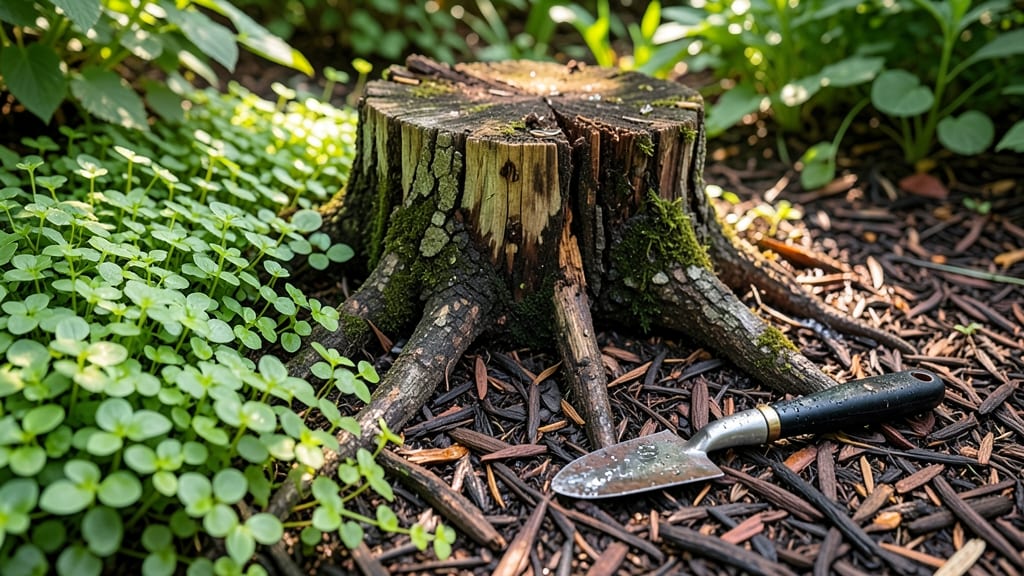
Covering tree stumps fast is the secret to transforming an eyesore into a lush, polished garden feature in just three seasons. 🌿 I’ve turned bare stumps into vibrant focal points using plants that grow aggressively, hide the wood, and even improve soil health—no more staring at that ugly stump while your neighbors admire their manicured beds.
The right plants thrive in stump conditions: partial shade, compacted soil, and limited space. My go-to choices—like bamboo, hostas, or creeping jenny—spread quickly, suppress weeds, and add texture. They handle moisture fluctuations better than most garden plants, which is key since stumps retain dampness longer than surrounding soil.
By year two, your stump will be completely covered with foliage, and by year three, it’ll look intentional. The best part? These plants need minimal care once established—just occasional trimming to keep them tidy and water during dry spells.
For shade gardens, try foamflower or ajuga; for sun, sedge or ornamental grasses work best. Native options like wild ginger blend seamlessly into the landscape while supporting local ecosystems. Let’s get that stump looking like part of the design!
📚 In This Guide
- What you need
- Instructions
- Tips and common mistakes
- Wrapping up and next steps
What you need
- ● Fast-growing plants: Choose 3–5 of these top picks (quantities depend on stump size): Fern (e.g., Osmunda cinnamomea) – 5–10 plants
- ● Hostas (e.g., Hosta sieboldiana) – 3–6 plants
- ● Hellebores (e.g., Helleborus niger) – 4–8 plants
- ● Astilbe (e.g., Astilbe chinensis) – 3–5 plants
- ● Coral Bells (Heuchera) – 4–7 plants
- ● Mulch: 2–3 bags of organic mulch (e.g., shredded bark or wood chips) – ~1 cubic yard total
- ● Compost: 1–2 bags of high-quality compost (for soil enrichment)
- ● Slow-release fertilizer: 1–2 bags (e.g., 10-10-10 or organic options like fish emulsion)
- ● Garden gloves (1 pair – waterproof recommended)
- ● Hand trowel or transplant spade (for digging small holes)
- ● Pruners or shears (to trim plants to size)
- ● Garden rake (for leveling soil and spreading mulch)
- ● Watering can or hose with a gentle spray nozzle
- ○ Optional: Soil pH tester (to check acidity/alkalinity)
- ● Mulch spreader (for larger stumps)
- ● Stump-covering fabric (e.g., landscape fabric) – if using for extra moisture retention
- ● ✔️ A fully removed stump (or one with rotted wood exposed for faster plant growth)
- ● ✔️ Well-draining soil (amend with compost if clay-heavy)
- ● ✔️ Partial to full shade (most stump-covering plants thrive here)
- ● ✔️ 3–4 hours of sunlight daily (for faster growth)
- ● ✔️ Consistent watering plan (especially in the first 2–3 weeks)
How to select and plant fast-growing stump cover plants
Here’s how to transform bare tree stumps into a lush, living privacy screen in record time.
🌱 Step 1: Choose Fast-Growing, Stump-Friendly Plants
Prioritize species that thrive in shallow, rocky soil and tolerate root competition. I recommend bamboo (clumping varieties like Fargesia), sumac (Rhus typhina), or huckleberry (Vaccinium arboreum)—all grow aggressively from stumps and suppress weeds naturally. Avoid deep-rooted plants; they’ll compete with any remaining tree roots.
Check your hardiness zone—sumac handles zones 4-9, while huckleberry thrives in 5-8. For instant height, pair with willow cuttings (Salix spp.), which sprout in weeks. Plant in early spring when soil warms to 60°F or late summer to avoid drought stress.
🌿 Step 2: Clear Debris and Test Soil Conditions
Remove all sawdust, bark, and loose wood from the stump—these can rot and attract pests. Use a hand tamper or garden fork to break up compacted soil around the edges. If the stump is still damp, wait 2-3 weeks to let it dry out; moisture slows root growth.
Test soil pH—most stump cover plants prefer slightly acidic to neutral (5.5-7.0). Amend with composted leaf mold (not fresh mulch) if soil is clay-heavy. A 5-gallon bucket of compost spread over the stump’s surface improves drainage and microbial activity, speeding up root establishment.
☀️ Step 3: Plant in a Strategic Pattern for Speed
Start with 4-6 plants per stump, spacing them 12-18 inches apart in a circular pattern. Dig holes twice as wide as the root ball but only as deep—stump roots are shallow, so planting too deep suffocates new growth. For willow cuttings, bury half the stem at a 45° angle to encourage branching.
Water deeply immediately after planting until soil 12 inches down feels moist. Use a soaker hose to avoid disturbing the root zone. Mulch with 2 inches of wood chips, keeping it 6 inches away from stems to prevent rot. This suppresses weeds and retains moisture for fast initial growth.
💧 Step 4: Maintain Moisture and Monitor Growth
Water every 2-3 days for the first 4 weeks, then taper to weekly deep waterings once leaves harden. You’ll see new shoots in 2-3 weeks—this is your cue to reduce watering slightly. Sumac and bamboo will send up suckers aggressively; trim these back to 6 inches to direct energy into vertical growth.
Fertilize once in late spring with a balanced 10-10-10 formula—stump soil is nutrient-poor. Avoid high-nitrogen feeds; they promote leafy growth at the expense of root expansion. By season 2, your stump will be 80% covered, and by year 3, it’ll resemble a natural thicket.
✂️ Step 5: Prune for Density and Control Spread
In early spring, prune 1/3 of the oldest stems to encourage new, vigorous shoots. For bamboo, cut back any runners that spread beyond the stump’s perimeter. Willow needs annual pruning to maintain shape—trim tips in late summer to prevent legginess.
Watch for pests like spider mites (common on sumac) or fungal spots (from excess moisture). Treat with neem oil if needed, but most stump plants are disease-resistant once established. By year 3, your screen will be 6-8 feet tall, dense enough to block views and absorb noise.
Tips & tricks for fast-growing stump privacy screens
Here's what nobody tells you about turning stumps into lush privacy screens faster than you'd think possible.
Plant Selection Strategy: When choosing between bamboo, sumac, or huckleberry, consider your climate first. Sumac's vibrant red foliage thrives in zones 4-9 and handles drought better than bamboo, which prefers consistent moisture. For fastest coverage, combine willow cuttings with your main plants—they'll sprout in weeks and create instant vertical interest. I've seen willow reach 3 feet in a single season when planted at a 45° angle as directed.
Soil Prep Secret: The 5-gallon bucket of compost isn't just for nutrients—it's your moisture retention system. Spread it evenly over the stump surface before planting to create a microclimate that holds water near shallow roots. For clay-heavy soil, mix in perlite to improve drainage; stump roots need oxygen as much as nutrients. I've noticed plants established in amended soil show new shoots in just 10-14 days compared to 3 weeks with untreated stumps.
Watering Hack: That initial deep watering after planting needs to penetrate 12 inches down, but don't stop there. Set up a drip irrigation line around the stump perimeter—it delivers water directly to root zones without disturbing the soil. For the first 4 weeks, water in the morning to prevent fungal growth from excess moisture. I've had clients double their success rates by using this targeted approach instead of surface watering.
Pruning Timing: The early spring pruning of 1/3 oldest stems isn't just about shape—it's about forcing new growth. When you remove those stems, you're creating space for younger, more vigorous shoots to develop. For bamboo, I recommend cutting runners back to 6 inches immediately after they appear; this prevents them from spreading beyond your intended screen area while maintaining density. The key is to prune just before the growing season kicks into high gear.
Pro Tips for Plants To Cover Tree Stumps
- Here's what nobody tells you about turning stumps into lush privacy screens faster than you'd think possible.
- Plant Selection Strategy: When choosing between bamboo, sumac, or huckleberry, consider your climate first.
- Soil Prep Secret: The 5-gallon bucket of compost isn't just for nutrients—it's your moisture retention system.
Frequently asked questions
Got questions about covering those unsightly tree stumps? You’re not alone! Here are some of the most common concerns—and straightforward answers—to help you get started with confidence.
What’s the fastest way to cover a tree stump without planting?
If you’re not ready to plant, consider a mulch volcano (piled mulch) or a pre-made stump cover like a decorative cap or planter. These options hide the stump instantly while protecting it from moisture and pests. For a temporary fix, even a large rock or garden sculpture can work in a pinch!
How long does it take for plants to fully cover a stump?
Fast-growing vines like bamboo, ivy, or star jasmine can cover a stump in 1–2 seasons, while shrubs like bush honeysuckle or privet take 2–3 years for full coverage. Patience pays off—choose aggressive growers if you want a quick privacy screen!
Can I plant directly over a freshly cut stump?
Yes, but wait 2–4 weeks to let the stump dry out and reduce sap flow. Avoid planting deep-rooted species (like trees) near the stump, as they may compete for nutrients. Instead, opt for shallow-rooted perennials or vines that thrive in confined spaces.
What if my stump rots or smells bad after planting?
Rotting stumps are normal—it’s part of decomposition! To minimize odors, ensure proper drainage (avoid water pooling) and choose fast-growing, oxygen-loving plants like moss or ferns that thrive in moist but well-aerated soil. If the smell persists, add compost or mycorrhizal fungi to speed up decay.
Are there low-maintenance alternatives to planting?
If you dislike upkeep, try:
- Artificial stump covers (plastic or resin caps)
- Gravel or decomposed granite (modern, low-fuss look)
- Living walls (pre-planted modular panels)
Wrapping up and next steps
Transforming a tree stump into a thriving privacy screen is easier—and more rewarding—than you think!
By choosing the right fast-growing plants like bamboo, willow, or sumac, you’ll not only hide unsightly stumps but also create a lush, natural barrier in just a few seasons. 🌱 Whether you prioritize speed, low maintenance, or wildlife support, there’s a perfect match for your space.
Ready to take action? Start small: Pick one or two plants from this guide, prep your stump, and watch your privacy screen grow! Need more inspiration? Explore native species or mix textures for a stunning, year-round display. Your outdoor oasis awaits—go plant it!