
Pruning
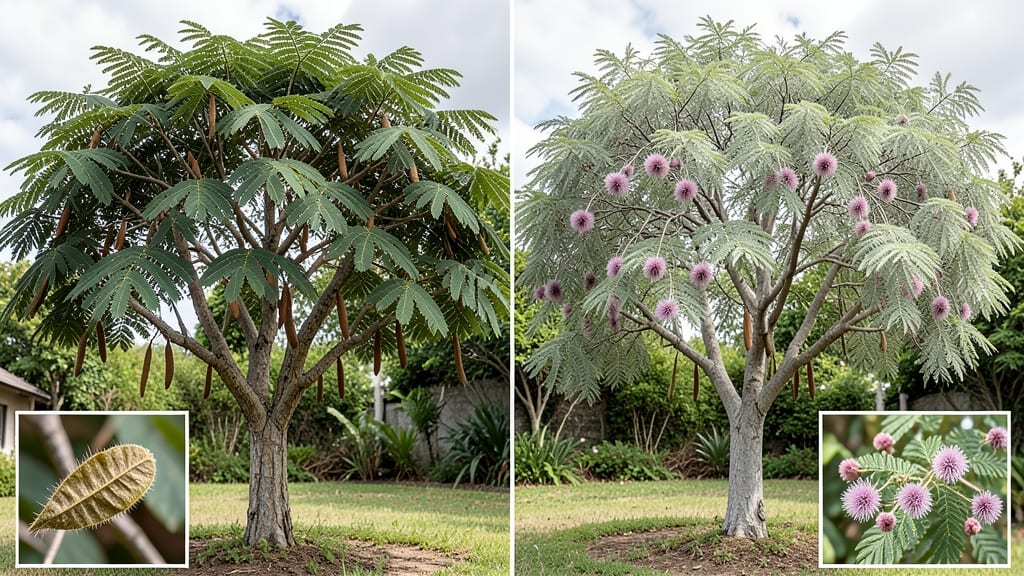
Deciding between a monkeypod tree and mimosa can feel overwhelming—both grow fast and add bold beauty, but their needs couldn’t be more different. 🌵 I’ve grown both in my own yard, and the monkeypod’s drought tolerance vs. the mimosa’s delicate flowers makes all the difference for your climate and maintenance style.
The monkeypod thrives in full sun with minimal water once established, while mimosa demands regular moisture and richer soil. Pruning is easier on the monkeypod—its thorny branches handle shearing better—but mimosa’s feathery foliage creates a dreamy, airy look that’s hard to resist.
You’ll end up with either a drought-proof desert warrior (monkeypod) or a romantic, fast-blooming showstopper (mimosa). Both reach 20-30 feet tall, but their care couldn’t be more opposite—one’s low-maintenance, the other demands attention. For hot, dry climates, the monkeypod wins.
For humid areas with consistent water, the mimosa’s flowers are unbeatable. Here’s how they stack up side by side.
The first product explained
Meet the Monkeypod Tree (Samanea saman)—a tropical superstar that’s as eye-catching as it is resilient! 🌿✨ Known for its lush, compound leaves and sprawling canopy, this fast-growing deciduous tree is a favorite for adding drama to landscapes, urban spaces, and even large gardens.
Whether you're a homeowner, landscaper, or urban planner, this tree delivers both beauty and practicality.
🌳 Key Specs & Features
Here’s what makes the Monkeypod Tree stand out:
- Growth Rate: Fast-growing, reaching 30–50 feet tall (and just as wide!) under ideal conditions.
- Leaf Structure: Fern-like, compound leaves with 10–20 leaflets that fold up at night (a cool adaptation!).
- Flowers: Showy, fragrant, pinkish-white blooms that attract pollinators like bees and butterflies. 🐝🌸
- Climate Tolerance: Thrives in USDA Zones 10–11, but can handle brief cold snaps (down to 25°F) if established.
- Soil & Sun: Adaptable to a variety of soils but prefers well-draining conditions and full sun for optimal growth.
- Lifespan: Long-lived (50+ years) with minimal maintenance once mature.
🎯 Target Users
This tree is perfect for:
- Homeowners in warm climates looking for a shade-providing centerpiece for patios or yards.
- Landscapers & Urban Planners needing a fast-growing, low-maintenance tree for streetscapes or parks.
- Eco-Conscious Gardeners who want to support native wildlife (birds, bees, and butterflies love it!).
- Commercial Properties (e.g., resorts, hotels) for its aesthetic appeal and ability to thrive in heat.
💰 Price Point & Availability
Pricing varies based on size and supplier, but here’s a general range:
| Size | Price Range (USD) | Notes |
|---|---|---|
| 1–3 ft (container-grown) | $150–$300 | Ideal for small spaces or young landscapes. |
| 6–10 ft (field-grown) | $400–$800 | Best for established yards or quick shade solutions. |
| 15+ ft (mature trees) | $1,000–$2,500+ | Premium pricing for instant landscape impact. |
💡 Pro Tip: Check local nurseries or online retailers like Fast-Growing-Trees.com or Monrovia for seasonal discounts or bulk pricing!
The second product explained
Meet the Mimosa pudica—the delicate yet resilient "sensitive plant" that’s stealing hearts (and gardens!) with its unique charm. 🌿✨ While it may not tower like its monkeypod cousin, this fast-growing deciduous tree (or shrub, depending on variety) packs a punch with its interactive leaves, drought tolerance, and low-maintenance appeal. Perfect for urban landscapes, containers, or as a living privacy screen, the mimosa delivers big personality in a compact package.
🌱 Key Specs & Features
Here’s what makes the mimosa a standout:
- Growth Rate: Moderate to fast (1–2 feet per year under ideal conditions).
- Mature Height: 6–10 feet (varies by cultivar; some stay shrub-sized!).
- Spread: 6–12 feet wide—great for filling space without overpowering.
- Foliage: Fern-like, compound leaves that fold inward when touched (thanks to its famous thigmonastic response!).
- Flowers: Fragrant, pink pom-poms in spring/summer (a bee magnet!).
- Sunlight: Thrives in full sun to partial shade (adaptable to urban settings).
- Soil: Tolerates poor, sandy, or clay soil—ideal for tough climates.
- Drought Tolerance: High once established (water deeply but infrequently).
- Hardiness: USDA Zones 9–11 (tender in frost; often grown as an annual in cooler zones).
🎯 Who’s It For?
The mimosa is a versatile dream for:
- 🏡 Urban gardeners with limited space (containers, balconies, or small yards).
- 🐝 Pollinator lovers—its flowers attract bees and butterflies.
- 🌵 Low-water warriors in arid or drought-prone areas.
- 👩🌾 Beginner plant parents (hard to kill, forgiving of neglect!).
- 🎨 Creative landscapers who want texture, movement, and a "wow" factor.
💰 Price Point & Availability
Ready to bring home a mimosa? Here’s the scoop:
| Size/Type | Price Range (USD) | Where to Buy |
|---|---|---|
| Small potted plant (6–12" tall) | $15–$30 | Local nurseries, Home Depot, Lowe’s, or online (Etsy, Planters.com). |
| Larger container (1–3 gallons) | $30–$60 | Specialty plant shops (e.g., The Sill, Planters’ Palette). |
| Mature specimen (for landscaping) | $60–$120+ | Tree farms or bulk landscape suppliers. |
Pro Tip: 💡 Buy in spring for the best selection and lower prices. If you’re in a cooler climate, opt for Mimosa pudica ‘Red Head’ (a hardier variety) or grow it as an annual.
Head-to-head comparison
Ready to dive into the head-to-head showdown between the Monkeypod Tree and the Mimosa Tree? 🌳 Whether you're a landscaper, a homeowner, or just a plant enthusiast, understanding how these two fast-growing beauties stack up will help you make the perfect choice for your yard.
Below, we break down their key differences across performance, features, care requirements, and more—so you can pick the winner for your space!
🌱 Growth Rate & Size
The first battle? Speed and scale. Both trees are fast growers, but they take very different approaches to expansion.
- Monkeypod Tree (Albizia julibrissin):
- Grows 3–5 feet per year under ideal conditions.
- Matures at 20–30 feet tall with a 25–40-foot spread—think of it as a dramatic, airy canopy that loves space.
- Known for its fast early growth, making it a favorite for quick shade or privacy solutions.
- Mimosa Tree (Albizia julibrissin, same species but often confused with Bauhinia or Acacia):
- Also grows 3–5 feet per year, but its growth can slow slightly as it matures.
- Typically reaches 15–25 feet tall with a 20–30-foot spread, making it slightly more compact than the Monkeypod.
- If you’re short on space, this tree plays nicer—but it still needs room to stretch its legs!
Winner for speed? Tie! But if you want a bigger statement, the Monkeypod takes the crown. 🏆
🌿 Leaf & Foliage Features
Let’s talk visual drama—because these trees don’t just grow fast; they show off while doing it.
- Monkeypod Tree:
- Fuzzy, pink, pom-pom-like flowers that bloom summer to fall—like nature’s confetti cannon! 🎉
- Compound leaves with 10–20 leaflets that turn golden-yellow in fall.
- Leaves close up at night (a trait called nyctinasty), adding a fun, almost alien-like vibe.
- Mimosa Tree:
- Similar pink, fluffy blooms (often called silk tree flowers), but sometimes less abundant than the Monkeypod.
- Bipinnate leaves (double-compound) with a feathery texture, turning yellow or brown in fall.
- Also exhibits nightly leaf closure, but some varieties may be less dramatic.
Winner for wow factor? The Monkeypod wins by a landslide—those pink pom-poms are unmatched! 🌸 But the Mimosa holds its own with a softer, dreamier look.
💦 Water & Maintenance Needs
How much love (and water) do these trees need? Let’s break it down.
| Factor | Monkeypod Tree | Mimosa Tree |
|---|---|---|
| Watering (Newly Planted) | Requires deep watering 2–3x per week for the first year. | Similar needs—consistent moisture is key for establishment. |
| Watering (Mature) | Drought-tolerant once established, but prefers regular watering for best bloom. | Also drought-tolerant but more sensitive to dry spells—may drop leaves if stressed. |
| Pruning Needs |
|
|
| Fertilization | Benefits from balanced fertilizer in spring to boost growth and blooms. | Responds well to phosphorus-rich fertilizer to encourage flowering. |
Winner for low-maintenance? The Mimosa edges out the Monkeypod slightly—it’s hardier and less prone to storm damage, making it a better pick for busy gardeners. 🌡️
🏡 Best Uses & Landscape Fit
Where will these trees shine the most in your yard? Let’s match them to their dream roles.
- Monkeypod Tree:
- Perfect for:
- Large backyard canopies or park-style settings.
- Creating quick shade (thanks to fast growth!).
- Adding dramatic color with its pink blooms.
- Avoid if:
- You have small yards or power lines nearby (it gets big).
- You want a low-maintenance tree (it needs regular pruning).
- Perfect for:
- Mimosa Tree:
- Perfect for:
- Medium-sized yards or urban landscapes.
- Adding soft, romantic vibes with its feathery leaves.
- Mixed borders or privacy screens.
- Avoid if:
- You’re in a
- Perfect for:
Which one should you choose?
So, which fast-growing deciduous tree is the right fit for you? The answer depends on your priorities—whether it’s speed, low maintenance, privacy, or ecological benefits. Let’s break it down to help you decide with confidence! 🌳✨
🌱 Choose the Monkeypod Tree If...
- You want rapid growth: The Monkeypod Tree can grow up to 3 feet per year—ideal if you need shade or a privacy screen fast.
- You love drought-resistant plants: This tree thrives in arid conditions and requires minimal watering once established.
- You’re in a warm, dry climate: Native to the Southwest U.S. and Mexico, it’s perfect for USDA Zones 8-11.
- You prefer low-maintenance pruning: While it benefits from occasional trimming, it’s far easier to manage than Mimosa’s thorny branches.
- You’re okay with seasonal color changes: Its golden foliage in fall is stunning, but it’s not as vibrant as Mimosa’s spring blooms.
🌿 Choose the Mimosa Tree If...
- You crave vibrant spring blooms: Mimosa’s fuzzy pink flowers (March–May) add a pop of color that Monkeypod can’t match.
- You need a tree for cooler climates: Thrives in USDA Zones 6-9, making it versatile for northern gardens.
- You want a tree with ecological perks: Mimosa supports pollinators and wildlife, while Monkeypod is more of a solitary performer.
- You’re okay with thorns and mess: Its spiky seed pods can be a nuisance, but they’re a trade-off for its beauty.
- You prioritize shade over speed: While slower-growing, Mimosa provides dense, lush foliage that Monkeypod can’t compete with.
🏡 Best for Urban vs. Rural Settings
| Scenario | Monkeypod Tree | Mimosa Tree |
|---|---|---|
| Small urban yards | ✅ Better—compact growth, drought-tolerant, and less messy. | ❌ Thorns and seed pods can be a hassle in tight spaces. |
| Rural or large properties | ✅ Great for privacy screens or windbreaks. | ✅ Ideal for wildlife-friendly landscapes with space to accommodate its size. |
| Low-water gardens | ✅ Winner—thrives on neglect. | ❌ Needs moderate watering, especially in dry spells. |
| Pollinator gardens | ❌ Limited ecological benefits. | ✅ Winner—attracts bees and butterflies. |
Pro Tip: 💡 If you’re still unsure, consider planting both! Use the Monkeypod as a fast-growing backdrop and the Mimosa as a focal point for spring color. Just give them space—the Mimosa’s thorns aren’t playful!
Ready to pick your champion? Grab your pruners and get growing! 🌟