
Landscaping
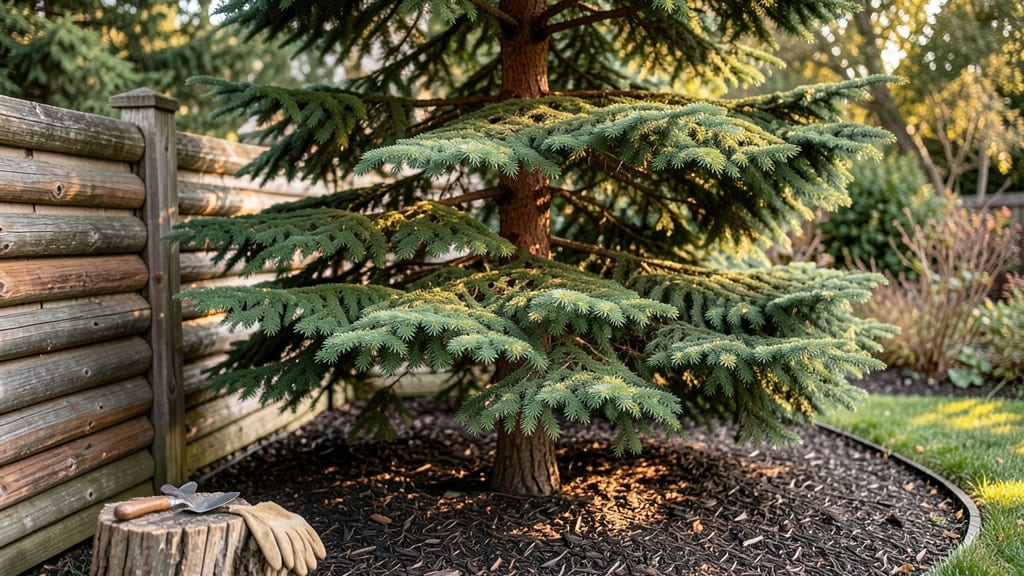
A cedar tree privacy fence transforms your yard into a serene retreat, blocking unwanted noise and harsh winds while adding timeless beauty. 🌲 I planted mine along the north side of my property, where the afternoon breezes used to carry neighborly chatter—and now, all I hear is the rustle of evergreen needles.
The right spacing and placement make all the difference between a dense, lush screen and a patchy, wind-swept mess.
Start with Thuja occidentalis (Arborvitae) or Cupressus arizonica (Arizona Cypress) for reliable growth habits. Plant them 3-5 feet apart in rows, with the front row closer (3 feet) for a tighter look.
These trees grow 2-3 feet per year, so plan for 8-10 feet of mature height—perfect for blocking line-of-sight while letting natural light filter through. Mulch well to retain moisture and suppress weeds, and water deeply the first year to establish strong roots.
By year three, your screen will feel complete, with fragrant foliage that repels pests and attracts birds. The evergreen color keeps your yard looking polished year-round, and the soft texture muffles sound better than any artificial barrier.
Pair with low-growing perennials like heuchera or carex at the base to soften the transition to lawn or patio space. Maintenance is minimal—just annual pruning to shape and watch for browning tips (a sign of winter burn in some varieties).
For a faster screen, consider columnar varieties like 'Emerald Green' Arborvitae, which grow narrower and taller. Or, mix heights by adding a dwarf conifer like 'Blue Rug' Juniper at the edges for texture.
The key is patience—cedars take time to fill in, but once established, they’re the most low-maintenance, high-impact privacy solution you’ll find. Trust me, your future self will thank you when you’re sipping coffee on the porch, completely undisturbed.
📚 In This Guide
- What you need
- Instructions
- Tips and common mistakes
- Wrapping up and next steps
What you need
- ● Cedar trees or shrubs: Choose disease-resistant varieties like Thuja occidentalis (Arborvitae) or Thuja plicata (Western Red Cedar). Plan for 8–12 plants per 10 feet of fence length, spaced 2–3 feet apart for dense growth.
- ● Soil amendment: 2–3 bags (40 lbs each) of compost or peat moss to improve drainage and nutrient retention.
- ● Mulch: 2–3 cubic yards of wood chips or pine straw to retain moisture and suppress weeds.
- ● Fertilizer: Slow-release, balanced fertilizer (10-10-10 or similar) for initial planting.
- ○ Optional: Bamboo stakes or biodegradable plant ties to support young trees during early growth.
- ● Shovel and spade for digging holes.
- ● Measuring tape and stakes for marking layout.
- ● Wheelbarrow for transporting soil and mulch.
- ● Garden gloves and knee pads for comfort.
- ○ Optional: String line for ensuring straight rows and a post-hole digger if planting in tight spaces.
- ● Check local planting regulations (e.g., HOA rules or invasive species restrictions).
- ● Test your soil’s pH (ideal: 6.0–7.5) and adjust with lime or sulfur if needed.
- ● Schedule planting for early spring or fall to avoid extreme temperatures.
- ● Clear the area of weeds, rocks, and debris to a depth of 12 inches.
Step-by-Step guide to planting a cedar tree privacy screen
Here’s how to create a lush, wind-blocking evergreen barrier that thrives for decades.
🌱 Step 1: Choose the Right Cedar Variety and Planting Site
Western red cedar (Thuja plicata) and Eastern white cedar (Thuja occidentalis) are the best choices for privacy screens—they grow densely, resist disease, and tolerate a range of climates. I always opt for 1-2 foot tall trees because they establish faster and fill in quicker than bare-root seedlings.
Pick a site with full sun to partial shade (at least 4-6 hours of direct light daily). Cedar thrives in moist, well-drained soil but won’t tolerate soggy roots. Test your soil’s drainage by digging a 12-inch deep hole—if water pools after 30 minutes, amend with 2-3 inches of compost or plant on a slight mound. Avoid low spots where winter ice or spring runoff collects.
🪴 Step 2: Dig Holes and Space Plants for Optimal Growth
Dig holes twice as wide as the root ball but no deeper—cedar roots spread horizontally, not downward. For a 4-foot tall screen, space plants 4-5 feet apart in rows 4-5 feet apart. If you want a 6-foot tall screen, increase spacing to 6-8 feet—cedars grow 2-3 feet per year and need room to develop their full width.
I always loosen the root ball slightly before planting to encourage root spread. Mix the native soil with 1 part compost in the backfill to boost early growth. Place the tree so the top of the root ball sits 1-2 inches below soil level—this prevents root exposure during dry spells. Water each hole deeply before planting to settle the soil around roots.
☀️ Step 3: Plant and Mulch for Long-Term Health
Gently remove the tree from its container and place it in the hole, ensuring the root flare (where roots meet trunk) is visible above the soil line. Backfill with native soil mixed with compost, tamping lightly every 6 inches to eliminate air pockets. Water again until the soil is evenly moist to a depth of 12 inches—this helps roots establish quickly.
Apply 2-3 inches of mulch (wood chips or shredded bark) over the root zone, keeping it 6 inches away from the trunk to prevent rot. Mulch conserves moisture, regulates soil temperature, and suppresses weeds—critical for young cedars competing with grass or weeds. I use cedar mulch because it matches the plant and decomposes slowly, but pine or hardwood works too.
💧 Step 4: Water and Maintain for First-Year Success
Water newly planted cedars 2-3 times per week for the first 30 days, then taper to once a week during dry spells. You’ll know they’re getting enough water when the soil feels moist 3-4 inches deep—probe with your finger to check. Overwatering is just as harmful as underwatering; cedars hate soggy roots.
Fertilize lightly in early spring with a balanced 10-10-10 formula (follow package rates). Avoid heavy nitrogen—it promotes leafy growth over root development. Prune only to remove dead or crossing branches in the first year; cedars shape naturally and don’t need shaping cuts. Watch for bagworms or spider mites—spray with neem oil if you spot webbing or yellowing needles.
⏰ Step 5: Monitor Growth and Adjust for Density
By year 2, your cedars should fill in enough to block 50-70% of wind and noise. If gaps appear, thin out the innermost branches to encourage outward growth—cedars grow in a pyramid shape, so focus pruning on the lower third to maintain density at eye level.
After 3-5 years, the screen will be fully mature, providing 90%+ obstruction. At this point, you can reduce watering to once every 2 weeks during dry periods. Cedar trees live for centuries, so minimal maintenance after establishment means decades of privacy with almost no upkeep. Real talk: once planted right, these trees take care of themselves.
Tips & tricks for perfect cedar tree privacy fences
Here's what I've learned after planting these screens for years—avoid these common pitfalls for maximum success.
Site Selection Wisdom: That 4-6 hours of direct light requirement is non-negotiable for healthy cedar growth. I've planted in shady spots before, and while the trees survive, they grow leggy and sparse. If your yard has limited sun, consider Eastern white cedar—it tolerates partial shade better than Western red cedar. Test your soil's drainage thoroughly before planting; I've seen cedars fail within months because of waterlogged roots, even when planted on what seemed like well-drained ground.
Root Ball Preparation: When loosening the root ball in Step 2, be gentle but thorough—you're not trying to destroy the roots, just encouraging them to spread outward. I use my fingers to gently separate the outer roots from the root ball's edge. This single step makes the difference between a tree that struggles and one that establishes quickly. After planting, that 1-2 inches below soil level placement is crucial—it prevents root exposure during dry periods, which can kill young cedars faster than any other factor.
Mulching Strategy: The 2-3 inches of mulch we apply isn't just decoration—it's a critical moisture barrier and weed suppressor. I've found that cedar mulch works best because it decomposes slowly and matches the plant's natural look, but pine or hardwood mulch will work too. The key is keeping it 6 inches away from the trunk to prevent rot. In my experience, proper mulching reduces watering needs by about 30% during the first growing season.
Long-Term Growth Hack: By year 2, you should see that 50-70% wind and noise reduction as the trees fill in. If you notice gaps forming, don't panic—this is normal. Focus your pruning on the innermost branches to encourage outward growth. I've seen screens that looked sparse at 2 years become completely dense by year 3 with this approach. The 3-5 year maturation timeline is accurate, but proper pruning can accelerate density by 6-12 months.
Pro Tips for Cedar Tree Privacy Fence
- Here's what I've learned after planting these screens for years—avoid these common pitfalls for maximum success.
- Site Selection Wisdom: That 4-6 hours of direct light requirement is non-negotiable for healthy cedar growth.
- Root Ball Preparation: When loosening the root ball in Step 2, be gentle but thorough—you're not trying to destroy the roots, just encouraging them to spread outward.
Frequently asked questions
When is the best time to plant cedar trees for a privacy fence?
Plant cedar trees in early spring or fall when soil is moist but not frozen. Avoid summer heat or winter cold, which can stress young roots. Pro tip: If planting in spring, water deeply before the first frost hits!
How much does a cedar tree privacy fence cost compared to other options?
A cedar tree fence typically costs $2–$5 per tree, with installation adding $500–$2,000+ depending on spacing and labor. Compared to wood fences ($15–$35 per sq. ft.) or vinyl ($10–$25 per sq. ft.), cedars offer long-term savings on maintenance and energy bills (they block wind!).
How long does it take for cedar trees to grow into a full privacy screen?
Cedars grow 1–2 feet per year, so a 6–8 foot-tall screen takes 3–4 years to mature. For faster results, plant trees closer together (3–5 feet apart) or mix in faster-growing species like arborvitae for gaps.
What problems should I watch for with a cedar tree fence?
Watch for disease (like cedar apple rust), pests (cedar bark beetles), or overcrowding if planted too close. Solution: Prune annually, use fungicides if needed, and space trees 4–6 feet apart for airflow. No major issues? Cedars are low-maintenance!
Can I use cedar trees as a privacy fence in small yards or urban areas?
Opt for dwarf varieties (like ‘Green Carpet’ or ‘Blue Swiss’) or container-grown trees to save space. Just ensure your yard gets 6+ hours of sunlight—cedars thrive in full sun but tolerate partial shade.
Wrapping up and next steps
A cedar tree privacy fence isn’t just a boundary—it’s a living, evergreen solution that brings beauty, tranquility, and natural noise reduction to your outdoor space. 🌲 With low maintenance, durability, and year-round greenery, it’s a smart investment for both privacy and curb appeal.
Ready to transform your yard? Start by sketching your design, gathering supplies, and reaching out to local nurseries for healthy cedar saplings. Whether you’re a DIY enthusiast or hiring a pro, your peaceful, wind-blocking oasis is just plantings away!