
Pruning
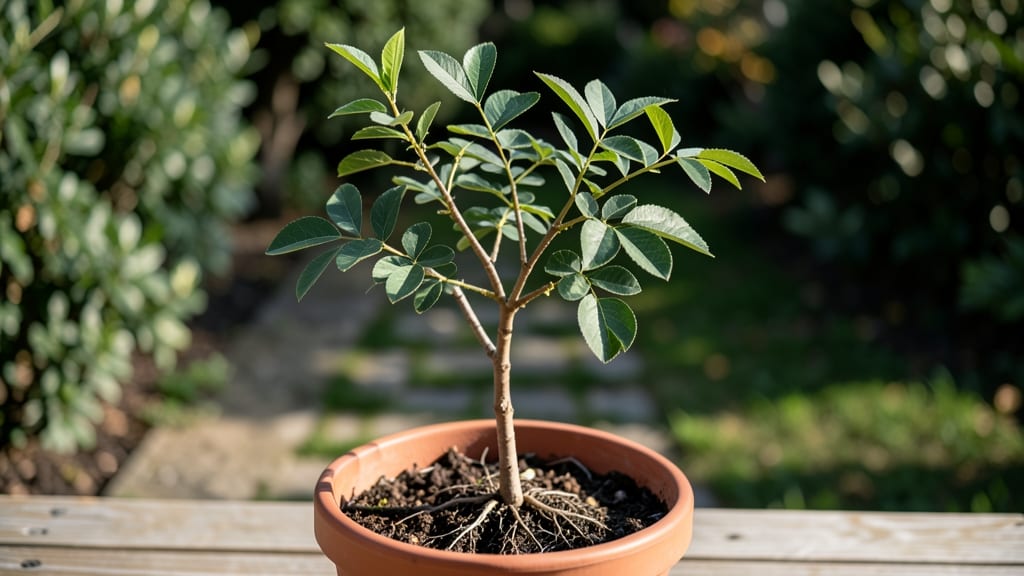
Growing a pistachio tree sapling from scratch means cracking the code to year-round growth—and I’ve learned the exact tricks that keep mine thriving through winter’s chill and summer’s heat. 🌱 The key isn’t just sunshine and water; it’s understanding pistachios’ finicky roots, their need for deep cold dormancy, and the sneaky pollination quirks that stump even experienced growers.
My first sapling nearly died in its second winter, but now it’s loaded with buds by late spring—here’s how we fixed it.
Start with the right setup: well-draining soil mixed with compost (no clay!), a spot with 6+ hours of sunlight, and protection from harsh winds. Pistachios hate soggy feet, so raised beds or sandy loam work best.
Water deeply once a week in summer, then taper off as temperatures drop—overwatering in winter is the #1 killer. And yes, you’ll need at least two trees (or one self-pollinating variety) unless you want to hand-pollinate with a paintbrush—trust me, it’s easier to plant a second sapling.
By next summer, you’ll see the payoff: glossy green leaves, sturdy branches, and—if you’ve nailed the care—those first tiny nuts forming. The secret’s in the pruning: cut back 25-30% of new growth in early spring to encourage strong structure, and never prune after mid-summer.
My tree now produces dozens of nuts by fall, and the neighbors keep asking how I do it.
Works in USDA zones 7-10, but even in colder areas, young trees survive with winter mulch and windbreaks. The first three years are critical—get this right, and you’re set for decades of harvests. Let’s get your sapling off to the right start.
📚 In This Guide
- What you need
- Instructions
- Tips and common mistakes
- Wrapping up and next steps
What you need
- ● Pistachio tree sapling: Choose a healthy, disease-free 1- to 3-year-old sapling (bare-root or potted). Look for varieties like Kerman or Peter’s if you’re in a suitable climate (USDA Zones 7-10).
- ● Well-draining soil: Mix 60% native soil with 30% compost and 10% coarse sand or perlite to prevent root rot. For containers, use a fast-draining potting mix (avoid garden soil).
- ● Fertilizer: Slow-release granular fertilizer: 10-10-10 or 8-3-9 blend (apply at planting and again in early spring).
- ● Organic options: Well-aged manure (cow or chicken) or composted leaf mold.
- ● Mulch: 2–3 inches of wood chips, straw, or pine bark (keep mulch 6 inches away from the trunk to prevent rot).
- ● Watering supplies: Drip irrigation kit or soaker hose (for consistent moisture).
- ● Watering can (for smaller saplings or containers).
- ● Pruning tools: Bypass pruners (for small branches).
- ● Loppers (for thicker stems, if needed).
- ● Sharp pruning saw (for larger saplings).
- ● Support: Stakes and soft tree ties (if planting in windy areas).
- ● Container with drainage holes (15–20 gallons for saplings).
- ● Soil pH tester: Pistachios thrive in slightly alkaline soil (pH 7.0–8.0). Adjust with lime if needed.
- ● Root stimulator: Mycorrhizal fungi powder or seaweed extract to boost root growth.
- ● Shade cloth: 30–50% coverage for young saplings in hot climates (remove after 6–8 weeks).
- ● Pest control: Neem oil or insecticidal soap (for aphids or spider mites).
- ● Growth regulator: Paclobutrazol (for dwarf varieties, if desired).
Step-by-Step instructions for cultivating a pistachio tree sapling
Here's how to give your young pistachio tree the perfect start—whether you're planting outdoors or nurturing it in a container.
🪴 Step 1: Choose and Prepare the Perfect Planting Spot
Pistachio saplings thrive in full sun with at least 6-8 hours of direct sunlight daily. Pick a location with well-draining soil—pistachios hate soggy roots. If your soil is heavy clay, mix in 2-3 inches of compost to improve drainage before planting. I always dig a hole twice as wide as the root ball but only as deep as the container it came in—this prevents burying the graft union, which can kill the tree.
For container growing, use a large pot (at least 15-gallon) with drainage holes. Fill the bottom third with gravel or coarse sand to ensure excess water drains away. Pistachios grow slowly, so don’t rush into a bigger pot—wait until roots circle the container before upsizing. If planting in cold climates, choose a sheltered spot where winter winds won’t scorch young leaves.
🌱 Step 2: Plant with Care to Avoid Stress
Remove the sapling from its container and gently loosen the roots if they’re circling. Place it in the hole so the top of the root ball sits level with the ground—never deeper, or the tree may suffocate. Backfill with native soil mixed with a handful of slow-release fertilizer (low nitrogen, high phosphorus for root growth). Water deeply to settle the soil and eliminate air pockets.
Don’t compact the soil too tightly—pistachios need air around their roots. If planting in containers, fill around the root ball with light potting mix (not garden soil) to reduce compaction. Mulch the base with 2-3 inches of wood chips, keeping it 6 inches away from the trunk to prevent rot. Water again after mulching to help it settle.
☀️ Step 3: Water and Feed for Strong Early Growth
Young pistachios need consistent moisture but hate soggy soil. Water deeply once a week (or more in hot weather) until the top 6 inches of soil feel dry. You’ll know it’s time when the soil pulls away slightly from the pot or cracks form on the surface. Overwatering is the #1 killer of young saplings—always check moisture before watering.
Fertilize lightly in spring and summer with a balanced 10-10-10 or 8-3-9 formula (avoid high-nitrogen fertilizers—they promote leafy growth at the expense of nuts). I use half-strength fertilizer the first year to avoid burning tender roots. In fall, switch to a low-nitrogen, high-potassium fertilizer to harden the tree for winter. Pistachios are drought-tolerant once established, but young trees need steady care.
✂️ Step 4: Prune and Protect for Long-Term Health
Prune in late winter or early spring before new growth begins. Remove any dead, diseased, or crossing branches, cutting just above a bud or lateral branch. Thin out crowded branches to improve airflow—pistachios need good circulation to prevent fungal diseases. Never prune more than 25% of the tree’s foliage in one season, or it’ll struggle to recover.
Protect young trees from pests like aphids and spider mites with neem oil sprays (mix 1 tablespoon per gallon of water). Pistachios are also prone to bacterial leaf spot—remove infected leaves immediately and avoid overhead watering. If growing in containers, move them indoors or to a garage during hard freezes (below 20°F), as young trees are sensitive to cold damage.
⏰ Step 5: Monitor and Adjust for Year-Round Success
Check the tree’s growth monthly—healthy saplings should grow 6-12 inches per year. If growth stalls, it may need more sunlight, water, or nutrients. Pistachios are slow to mature, so be patient—it takes 4-6 years before they produce nuts. Watch for yellowing leaves, which can signal overwatering, nutrient deficiencies, or pests.
In late winter, apply a thin layer of mulch to retain moisture and regulate soil temperature. If growing in containers, repot every 2-3 years in spring, using a pot 2-3 inches larger in diameter. Pistachios are heavy feeders, so feed lightly but regularly—better to under-fertilize than risk burning roots. With consistent care, your sapling will grow into a productive tree for decades.
Tips & tricks for cultivating a thriving pistachio sapling
Here's what nobody tells you about those first critical months with your young pistachio—these tricks make all the difference.
Sunlight Strategy: The 6-8 hours of direct sunlight in Step 1 isn't just about placement—it's about quality. If your location gets afternoon shade, rotate your container every few weeks so all sides get equal sun exposure. Pistachios need intense light to develop properly, and uneven exposure can cause weak growth. I've seen saplings grow lopsided when one side gets more sun than the other, so keep that in mind if your yard has partial shade.
Root Health Secret: When planting in Step 2, don't just loosen the roots—give them a quick soak in water for 5-10 minutes before planting. This helps rehydrate them after container shock. Also, if you notice roots circling tightly, gently tease them apart with your fingers. Compacted roots can strangle your sapling as it grows. I learned this the hard way after losing a sapling to root suffocation—now I always check this before planting.
Watering Wisdom: The once-weekly deep watering in Step 3 works best with a soaker hose or drip irrigation. Watering from above can compact soil and wash away nutrients. For container growers, let the top 2 inches of soil dry out between waterings—stick your finger in to check. Overwatering is the silent killer of young pistachios, and containers are especially prone to root rot if not drained properly. I've had to repot several saplings because of this common mistake.
Cold Protection: The 20°F threshold in Step 4 is crucial, but don't wait until the last minute to move your container. Start monitoring forecasts when temperatures dip below 30°F—pistachios can get cold damage even above the freezing point. I wrap my containers in bubble wrap for extra insulation during cold snaps. For outdoor planting, consider a windbreak or frost cloth if your area gets chilly nights, even in warmer climates.
Pro Tips for Pistachio Tree Sapling
- Here's what nobody tells you about those first critical months with your young pistachio—these tricks make all the difference.
- Sunlight Strategy: The 6-8 hours of direct sunlight in Step 1 isn't just about placement—it's about quality.
- Root Health Secret: When planting in Step 2, don't just loosen the roots—give them a quick soak in water for 5-10 minutes before planting.
Frequently asked questions
Got questions about nurturing your pistachio tree sapling? You’re not alone! Here are answers to the most common concerns—from pruning to troubleshooting—so your young tree thrives year-round.
How often should I prune a pistachio sapling in its first year?
Prune your sapling once in early spring (before buds swell) to shape it and remove dead branches. Avoid heavy pruning—focus on 20-30% of new growth to encourage strong root development. Over-pruning stresses young trees, so keep it light!
Can pistachio saplings survive winter frost? What’s the best protection?
Young pistachio trees are frost-sensitive! Mulch the base with 4-6 inches of straw or wood chips to insulate roots. Wrap the trunk with burlap if temps drop below 20°F (-7°C). Water deeply before frost to reduce shock. Most saplings bounce back with proper care!
How much sunlight does a pistachio sapling need daily?
Pistachio trees are sun worshippers—aim for 6-8+ hours of direct sunlight daily. Partial shade (like dappled light) slows growth, while full sun ensures sweet nuts and robust branches. South-facing spots are ideal in the Northern Hemisphere!
Why are my pistachio sapling’s leaves turning yellow? Is it overwatering?
Yellow leaves often signal overwatering or poor drainage. Let soil dry 2-3 inches deep between waterings—pistachios hate soggy roots! Check for pests (like aphids) or nutrient deficiencies (add iron if needed). Drainage issues? Amend soil with sand or perlite.
Are there dwarf pistachio varieties better for containers or small yards?
Yes! Varieties like ‘Kerman’ or ‘Peter’ stay compact (10-15 ft tall) and work well in large containers (15+ gallon pots). Use well-draining soil and prune regularly to control size. Just remember: container-grown trees need more frequent watering and winter protection!
Wrapping up and next steps
Growing a pistachio tree sapling into a thriving, year-round beauty is entirely within your reach—with the right care, patience, and a dash of passion! 🌱 From mastering the pruning techniques to understanding soil needs and seasonal adjustments, you now have the tools to nurture a healthy tree.
Remember, consistency is key, and every trim or adjustment brings your sapling one step closer to bountiful harvests or stunning foliage.
Ready to take the next step? Start by observing your sapling’s growth this season, jot down any changes, and fine-tune your approach. Whether you’re a beginner or a seasoned gardener, your pistachio tree’s success story begins with you! Happy growing! 🌿✨