
Pruning
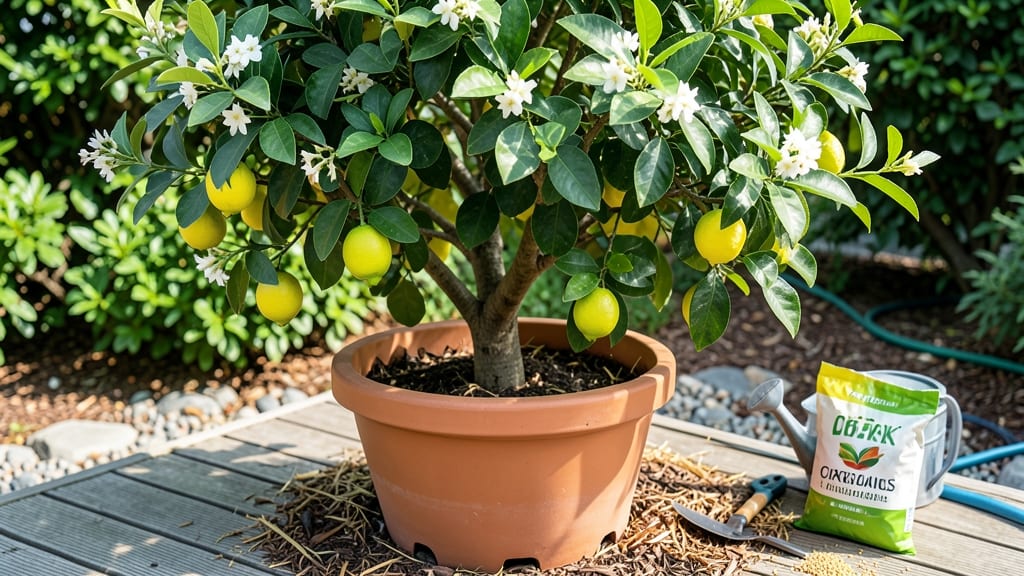
How to take care of a lemon tree in a pot means sweet rewards with just a few simple tweaks. 🌱 I learned the hard way that potted citrus needs more than just occasional watering—it craves the right balance of sun, soil, and space to thrive year-round. The key is mimicking its Mediterranean roots in a container, and once you get it right, you'll be harvesting lemons in just a few years. Your tree will need 6+ hours of sunlight daily, well-draining soil, and a pot with drainage holes (at least 12 inches wide). Water when the top inch of soil feels dry, but never let it sit in soggy soil—root rot is the silent killer of potted citrus. Fertilize lightly every 4-6 weeks in growing season, and prune to keep the shape manageable and airflow strong. By winter, your tree might slow down, but don’t panic—it’s just resting. Move it indoors near a sunny window or add a grow light to keep it happy. With these adjustments, you’ll avoid the most common mistakes: overwatering, cramped roots, and sudden temperature swings. The payoff? A fragrant, productive tree that can live for decades with minimal effort. Here’s how to keep it thriving—no green thumb required!
📚 In This Guide
- What you need
- Instructions
- Tips and common mistakes
- Wrapping up and next steps
What you need
- ● Pot: A drainage-heavy container (12–18" diameter for dwarf varieties, 20"+ for standard trees). Choose terracotta, ceramic, or fiberglass with 4+ drainage holes.
- ● Well-draining potting mix: 50% cactus/succulent mix + 30% perlite/pumice + 20% compost. Avoid garden soil—it compacts and suffocates roots! 🚫
- ● Lemon tree sapling: Opt for a dwarf Meyer lemon (hardier for pots) or a bush-type variety from a nursery. Check for healthy green leaves and no pests.
- ● Fertilizer: Citrus-specific fertilizer (e.g., 6-6-6 NPK ratio) or a balanced organic fertilizer (like fish emulsion). Use every 4–6 weeks during growing season (spring–fall).
- ● Watering can: With a narrow spout for precise watering (avoid overhead spray to prevent fungal issues).
- ● Pruning shears: Sharp, sterilized shears (or small bypass pruners) for shaping and maintaining size.
- ○ Mulch (optional but helpful): Orchid bark or pine needles to retain moisture and regulate soil temp.
- ● Self-watering pot or wicking system for consistent moisture (great for busy plant parents!).
- ● Grow lights (LED full-spectrum) if natural light is <10 hours/day (common in winter).
- ● Soil moisture meter to avoid over/under-watering—citrus trees hate soggy roots! 💧
- ● Support stake or trellis if your lemon tree grows tall (especially for heavy fruit).
- ● Neem oil or insecticidal soap for pest prevention (aphids, spider mites love citrus!).
- ● Pot saucer or tray to catch drainage and protect surfaces.
Step-by-Step guide to caring for your potted lemon tree
Here's how I keep my lemon tree thriving indoors with simple, consistent care.
💧 Step 1: Water Deeply and Infrequently
Lemon trees in pots dry out faster than in-ground plants, so I water when the top 2-3 inches of soil feel completely dry. Stick your finger in—if it comes out clean, it's time. Pour water slowly until it drains freely from the bottom, then empty the saucer after 10 minutes to prevent root rot. Overwatering is the #1 killer of potted citrus.
In summer, I water every 5-7 days; in winter, every 10-14 days. The key is letting the soil dry between waterings. A thirsty lemon tree will drop leaves, but don't panic—it recovers quickly once you adjust your schedule. I always water in the morning so excess moisture evaporates during the day.
☀️ Step 2: Provide Bright, Indirect Light Daily
Lemon trees need 6-8 hours of bright, indirect sunlight to thrive. Place yours near a south- or west-facing window where it gets plenty of light but no harsh afternoon sun that can scorch leaves. If you notice leaves yellowing or stretching toward the light, your tree isn't getting enough.
In winter, when days are short, I supplement with a grow light for 12-14 hours daily. Keep the light 12-18 inches away—too close will burn the leaves. Rotate the pot a quarter turn weekly so the tree grows evenly. If leaves turn pale or lose their gloss, it's a sign of insufficient light.
🪴 Step 3: Feed Monthly During Growing Season
Use a balanced citrus fertilizer (like 6-6-6 or 8-3-9) every 4-6 weeks from spring through fall. I mix ½ teaspoon per gallon of water and apply it when the soil is slightly moist. Over-fertilizing burns roots, so I always water the tree 24 hours before and after feeding.
In winter, when growth slows, I switch to a low-nitrogen fertilizer (like 3-1-2) every 8-10 weeks. You'll see new growth slow down naturally—this is normal. If leaves turn dark green or develop brown tips, you're overdoing it. Flush the soil with water to remove excess salts if this happens.
✂️ Step 4: Prune for Shape and Health
Prune in late winter or early spring before new growth begins. Remove any dead, diseased, or crossing branches first with clean, sharp pruners. Cut just above a leaf node (the bump where leaves grow) at a 45-degree angle to encourage new growth.
Shape the tree by trimming back leggy branches to just above a strong side branch. This encourages a bushier form. Never remove more than ⅓ of the tree's foliage at once—it stresses the plant. After pruning, wipe the cuts with a 1:9 hydrogen peroxide solution to prevent infection. I also fertilize lightly after pruning to help the tree recover.
⏰ Step 5: Monitor for Pests and Adjust Seasonally
Check leaves weekly for scale, spider mites, or aphids—common pests on lemon trees. Wipe leaves with a soapy water solution (1 tsp mild dish soap per quart of water) if you spot any. For severe infestations, I spray with neem oil every 5-7 days until pests disappear.
In fall, reduce watering gradually and move the tree to a cooler spot (around 55-65°F). If your home stays warm, a cool basement or garage works for winter dormancy. Avoid drafts—lemons hate sudden temperature swings. If leaves drop in winter, it's normal, but if the tree looks wilted or mushy, it's getting too cold.
Tips & tricks for perfect potted lemon tree care
Here's what I've learned after years of keeping lemon trees—these small tweaks make all the difference for happy, productive plants.
Soil Check Secret: The finger test in Step 1 works best if you check soil at the same time every week. I use my pinky finger—it's the right length to reach that 2-3 inch depth without straining. If the soil feels cool and clumps together when squeezed, it's still too wet. The perfect soil should crumble easily between your fingers but not feel completely dry. This consistency prevents the root rot I used to struggle with when I overwatered.
Light Rotation Hack: When you rotate your tree's pot a quarter turn weekly (as mentioned in Step 2), I recommend marking the pot's position with a piece of tape on the windowsill. This helps you track which direction gets the most light, so you can adjust the tree's position to ensure even growth. I also notice my tree's leaves develop a slight pinkish tint when it's getting just enough light—this is a good visual cue that things are working.
Fertilizer Timing Tip: The 24-hour watering rule before and after fertilizing in Step 3 is crucial, but I've found that giving the tree a light misting with plain water the day after fertilizing helps wash away any excess salts that might accumulate on the soil surface. This simple step has prevented those unsightly brown leaf tips I used to get when I skipped this extra rinse. I also keep my fertilizer bottle in the fridge to preserve its potency between uses.
Pest Prevention Strategy: For the weekly pest checks in Step 5, I've started using a small handheld magnifying glass to inspect the undersides of leaves where pests often hide. This extra attention has helped me catch infestations before they become severe. When I spot any pests, I immediately isolate the tree from other plants and treat it separately to prevent cross-contamination. I've found that neem oil works best when applied in the evening—it gives the oil time to work overnight without being washed off by morning dew or watering.
Pro Tips for Take Care Of Lemon Tree In Pot
- Here's what I've learned after years of keeping lemon trees—these small tweaks make all the difference for happy, productive plants.
- Soil Check Secret: The finger test in Step 1 works best if you check soil at the same time every week.
- Light Rotation Hack: When you rotate your tree's pot a quarter turn weekly (as mentioned in Step 2), I recommend marking the pot's position with a piece of tape on the windowsill.
Frequently asked questions
Got questions about keeping your potted lemon tree happy? You’re not alone! Here are answers to the most common concerns—so you can enjoy luscious lemons without the guesswork.
How often should I water my potted lemon tree?
Water your lemon tree when the top 1–2 inches of soil feel dry (about once a week in summer, less in winter). Overwatering is the #1 killer—always use a pot with drainage holes and a saucer to catch excess water. Pro tip: Stick your finger in the soil to test moisture instead of relying on a schedule!
Can a lemon tree survive winter in a pot?
Yes! Move your pot indoors near a sunny window (6–8 hours of light) when temps drop below 40°F (4°C). Avoid drafts or sudden temperature swings. If you can’t bring it inside, wrap the pot in bubble wrap or use a frost cloth for extra protection. Bonus: Reduce watering to every 2–3 weeks in winter.
Why aren’t my lemon tree leaves turning yellow?
Yellow leaves usually signal overwatering, nutrient deficiency, or pests. Check these first:
- Watering: Let soil dry out between waterings.
- Nutrients: Feed with a citrus-specific fertilizer every 2–3 months.
- Pests: Inspect for aphids or spider mites (wipe leaves with soapy water if needed).
If the yellowing is only on older leaves, it’s normal—new growth should stay green!
How big should the pot be for a lemon tree?
Start with a 5–7 gallon pot for young trees, then upgrade to 10+ gallons as it matures. Lemon trees need room for roots—crowded pots = stunted growth and fewer lemons. Use a pot that’s 1–2 inches wider than the root ball, and repot every 2–3 years in fresh soil. Fun fact: Terracotta pots help prevent root rot!
Will my potted lemon tree ever produce fruit?
With patience and proper care, yes! Most potted lemon trees bear fruit in 3–5 years. For faster results:
- Choose a dwarf variety (like ‘Meyer’ or ‘Improved Meyer’).
- Ensure full sun (6+ hours/day) and consistent care.
- Hand-pollinate flowers with a soft brush if bees aren’t visiting.
First fruits may be small, but they’ll grow sweeter with time! P.S.: It’s normal for young trees to focus on leaves first.
Wrapping up and next steps
Caring for a lemon tree in a pot is totally doable—even for busy gardeners! 🌱 With the right balance of sunlight, water, and occasional pruning, your citrus friend can thrive year-round. Remember, consistency is key, but don’t stress over perfection; small adjustments make a big difference.
Now that you’re armed with tips, why not take the next step? Try repotting your tree if it’s outgrown its home, or experiment with fertilizing schedules to see what works best. Happy growing—your future lemons are waiting! 🍋✨