
Pruning
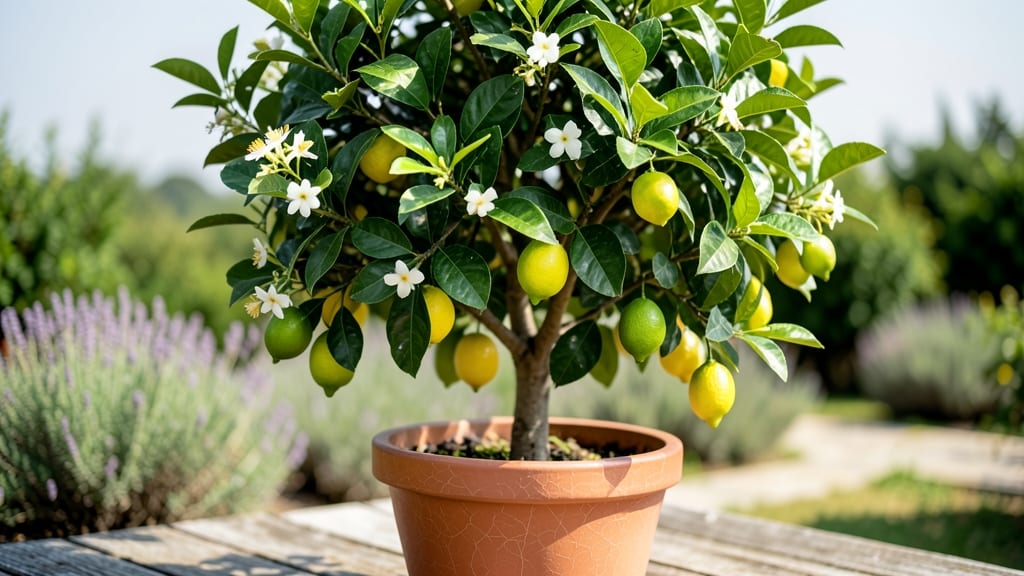
Patio lemon tree care means waking up to fragrant blossoms and harvesting your own fruit—without needing a backyard. 🌿 The key isn’t complicated: it’s about sunlight, water, and a few simple pruning tweaks that keep your tree productive year after year. I’ve had mine thrive for three seasons now, and the secret lies in mimicking its natural Mediterranean climate in containers.
Your tree needs 6-8 hours of direct sun daily, well-draining soil, and consistent moisture—but not soggy roots. A 15-25 gallon container works for dwarf varieties, while standard sizes need 30+ gallons.
Prune lightly in late winter to shape the tree and remove dead growth, but avoid heavy cuts—lemon trees fruit on new growth, so less is more.
By summer, you’ll see glossy new leaves and tiny white flowers that smell like heaven. With regular feeding (every 6-8 weeks with citrus fertilizer) and winter protection (move indoors if temps drop below 30°F), your tree will keep producing juicy, homegrown lemons for years. The first harvest? Pure satisfaction.
Even if you’ve killed houseplants before, this works—lemon trees are forgiving. Just watch for spider mites (spray with water) and avoid overwatering. Your patio will soon smell like a Mediterranean vacation, and your kitchen will never lack fresh lemons again.
📚 In This Guide
- What you need
- Instructions
- Tips and common mistakes
- Wrapping up and next steps
What you need
- ● Lemon tree (citrus variety): Dwarf Meyer lemon (best for patios) or other cold-hardy citrus, potted (1–3 gallons for young trees, 5+ gallons for mature ones).
- ● Well-draining potting mix: 5–10 gallons of citrus-specific or cactus/succulent blend (avoid garden soil).
- ● Pot with drainage holes: 1–2 sizes larger than the tree’s root ball (terracotta or plastic, 12–24" diameter).
- ● Pruning tools: Bypass pruners (sharp, clean) for small branches.
- ● Loppers (for thicker branches, if needed).
- ● Sterilizing solution (rubbing alcohol or bleach water) to disinfect tools.
- ● Fertilizer: Citrus-specific granular or liquid fertilizer (balanced NPK, e.g., 6-6-6 or 10-10-10).
- ● Watering can or hose with gentle spray nozzle.
- ○ Mulch (optional but helpful): 1–2 inches of organic mulch (e.g., bark chips) to retain moisture.
- ● Grow lights or LED bulbs (for indoor/low-light patios).
- ● Self-watering pot or drip irrigation kit (for consistent moisture).
- ● Citrus food or micronutrient supplement (e.g., iron chelate for yellowing leaves).
- ● Patio umbrella or shade cloth (to protect from harsh afternoon sun).
- ● Glove (to avoid sticky sap when pruning).
Step-by-step guide to year-round patio lemon tree care
Here's how I keep my dwarf lemon tree thriving indoors—no green thumb required.
🪴 Step 1: Position for Optimal Light and Temperature
Place your patio lemon tree within 3-6 feet of a south-facing window where it receives 6-8 hours of direct sunlight daily. If natural light is insufficient, supplement with a full-spectrum LED grow light positioned 12-18 inches away for 12-14 hours per day. Lemons are tropical plants, so maintain indoor temperatures between 65-75°F—any colder and growth slows dramatically.
Rotate the pot quarter-turn weekly to prevent the tree from leaning toward the light. You'll notice new growth emerging more evenly on all sides after a few rotations. If leaves start yellowing between veins, it’s a classic sign of too little light—move the tree closer or increase grow light hours.
💧 Step 2: Water Deeply and Maintain Consistent Moisture
Water your lemon tree once a week during the growing season (spring and summer), allowing the top 2-3 inches of soil to dry out completely between waterings. In winter, reduce to every 2-3 weeks, as growth slows and the tree needs less moisture. Always water at the base of the plant to avoid wetting the leaves, which can encourage fungal diseases like powdery mildew.
Use room-temperature water to avoid shocking the roots. Stick your finger 2 inches into the soil—if it feels dry, it’s time to water. Overwatering is the #1 killer of patio citrus; yellowing leaves paired with soggy soil means you’re watering too often. Let the excess drain completely from the saucer after 10 minutes.
✂️ Step 3: Prune for Shape and Fruit Production
Prune your lemon tree once in early spring (just before new growth begins) and again lightly in summer after flowering to encourage bushier growth. Remove any dead, diseased, or crossing branches first—these compete with healthy growth and attract pests. Use clean, sharp pruning shears to make cuts just above a leaf node or outward-facing bud.
To shape the tree, trim back overgrown branches by one-third to open the canopy for better air circulation and sunlight penetration. This is also the time to remove any suckers (shoots growing from the base or trunk) unless you’re propagating. After pruning, wipe down the shears with rubbing alcohol to prevent spreading disease between cuts.
☀️ Step 4: Fertilize Seasonally for Healthy Growth
Feed your lemon tree every 4-6 weeks during the growing season (March through September) with a balanced citrus fertilizer (6-6-6 or 8-8-8 ratio). Mix the fertilizer at half-strength to avoid burning the roots. In winter, switch to a low-nitrogen formula (like 5-10-10) to support dormancy and fruit development.
Apply fertilizer after watering to help distribute nutrients evenly through the soil. You’ll notice new leaves emerging within 2-3 weeks of consistent feeding. If the tree drops leaves or flowers fail to set fruit, it’s often a sign of nutrient deficiency—adjust to a higher-phosphorus fertilizer (like 5-10-5) to encourage blooming.
🌿 Step 5: Protect Against Pests and Seasonal Shifts
Inspect your lemon tree weekly for pests like aphids, spider mites, or scale insects. Wipe leaves with a neem oil solution (1 tsp neem oil + 1 quart water + a drop of dish soap) to deter infestations. For severe cases, isolate the tree and treat with insecticidal soap, reapplying every 5-7 days until pests are gone.
When moving the tree outdoors in warm months, acclimate it gradually over 7-10 days to avoid shock. Start with 1-2 hours of shade, then increase sun exposure daily. In fall, bring it back indoors before temperatures drop below 50°F. Sudden temperature swings cause leaf drop—your tree’s stress signal.
Tips & tricks for perfect patio lemon tree care
Here's what nobody tells you about keeping your lemon tree thriving all year—these details make the difference between a struggling plant and a fruit-bearing beauty.
Lighting Strategy: That 6-8 hours of sunlight is non-negotiable, but here's the trick: if your window doesn't get full sun, position your tree within 2 feet of the glass instead of 3-6 feet. The closer you get, the more intense the light becomes—think of it like moving from a dim reading lamp to a bright desk lamp. For grow lights, I've found that placing the bulb slightly closer than the 12-18 inch recommendation (try 10-14 inches) gives more focused light, especially for smaller trees.
Watering Wisdom: The 2-inch soil check is perfect, but I've learned to test at two different spots in the pot—one near the center and one toward the edges. Dwarf lemon trees often dry out unevenly, and you might miss a dry spot if you only check one area. Also, when you water, let the excess drain for those full 10 minutes, then pour out any remaining water in the saucer. Stagnant water in the saucer is a breeding ground for root rot, and your tree will thank you with healthier growth.
Pruning Precision: When you're shaping your tree in Step 3, focus on creating an open center rather than just trimming random branches. This open canopy allows sunlight to reach all parts of the tree, which is crucial for fruit production. I like to make my cuts just above a leaf node where you can see a small bump—this encourages new growth in the right direction. And here's a secret: after your summer pruning, give the tree a light misting with water to help it recover from the stress.
Fertilizer Timing: The 4-6 week feeding schedule works, but I've found that applying fertilizer right after your weekly watering creates a more consistent nutrient delivery system. Think of it like taking vitamins with breakfast—timing matters. Also, if you notice new leaves emerging within those 2-3 weeks, that's your green light to keep up the schedule. But if leaves start yellowing between veins again, it might mean your tree needs a different nutrient balance rather than more fertilizer.
Pro Tips for Patio Lemon Tree Care
- Here's what nobody tells you about keeping your lemon tree thriving all year—these details make the difference betwee...
- Lighting Strategy: That 6-8 hours of sunlight is non-negotiable, but here's the trick: if your window doesn't get ful...
- Watering Wisdom: The 2-inch soil check is perfect, but I've learned to test at two different spots in the pot—one nea...
Frequently asked questions
How often should I prune my patio lemon tree?
Prune your patio lemon tree lightly in late winter or early spring (before new growth starts) to shape it and remove dead branches. For minimal pruning, a quick trim every 6–12 months—just enough to encourage airflow and sunlight—is perfect. Avoid heavy cuts, as lemons thrive with a natural shape!
Can I grow a lemon tree in a pot year-round, even in cold climates?
Yes! Patio lemon trees (like Meyer lemons) are great for containers. In cold weather, move them indoors near a sunny window or wrap the pot in bubble wrap to protect roots. If temps drop below 20°F (-7°C), bring the tree inside entirely. A grow light helps if natural light is scarce during winter.
Why are my lemon tree leaves turning yellow?
Yellow leaves often signal overwatering, underwatering, or nutrient deficiencies. Check the soil—it should be slightly moist but not soggy. If leaves feel crispy, you’re underwatering; if mushy, you’re overdoing it. Feed with a citrus-specific fertilizer every 2–3 months to boost health. Pro tip: Yellow edges can also mean too much salt—flush the soil with water occasionally!
How do I encourage my lemon tree to produce more fruit?
For bountiful lemons, ensure your tree gets 6–8 hours of sunlight daily and well-draining soil. Prune lightly to focus energy on fruit production, and fertilize with a high-potassium citrus blend in spring and summer. Bonus: Hand-pollinate flowers with a soft brush to help fruit set—especially if bees aren’t visiting!
What’s the best alternative if my lemon tree isn’t thriving?
If your lemon tree struggles with pests, disease, or poor growth, consider dwarf citrus varieties like calamondins or kumquats—they’re hardier and still produce fruit. Alternatively, try herbs like rosemary or lavender in your patio planters; they’re low-maintenance and add fragrance without the fuss!
Wrapping up and next steps
Caring for your patio lemon tree is simpler than you think—with just a little love, the right tools, and a few seasonal tweaks, you’ll be rewarded with abundant fruit and lush foliage year-round. 🌿 Remember, consistency is key: prune mindfully, water wisely, and keep those leaves happy with sunlight and occasional fertilizing.
Your efforts will pay off in the most delicious way!
Ready to take the next step? Grab your pruning shears and give your tree a fresh look this weekend! Whether you’re trimming for shape, health, or harvest, every snip brings you closer to a thriving patio oasis. Happy gardening!