
Pruning
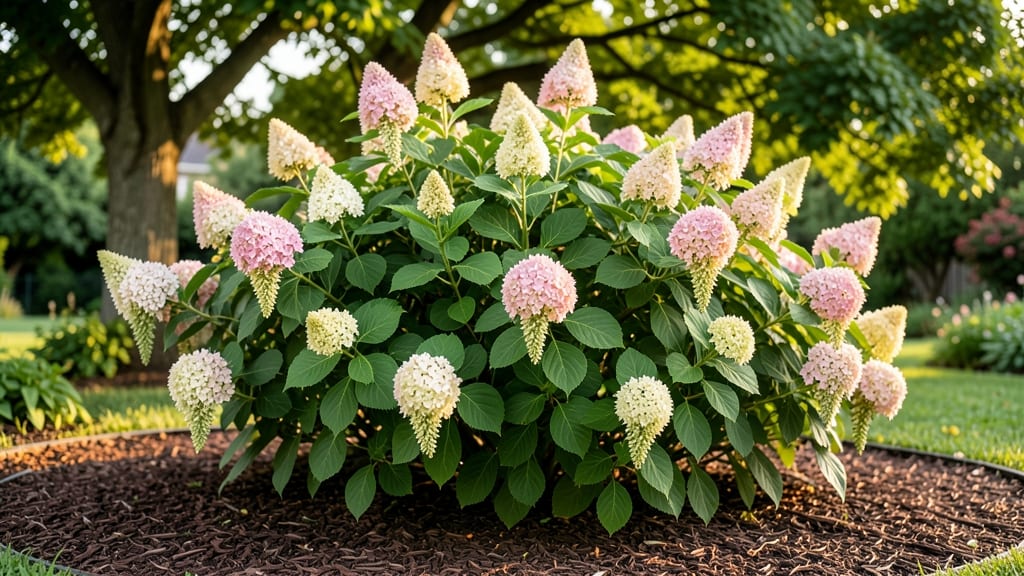
That Pee Gee tree hydrangea (Hydrangea paniculata 'Grandiflora') is the secret weapon of low-maintenance gardens—4-foot-tall summer drama that keeps blooming until frost. I’ve watched mine transform from bare branches in winter to a cloud of creamy-white flowers by July, and the best part?
It thrives on neglect once established. The real magic happens in the pruning—just a few cuts in late winter unlocks that year-round grace without the fuss of deadheading all summer.
This hydrangea loves sun but isn’t picky about soil—partial shade works too—and handles drought better than most shrubs. Plant it in well-draining soil (even rocky spots) and water deeply once a week until roots establish. The key to those football-sized blooms?
Pruning in late winter or early spring before new growth starts. Cut back one-third of the oldest stems to the ground and shape the rest—no need for fancy techniques, just a clean cut above a bud.
By summer, you’ll have pops of white, pink, or deep burgundy (depending on the season) that last until frost, plus fall color as the blooms turn golden. The stems even add winter interest with their peeling bark.
Best of all? It’s deer-resistant and rarely bothered by pests—just give it space to grow (they spread 6-8 feet wide) and avoid overwatering.
Whether you’re a beginner or just tired of finicky hydrangeas, this one delivers drama with minimal effort. The pruning takes 10 minutes and the payoff is months of blooms—plus, it’s one of the few hydrangeas that performs in heat and humidity.
Ready to add some easy elegance to your yard? Let’s get those shears out.
📚 In This Guide
- What you need
- Instructions
- Tips and common mistakes
- Wrapping up and next steps
What you need
- ● Pruning shears or loppers – Opt for bypass pruners (for clean cuts) or loppers (16-20" handle) for thicker branches. Disinfect blades with rubbing alcohol before and after use.
- ● Hand pruners – For smaller stems (use sharp, bypass-style for precision).
- ● Garden gloves – Heavy-duty, cut-resistant (hydrangeas can be thorny!).
- ● Ladder or step stool – If your hydrangea is over 6 feet tall (extendable ladders work best).
- ● Rag or paper towels – For wiping tool blades and cleaning sap.
- ○ Marking twine or flags – To tag branches for removal (optional but helpful for complex cuts).
- ○ Mulch (optional but recommended) – 2-3 inches of shredded bark or pine straw to retain moisture post-pruning.
- ● Pruning sealant – Not always necessary, but useful for large cuts (>1" diameter) to prevent disease.
- ● Disposable pruning bags – For collecting debris (eco-friendly option!).
- ● Knee pad or cushion – If you’ll be kneeling for extended periods.
- ● Camera or phone – Snap before/after photos to track progress!
How to prune Pee Gee tree hydrangeas for year-round beauty
Mastering strategic cuts transforms this hydrangea from seasonal shrub to four-season showpiece.
Time Your Pruning Based on Growth Patterns
Pee Gee hydrangeas bloom on new wood, so the best time to prune is late winter or early spring—just as buds begin to swell. This ensures you remove dead growth while preserving next season’s flower buds. If you prune too early, you risk cutting off next year’s blooms before they form.
Watch for the first signs of new growth—tiny pink buds along the stems—before making any cuts. In colder climates, wait until after the last frost when soil temperatures rise above 40°F. This timing guarantees you’re not pruning off dormant buds that haven’t yet emerged.
Remove Dead, Diseased, or Weak Wood First
Start by examining each branch for dead wood—stems that are hollow, brittle, or lack bark. Use clean, sharp pruners to cut these back to healthy growth, making the cut just above a leaf node or outward-facing bud. This prevents disease from spreading to the rest of the plant.
Next, look for branches that cross or rub against each other. These create wounds where pathogens can enter. Remove one of the conflicting stems entirely, cutting at a 45-degree angle about ¼ inch above a bud. This encourages outward growth rather than inward, keeping the shrub’s shape open and airy.
Shape the Shrub for Balance and Airflow
Step back and assess the hydrangea’s natural form. Pee Gee hydrangeas thrive when pruned to a rounded, vase-like shape, allowing sunlight to penetrate the center. Start by thinning out the oldest stems—these are usually the ones at the base of the plant. Remove 1-2 of the oldest stems each year to encourage new growth from the base.
For each remaining branch, cut back to a strong lateral branch or bud. Avoid leaving stubs—always make cuts just above a bud or node. This ensures the plant directs energy to new growth rather than healing old wounds. Aim to reduce the shrub’s height by no more than ⅓ in a single pruning session.
Encourage Full, Bushy Growth with Strategic Cuts
To promote a denser, fuller shrub, focus on selective thinning rather than heavy cutting. Look for branches that grow inward or downward—these compete with stronger stems for sunlight and nutrients. Cut these back to a healthy outward-facing bud to redirect growth outward and upward.
For the strongest stems, you can make a light heading cut—trimming just above a set of 3-5 leaves to encourage branching. This technique creates a bushier appearance while maintaining the hydrangea’s natural elegance. Avoid over-pruning; Pee Gee hydrangeas respond best to moderate cuts that stimulate new growth without stressing the plant.
Clean Up and Monitor for New Growth
After pruning, remove all debris from the area to prevent disease. Sterilize your pruners with rubbing alcohol between cuts to avoid spreading pathogens. Apply a balanced, slow-release fertilizer around the base of the plant to support new growth as the season progresses.
Within 4-6 weeks, you should see fresh green shoots emerging from the pruned areas. These will develop into next year’s blooms, so keep the soil consistently moist but well-drained. Mulch around the base with 2-3 inches of organic mulch to retain moisture and regulate soil temperature, which encourages strong root development.
Tips & tricks for pruning Pee Gee tree hydrangeas
Transforming your Pee Gee hydrangea into a year-round beauty starts with these essential pruning insights that go beyond the basics.
Timing is Everything: The late winter to early spring window is non-negotiable for Pee Gee hydrangeas because they bloom on new wood. I always check for those tiny pink buds along the stems—this is your cue that it's safe to prune. In colder regions, wait until soil temperatures consistently stay above 40°F to avoid damaging dormant buds that haven't emerged yet. This precise timing ensures you're not cutting off next season's potential blooms while removing last year's dead growth.
Tool Preparation Matters: Never skip sterilizing your pruners between cuts—this is how I prevent disease spread throughout the plant. I keep rubbing alcohol handy and wipe down blades after every 3-4 cuts, especially when dealing with diseased wood. Sharp pruners also make cleaner cuts that heal faster, so invest in a good pair with bypass pruners for larger branches and anvil pruners for smaller stems. The cleaner the cut, the better the plant's recovery.
Shape with Purpose: When shaping your hydrangea, think of it as creating an open vase shape that allows sunlight to reach all parts of the plant. I start by removing 1-2 of the oldest stems at the base each year—this encourages new growth from the bottom up. For each remaining branch, cut back to a strong lateral branch or outward-facing bud, never leaving stubs. This technique not only improves airflow but also directs the plant's energy toward producing more blooms rather than trying to heal old wounds.
Post-Pruning Care: After finishing your cuts, don't just walk away—this is where many gardeners miss the mark. I always remove all debris immediately to prevent fungal growth, then apply a balanced slow-release fertilizer around the base. The 2-3 inches of organic mulch I add afterward isn't just decorative; it regulates soil temperature and retains moisture, which is crucial for those new shoots to emerge within 4-6 weeks. This aftercare makes all the difference in how quickly your hydrangea recovers and prepares for next season's blooms.
Pro Tips for Pee Gee Tree Hydrangea
- Transforming your Pee Gee hydrangea into a year-round beauty starts with these essential pruning insights that go beyond the basics.
- Timing is Everything: The late winter to early spring window is non-negotiable for Pee Gee hydrangeas because they bloom on new wood.
- Tool Preparation Matters: Never skip sterilizing your pruners between cuts—this is how I prevent disease spread throughout the plant.
Frequently asked questions
When is the best time to prune my Pee Gee Tree Hydrangea?
The ideal time is late winter or early spring (before new growth starts). This shrub blooms on old wood, so avoid pruning after mid-summer—you’ll risk cutting off next year’s flowers! For heavy shaping, prune in stages over 2-3 years to avoid stressing the plant.
How much can I trim back my Pee Gee Tree Hydrangea?
You can safely remove up to ⅓ of the plant’s height in one season, but avoid over-pruning. Focus on dead, diseased, or crossing branches first. For a bushier look, trim just above a leaf node (bud). Never cut into old wood—this won’t regrow!
Why aren’t my hydrangea blooms as big as last year?
Smaller blooms often mean over-pruning or nutrient deficiencies. Ensure your plant gets 6+ hours of sun and well-draining soil rich in organic matter. Mulch around the base to retain moisture. If blooms are sparse, check for powdery mildew (white fuzzy spots) or pests like aphids.
Can I grow a Pee Gee Tree Hydrangea in a container?
Yes! Choose a large container (at least 20 gallons) with drainage holes. Use a balanced fertilizer (like 10-10-10) in spring and summer. Containers dry out faster, so water deeply 2-3 times per week during hot weather. Move pots to partial shade if leaves scorch.
How do I protect my hydrangea from winter damage?
Pee Gee hydrangeas are hardy to USDA Zone 5, but young plants or harsh winters may need help. Mulch heavily (4-6 inches) around the base with shredded bark or straw. Wrap the trunk in burlap if temps drop below 0°F. Avoid pruning in fall—wait until late winter!
What’s a good alternative if my hydrangea isn’t thriving?
If your Pee Gee struggles with your climate or soil, try these low-maintenance hydrangeas:
- ‘Annabelle’ Hydrangea – Disease-resistant, white blooms, thrives in heat.
- Oakleaf Hydrangea – Vibrant fall foliage, adaptable to partial shade.
- Panicle Hydrangea (‘Limelight’) – Blooms on new wood, drought-tolerant.
Wrapping up and next steps
Transforming your Pee Gee Tree Hydrangea into a stunning year-round centerpiece is easier than you think! With the right tools, timing, and pruning techniques, you’ll unlock its full potential—bold blooms, lush foliage, and a graceful silhouette that keeps giving. 🌿✂️
Ready to take the next step? Start by observing your plant’s growth patterns and scheduling your first pruning session this early spring.
Whether you’re a seasoned gardener or a curious beginner, every snip brings you closer to a thriving, show-stopping hydrangea. Your green thumb is closer than you think—go ahead and make the cut!