
Pruning
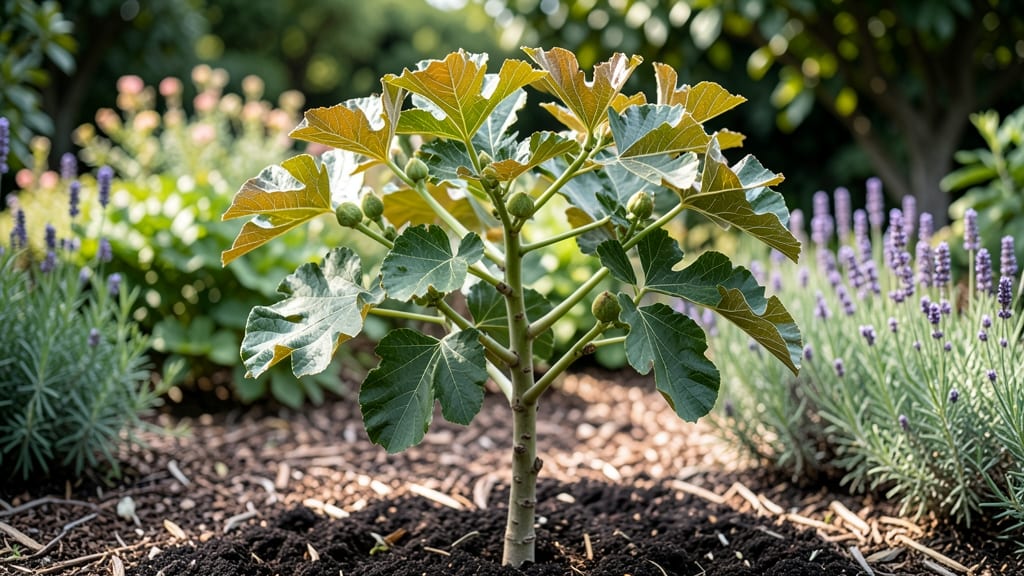
Fig tree shoots are the secret to a harvest that lasts from summer through fall—and maybe even winter if you're in a mild climate. 🌿 I've pruned figs for years, and the right cuts in early spring turn a single tree into a bushy, productive powerhouse.
The key isn't just cutting branches—it's understanding which shoots to keep and which to remove for maximum fruit production.
You'll need sharp pruners, a sunny spot with well-draining soil, and patience—figs grow fast once they get going. Most people over-prune or cut at the wrong time, but the right approach turns a scraggly tree into one that produces hundreds of figs per season.
Start by removing dead wood and crossing branches first, then shape the tree by encouraging outward growth.
By mid-summer, you'll see new shoots forming where you made your cuts, and those are the ones that will bear fruit next year. The first harvest comes from last year's growth, but the real magic happens when you train the tree to produce year-round with strategic winter pruning too.
It takes about 3-4 years to get a mature harvest, but the payoff is worth it.
Works for both container-grown figs and in-ground plants, and adapts to different climates—just adjust your pruning timing. Here's how to get started without killing your tree (or your enthusiasm).
📚 In This Guide
- What you need
- Instructions
- Tips and common mistakes
- Wrapping up and next steps
What you need
- ● Pruning shears: Sharp, bypass-style shears (for clean cuts) or anvil-style for thicker branches. Size: 6–8 inches (for most fig trees).
- ● Loppers: 1 pair (for branches ½–1.5 inches thick). Look for ratcheting or bypass types for precision.
- ○ Pruning saw: Curved-tooth saw for branches 1.5+ inches thick. Optional: Lubricant to reduce friction.
- ● Disinfectant: 70% isopropyl alcohol or bleach solution (1 part bleach to 9 parts water) to sterilize tools between cuts.
- ● Gloves: Cut-resistant gloves (e.g., leather or Kevlar) to protect hands from thorns and sap.
- ○ Pruning sealant: Tree wound dressing (optional but recommended for large cuts >2 inches). Brand tip: Look for Tanglefoot Tree Wound Pruning Sealer.
- ● Marking twine or flags: Colored twine or plastic flags to tag branches for future reference (e.g., "harvest zone" or "remove").
- ● Extension pole: 6–10 ft aluminum or fiberglass pole with a saw attachment for high branches.
- ● Ladder: Sturdy, extension ladder (rated for your tree’s height + 3 ft extra). Safety tip: Use stabilizer feet and a helper.
- ● Work apron: With tool loops and pockets for gloves/sealant.
- ● Camera or sketchbook: To document your tree’s structure before/after pruning.
- ● Compost bin: For collecting pruned branches (great for mulch or nutrient-rich compost!).
- ● Best time to prune: Late winter/early spring: Just before new growth (ideal for structural cuts).
- ● Post-harvest (fall/winter): Remove dead/diseased wood to prevent pests.
- ● Weather check: Prune on a dry, cloudy day (avoid extreme heat or frost).
- ● Tree health: Ensure your fig tree is 3+ years old and established (young trees need minimal pruning).
- ● Local regulations: Check if your area requires permits for large-scale pruning (rare but possible for urban trees).
How to prune fig trees for continuous harvests
This is the pruning method I use to keep my fig trees producing fresh fruit all year—no fancy tools, just smart cuts.
✂️ Step 1: Time Your First Cut for Late Winter
Prune your fig tree in late winter when the tree is still dormant but just before new growth begins. For most climates, this means February or early March. You'll know it's time when the ground starts to thaw but buds haven't swollen yet. This timing prevents damaging early spring growth while still giving the tree time to recover before summer heat.
Grab your pruning shears and start by removing any dead, diseased, or crossing branches. These are easy to spot—they're brown, brittle, or growing inward toward the center of the tree. Cut these back to the main trunk or to a healthy outward-facing bud. You'll see new shoots emerge from those buds in just a few weeks, signaling the tree is waking up.
🌱 Step 2: Shape the Tree for Airflow and Light
Next, focus on opening up the tree's center to improve airflow and sunlight penetration. Figs produce best when their branches receive plenty of light, so aim to create an open vase shape. Remove any branches that grow straight up or inward, cutting them back to a healthy outward-facing bud or lateral branch.
Here's the thing—don't overdo it. You want to maintain the tree's natural shape while encouraging new growth. A good rule of thumb is to remove no more than 25% of the tree's canopy in one season. If you see water sprouts (thin, fast-growing shoots) popping up along the trunk or branches, trim those back to just above a leaf node. These shoots steal energy from fruit production, so removing them early keeps the tree focused on bearing.
☀️ Step 3: Encourage Fruit Production With Summer Pruning
After the initial spring pruning, your fig tree will start sending out new shoots. This is where the magic happens—pruning these new shoots strategically ensures a continuous harvest. Wait until the shoots are about 12 inches long before making your cuts. At this stage, they're strong enough to support fruit but not so large that pruning will stress the tree.
Select the strongest, most vigorous shoots and cut them back to just above a leaf node where at least three leaves are present. This encourages branching and fruit production. Leave the weaker shoots alone—they'll still produce fruit, just later in the season. You'll notice new smaller shoots forming at the cut points within 2-3 weeks. These are your future fruit-bearing branches, so give them plenty of space to grow.
⏰ Step 4: Light Maintenance Pruning Through the Seasons
Throughout the growing season, keep an eye out for suckers (new shoots growing from the base of the tree) and water sprouts (thin, vertical shoots). These compete with your fruit-bearing branches for energy. Use your pruning shears to trim them back to the ground or to a healthy bud as soon as you spot them. This might seem like constant work, but it pays off with larger, sweeter figs and fewer pests.
In early fall, give your fig tree a final light pruning to remove any dead or diseased branches and tidy up the shape. Avoid heavy pruning at this stage—you want the tree to enter winter with enough energy to recover. If you live in a warmer climate where figs grow year-round, you can skip winter pruning entirely and focus on light maintenance cuts every few months to keep the tree productive.
🌿 Step 5: Harvest and Prune for Next Year
As your figs ripen, harvest them regularly to encourage more production. Once you've picked all the fruit for the season, it's time to plan next year's pruning. In late fall or early winter, do a final inspection of your tree. Remove any branches that didn't produce well or are weak and diseased. This is also a great time to thin out crowded branches to improve airflow and reduce the risk of fungal diseases.
Step back and admire your tree—you've just set it up for another year of bountiful harvests. The key is consistency. Pruning fig trees isn't about drastic cuts; it's about encouraging balanced growth and keeping the tree healthy. With this method, you'll enjoy fresh figs well into the fall, and sometimes even through winter in mild climates.
Tips & tricks for perfect fig tree pruning
These simple strategies will help you keep your fig tree thriving all year with minimal effort.
Timing is Everything: The late winter timing in Step 1 is crucial—waiting until buds start to swell means you won't damage new growth while still giving the tree time to recover before summer. Confession: I skipped this once and ended up with stunted growth for a full season. If you're in a warmer climate where winter isn't as defined, aim for just before your last frost date instead of a fixed month.
Visual Cues Over Guessing: When shaping your tree in Step 2, look for branches that grow straight up or cross others—they're the ones to remove. I learned this the hard way after leaving a crossing branch and ending up with crowded, disease-prone growth. For the 25% canopy rule, think of it as removing one out of every four branches in each section. This balance is what keeps your tree productive without stressing it.
Summer Pruning Secrets: The 12-inch mark in Step 3 is your sweet spot—shoots this size are strong enough to support fruit but not so large that cutting them back will shock the tree. Here's what nobody tells you: those new shoots that form at the cut points within 2-3 weeks are your future fruit producers. Give them space by not overcrowding the branches, and you'll get bigger, sweeter figs.
Seasonal Maintenance: Throughout the growing season, I make it a habit to check my trees weekly for suckers and water sprouts. These little guys might seem harmless, but they're energy vampires that steal resources from your fruit-bearing branches. The key is to catch them early—once they get too big, removing them becomes more stressful for the tree. In early fall, I do a light cleanup to remove any dead branches and tidy up, but I never take more than 10% off at this stage.
Pro Tips for Fig Tree Shoots
- These simple strategies will help you keep your fig tree thriving all year with minimal effort.
- Timing is Everything: The late winter timing in Step 1 is crucial—waiting until buds start to swell means you won't d...
- Visual Cues Over Guessing: When shaping your tree in Step 2, look for branches that grow straight up or cross others—...
Frequently asked questions
Got questions about growing and harvesting fig tree shoots? You’re not alone! Here are answers to the most common queries—whether you’re a beginner or a seasoned gardener looking to optimize your harvest.
When is the best time to prune fig trees for shoots?
Prune your fig tree in late winter or early spring (before new growth starts) for the best results. This timing encourages vigorous, healthy shoots by removing old wood. Avoid heavy pruning after summer, as it may stress the tree before winter dormancy. Pro tip: If you live in a mild climate, a light pruning in fall can also stimulate early shoots!
How long does it take for fig tree shoots to grow after pruning?
Shoots typically emerge within 2–4 weeks after pruning, depending on weather and tree health. Warmth (60°F+) and consistent moisture speed up growth. If no shoots appear after 6 weeks, check for root rot, pests, or nutrient deficiencies—adjust care accordingly. Fun fact: Some varieties, like Brown Turkey, are faster growers than others!
Can I eat fig tree shoots, or are they just for pruning?
Young fig tree shoots are edible and delicious—similar to asparagus or fiddleheads. Harvest them when tender (6–12 inches tall), steam or sauté them, and enjoy their mild, slightly sweet flavor. Caution: Avoid shoots from trees treated with pesticides; opt for organic methods if eating them raw.
What’s the best way to prune for maximum shoots?
Use clean, sharp pruners to cut just above a bud or branch collar (never leave stubs). Remove dead, crossing, or weak branches first, then thin out crowded growth to improve airflow. Aim for an open vase shape—this encourages more shoots and better fruit production later. Golden rule: Never prune more than 1/3 of the tree in one session!
What if my fig tree isn’t producing shoots after pruning?
Check these common issues:
- Location: Fig trees need 6+ hours of sun daily—move to a sunnier spot if needed.
- Water: Drought stress stalls growth; water deeply 1–2 times per week (more in heatwaves).
- Soil: Poor drainage or compacted soil can suffocate roots—amend with compost.
- Fertilizer: Apply a balanced 10-10-10 fertilizer in early spring to boost growth.
Can I grow fig tree shoots in containers?
Yes! Dwarf varieties like Little Miss Figgy thrive in containers (15+ gallon pots). Use well-draining soil with perlite, and prune aggressively to control size. Move pots indoors (bright window or grow lights) in winter if temps drop below 20°F. Warning: Containers dry out faster—water frequently and fertilize monthly in growing season!
Wrapping up and next steps
Fig tree shoots are a gardener’s secret to a bountiful, year-round harvest—and with the right pruning techniques, you’re well on your way to success! 🌱 By understanding when, how, and why to trim, you’ll encourage healthier growth, maximize fruit production, and keep your tree thriving for seasons to come.
Now that you’re armed with the knowledge, roll up your sleeves and get pruning! Start with small, confident cuts, observe your tree’s response, and adjust as needed. Happy gardening—and may your fig tree reward you with sweet, sun-ripened fruit all year long!