
Pruning
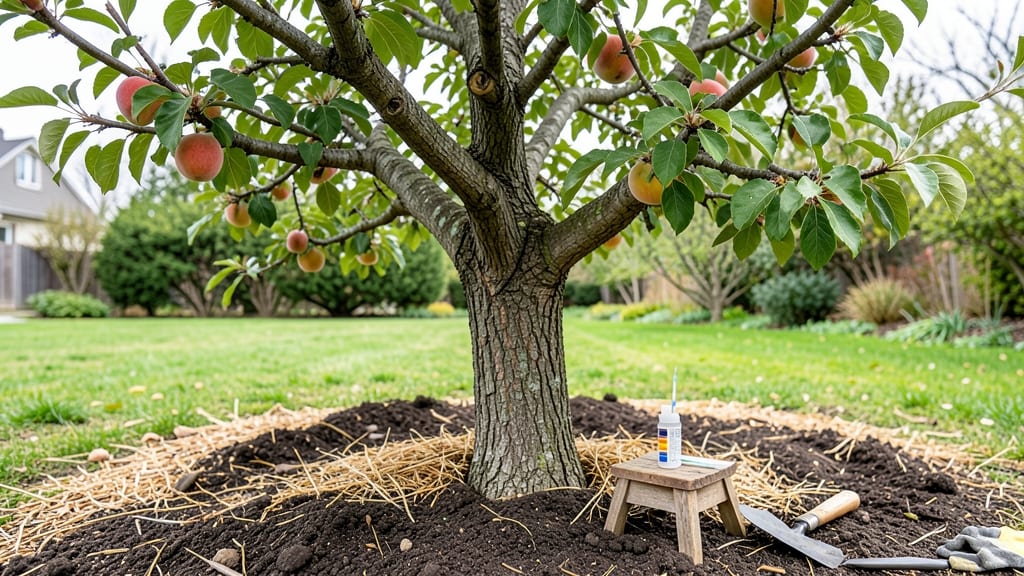
Growing a thriving peach tree 🍑 starts with soil that meets its exact requirements for drainage, nutrients, and pH.
Struggling to get your tree to produce fruit—or even survive past a few years?—could be a soil problem. The right mix isn’t just about dirt; it’s about creating a foundation that keeps roots healthy, prevents disease, and fuels sweet harvests.
Peach trees thrive in well-draining, slightly acidic soil with a pH between 5.5 and 6.5. Too much clay or sand? We’ll show you how to amend it. Too alkaline? A simple fix keeps nutrients flowing where they’re needed.
Here’s how to test your soil, adjust it for your climate, and avoid the three biggest mistakes that stunt growth—so you can enjoy juicy peaches instead of struggling with a sickly tree.
Ideal soil pH levels for peach trees and how to test them
Peach trees thrive when their soil pH falls within the ideal range of 5.5 to 6.5. This slightly acidic to neutral range ensures optimal nutrient absorption, particularly for essential elements like zinc, iron, and phosphorus.
When the pH strays too far from this range, your tree may struggle with chlorosis (yellowing leaves), poor fruit set, or even decline.
Understanding how to test and adjust your soil’s pH is the first step to growing a healthy, productive peach tree that yields sweet, juicy fruit year after year.
If your soil is too alkaline (pH > 7.0), peach trees can’t access critical micronutrients like zinc and iron, leading to iron chlorosis—where leaves turn yellow between the veins while remaining green near the edges.
Conversely, acidic soil (pH < 5.5) can lock out phosphorus and calcium, stunting growth and reducing fruit quality. The good news? Testing your soil’s pH is simple, and adjustments are straightforward with the right amendments.
Why pH matters: A pH of 5.5–6.5 maximizes the availability of 16 essential nutrients peach trees need, including nitrogen, potassium, and micronutrients like manganese and copper. Without the right pH, even the most fertile soil can fail to support your tree’s growth. For example, zinc deficiency (common in alkaline soils) causes small, deformed leaves and poor fruit development—symptoms that can be reversed with a pH adjustment.
| Soil Condition | Ideal pH Range | Signs of Imbalance | Solution |
|---|---|---|---|
| Acidic Soil | Below 5.5 | Stunted growth, poor flowering | Add lime (calcium carbonate) |
| Neutral Soil | 5.5–6.5 | Healthy growth, vibrant leaves | Maintain with organic matter |
| Alkaline Soil | Above 7.0 | Yellow leaves (chlorosis), weak growth | Add sulfur or peat moss |
| Compacted Soil | Any pH (poor drainage) | Root rot, waterlogged roots | Aerate with compost or sand |
Testing your soil’s pH is easier than you think. Home test kits (available at garden centers for under $10) provide a quick, affordable way to check your soil’s acidity or alkalinity. These kits typically include a probe or liquid reagent that changes color when dipped into a soil-water mixture.
Compare the color to the provided chart to determine your pH. For more precise results, send a soil sample to a local agricultural extension office—many offer testing for as little as $10–$20, and they’ll provide a detailed report with recommendations for amendments.
To test your soil at home, follow these steps: 1. Collect soil samples from 6–8 inches deep (where roots grow) in multiple spots around your tree. 2. Mix the samples in a clean bucket and remove debris like rocks or roots. 3.
Moisten the soil with distilled water (tap water can alter results). 4. Insert the test kit’s probe into the soil or follow the kit’s instructions for the liquid test. 5. Compare the color to the chart and note your pH reading.
If your soil tests below 5.5, you’ll need to raise the pH using agricultural lime (calcium carbonate). Apply 5–10 pounds per 100 square feet and work it into the top 6 inches of soil.
For alkaline soil (pH > 7.0), elemental sulfur or peat moss will lower the pH. Sulfur is slower-acting but long-lasting, while peat moss provides immediate (but temporary) results. Always re-test your soil 2–3 months after amending to ensure you’ve reached the ideal 5.5–6.5 range.
For established peach trees, organic mulch (like wood chips or straw) can help maintain the right pH by slowly decomposing and adding acidity over time. Avoid synthetic fertilizers that can disrupt the soil’s natural balance—stick to compost, well-rotted manure, or balanced organic fertilizers to keep your tree thriving.
Remember, consistent monitoring is key. Test your soil annually in early spring to catch any pH shifts before they affect your tree’s health.
One common mistake gardeners make is overcorrecting pH. Dramatic changes (like adding too much lime at once) can harm beneficial soil microbes and stress your peach tree. Instead, make small adjustments over time and re-test frequently.
For example, if your soil is pH 7.2, aim to lower it by 0.5 points in the first year, then fine-tune in subsequent years. Patience pays off—your peach tree will reward you with vibrant foliage, abundant blossoms, and delicious fruit when the pH is just right.
🌱
Drainage and nutrient needs: how to prepare perfect soil for peach trees
Peach trees thrive when planted in well-draining, loamy soil rich in organic matter. The right soil mix ensures strong root development, prevents waterlogged roots, and delivers essential nutrients for fruit production.
If your soil is heavy clay or sandy, don’t worry—simple amendments can transform it into the perfect growing medium for your peach tree.
Start by testing your soil’s drainage. A quick test is to dig a hole, fill it with water, and time how long it takes to drain. If water pools after 24 hours, your soil is too compacted.
Peach trees despise soggy roots, which can lead to root rot and stunted growth. Aim for soil that drains within 4-6 hours—this is ideal for healthy root systems.
Soil Preparation for Peach Trees: Pros and Cons
✅ Loamy Soil
Balances drainage and nutrient retention
Ideal for root growth and fruit production
Prevents waterlogging
❌ Clay Soil
Poor drainage leads to root rot
Nutrients leach away quickly
Requires heavy amendments
✅ Sandy Soil
Drains too quickly
Lacks nutrient retention
Needs organic matter
✅ Amended Soil
Compost improves structure
Manure adds nutrients
Balances pH naturally
To create the perfect soil blend, mix in 3-4 inches of compost or well-rotted manure into the top 12 inches of soil. This adds organic matter, improves texture, and provides slow-release nutrients.
For sandy soil, add peat moss or coconut coir to retain moisture, while clay soil benefits from coarse sand or perlite to break up compaction.
Peach trees need a balanced diet of nitrogen (N), phosphorus (P), and potassium (K). At planting, use a 10-10-10 fertilizer to kickstart growth. In early spring, apply a low-nitrogen fertilizer (like 5-10-10) to encourage fruiting. Avoid high-nitrogen fertilizers in summer—they promote leafy growth at the expense of fruit development.
Don’t forget micronutrients like zinc, iron, and manganese. These are crucial for preventing leaf discoloration and poor fruit set. If your soil is deficient, use a chelated micronutrient spray or apply egg shells or wood ash for calcium. Always water deeply after fertilizing to prevent root burn.
Mulch your peach tree with 3-4 inches of organic mulch, like straw or wood chips, to conserve moisture and regulate soil temperature. Keep mulch 6 inches away from the trunk to prevent rot.
This simple step reduces weeds, improves soil structure over time, and ensures your peach tree stays healthy year-round.