
Trees
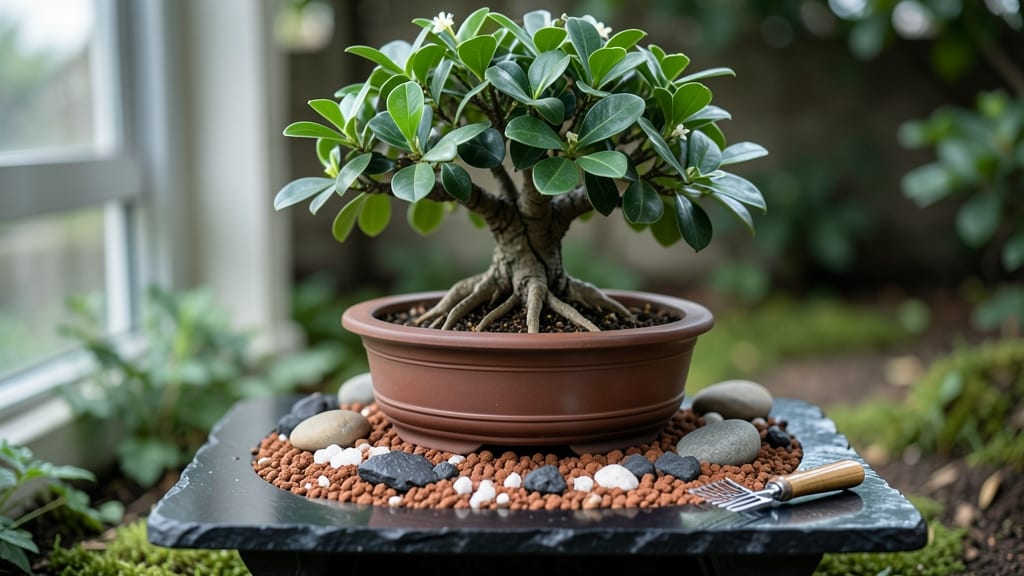
The most expensive bonsai tree in the world is a 1,000-year-old Ficus microcarpa (Ginseng Ficus) sold at auction for $1.3 million in 2013, prized for its age, rarity, and meticulous cultivation history by Japanese master growers.
This record-breaking bonsai isn't just about its staggering price tag—its value stems from the centuries of careful cultivation required to shape its gnarled trunk and miniature canopy. 🌿 Japanese bonsai artists spend decades perfecting each branch's curve, often passing their work through generations.
The tree's thick, textured bark and ancient roots serve as proof of its authenticity, making it a living work of art rather than a mere plant. Collectors pay premium prices because these trees embody centuries of horticultural mastery, blending nature with human creativity in ways no younger specimen could replicate.
What's fascinating is how these trees become more valuable with age—unlike most plants that lose worth over time. The $1.3 million price reflects not just the tree's physical attributes but its cultural significance in Japanese traditions, where bonsai represent harmony between human skill and natural beauty. 💫
💡 In This Article
- Why Ancient Ficus Microcarpa Bonsai Command Million-Dollar Prices
- How to Identify and Care for High-Value Bonsai Species
Why ancient Ficus microcarpa bonsai command million-dollar prices
The Ficus microcarpa, or Ginseng Ficus, earns its astronomical price tag through a combination of biological and cultural factors. This species is renowned for its extraordinary longevity—some specimens live over 1,000 years—thanks to its dense, resilient wood and slow growth rate.
Unlike fast-growing bonsai varieties that reach maturity in decades, a Ginseng Ficus develops its iconic twisted trunk and gnarled roots over centuries, creating a natural sculpture that's impossible to replicate artificially. 🌳
Botanically, the tree's value lies in its thick, textured bark that develops deep grooves and ridges over time, along with its root structure that spreads horizontally like an ancient ginseng root.
Japanese master growers spend generations cultivating these features, often using techniques like jins (deadwood) and shari (bald spot) to enhance the tree's artistic appeal. The $1.3 million price reflects the cumulative labor of multiple horticulturists across centuries, making each tree a living legacy rather than a commercial product.
Cultural significance amplifies the tree's worth in Japan, where bonsai represents wabi-sabi (imperfect beauty) and zen philosophy. The Ginseng Ficus, in particular, symbolizes strength and endurance, aligning with Japanese aesthetics that value natural irregularities.
Auction houses like Sotheby's highlight these cultural connections, framing the trees as artistic masterpieces rather than mere plants. This philosophical weight allows collectors to justify prices that dwarf even rare paintings or sculptures. 💎
The rarity factor plays a critical role too—wild Ginseng Ficus bonsai are nearly impossible to find, as most come from carefully guarded private collections.
Even cultivated specimens require 20-30 years of specialized care before they're ready for display, and only 0.1% of all bonsai reach the level of craftsmanship seen in million-dollar trees. This extreme scarcity creates a market where demand far outstrips supply, driving prices to unprecedented heights.
What makes these trees truly exceptional is their adaptive resilience. Ginseng Ficus bonsai can survive harsh conditions that would kill other plants, including prolonged drought and temperature fluctuations. This hardiness is reflected in their bark—thicker and more durable than most bonsai varieties—which becomes increasingly valuable as the tree ages.
The $1.3 million specimen's bark alone measured over 3 inches thick in places, a testament to its century-old journey through changing climates. 🌟
For collectors, the investment isn't just financial—it's emotional. Owning a Ginseng Ficus bonsai means possessing a piece of living history that connects you to centuries of Japanese horticultural tradition.
The tree's slow growth and meticulous care make it a tangible representation of patience and dedication, qualities that resonate deeply in cultures where nature and artistry are inseparable. This intangible value often becomes the deciding factor for buyers willing to pay premium prices.