
How To
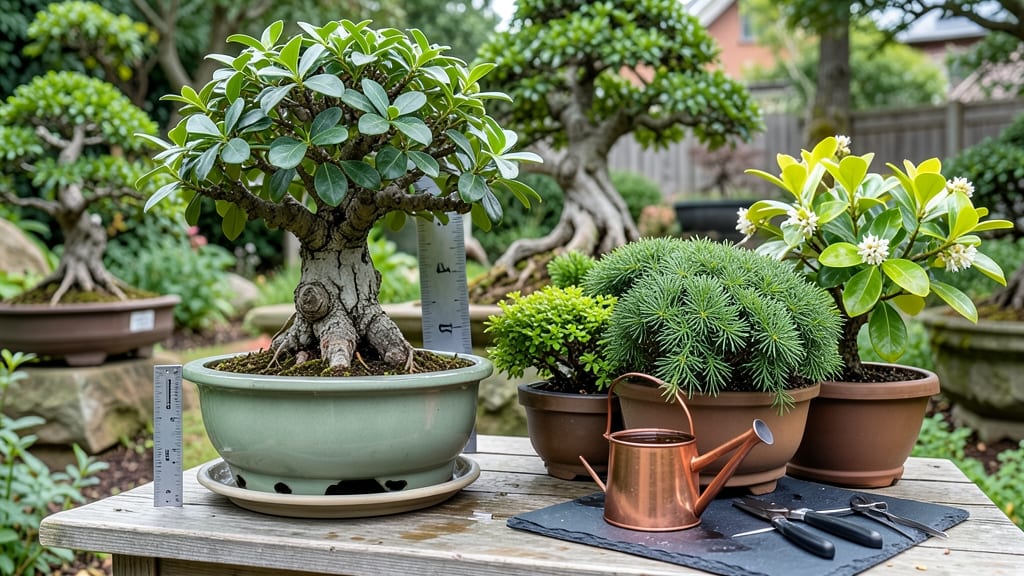
A bonsai tree grows how tall they do from a few inches to over 5 feet, depending entirely on species, pruning, and your patience.
Picture this: your meticulously shaped Juniper 🌳 suddenly shooting up like a sapling overnight. It’s not just luck—it’s how fast you prune, how you wire the branches, and which species you choose.
Some, like the delicate Azalea, max out at 2 feet, while a neglected Chinese Elm can tower to 5 feet if left unchecked.
But here’s the secret: the key to controlling height lies in understanding your tree’s natural growth rate and applying the right techniques. Whether you’re aiming for a tabletop Ficus or a display-worthy Pine, this guide breaks down species-specific limits and the pruning methods that keep them in check.
Discover how to stop your bonsai from outgrowing its pot, which varieties stay tiny with minimal effort, and the game-changer pruning schedules that keep it at your desired height—no guesswork, just results.


Bonsai tree height limits by species: what to expect from common varieties
If you’ve ever wondered why your bonsai tree seems to have a mind of its own about height, you’re not alone. The truth is, bonsai height limits depend entirely on the species and your cultivation techniques.
A Juniper bonsai, for example, might stay compact at 12–36 inches, while a neglected Chinese Elm could stretch to 5 feet if left unchecked. Let’s break down the natural growth ranges of popular bonsai varieties so you can set realistic expectations—and avoid surprises.
Understanding these species-specific height limits helps you choose the right tree for your goals. Want a tabletop bonsai? Opt for dwarf varieties like Pomegranate (3–12 inches). Craving a dramatic display piece?
A Ficus Retusa can reach 18–48 inches with proper care. The key is matching your growth goals with the tree’s natural tendencies—and knowing when to intervene with pruning or wiring.
Below, you’ll find a species-by-species guide to mature heights, growth rates, and tips for controlling size. Remember: Even the fastest growers can be tamed with patience and the right techniques!
| Species | Mature Height Range | Growth Rate | Best For | Pruning Needs |
|---|---|---|---|---|
| Juniper (e.g., Procumbens) | 12–36 inches | Slow to moderate | Tabletop, indoor/outdoor | Light annual pruning |
| Ficus Retusa (Ginseng Ficus) | 18–48 inches | Moderate (fast if neglected) | Display, indoor | Regular pinching |
| Azalea (Indica) | 6–24 inches | Slow | Tabletop, indoor | Minimal pruning |
| Chinese Elm (Ulmus parvifolia) | Up to 5 feet (if neglected) | Fast | Outdoor display | Aggressive pruning |
| Pomegranate (Dwarf Varieties) | 3–12 inches | Very slow | Miniature, indoor | Light trimming |
How to control bonsai height: pruning, wiring, and grafting techniquesControlling your bonsai tree height starts with understanding the right techniques for your specific species and growth goals. Whether you're aiming for a tabletop miniature or a display-sized masterpiece, precise methods like pruning, wiring, and grafting will keep your tree at your desired height. The key is timing—most pruning should happen during the active growing season (spring and early summer) to avoid stressing the tree. For fast-growing species like Ficus or Chinese Elm, regular pruning is essential to prevent them from reaching unwanted heights. Slower growers like Juniper or Pine require more strategic pruning to maintain their natural shape while controlling vertical growth. Let’s break down the most effective techniques to keep your bonsai at the perfect height.
Seasonal timing is critical—prune Juniper bonsai in late winter to encourage new growth, while Ficus bonsai respond best to pruning in early spring. Always use sterilized tools like concave cutters or bypass pruners to make clean cuts. Avoid using regular shears, as they can crush branches and damage the tree. For aggressive growers like Chinese Elm, combine root pruning with defoliation to dramatically slow height growth. Monitor your bonsai’s response—if you see yellowing leaves or stunted growth, you may be pruning too aggressively. Adjust your approach based on the tree’s health and your desired height goals. With patience and precision, you can maintain your bonsai at any height—whether it’s a 6-inch tabletop masterpiece or a 3-foot display tree. The key is consistency: regular pruning, proper wiring, and strategic grafting will keep your bonsai thriving at your ideal size. Happy pruning! ✂️🌿 |