
Container Gardens
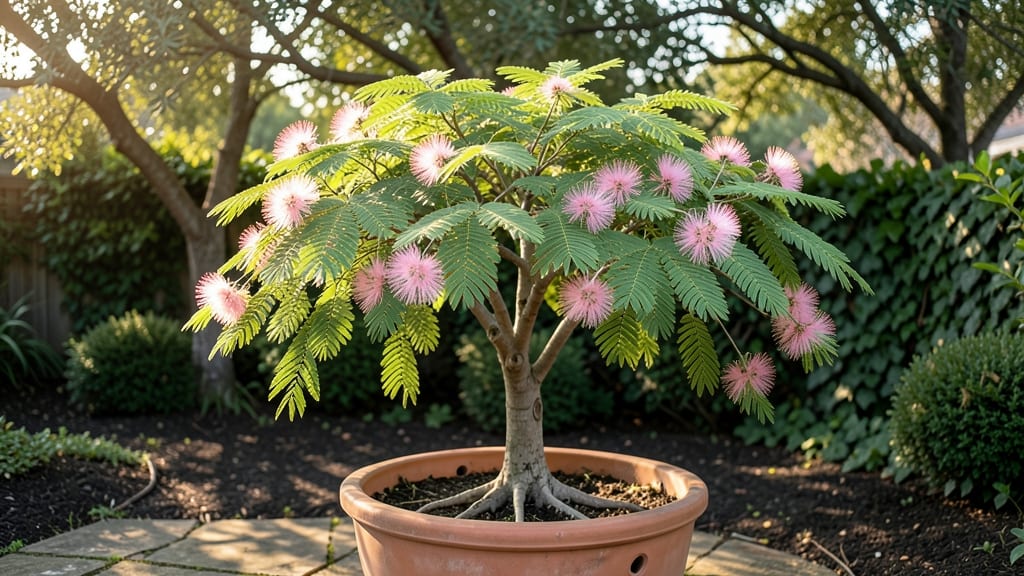
Growing a mimosa tree in a container turns your patio into a dreamy, sun-drenched oasis. 🌿 The silky pink blooms and feathery foliage make this tree a standout—if you give it the right-sized pot, well-draining soil, and a spot that basks in full sun for at least 6 hours a day.
I’ve watched mine transform from a scraggly sapling into a lush, flowering centerpiece, and the secret lies in mimicking its natural, airy root system in a container.
The key to success starts with the pot: choose one at least 18 inches wide with drainage holes, and upgrade to 24 inches as the tree grows. A lightweight, fast-draining mix of 50% potting soil, 30% perlite, and 20% compost keeps roots happy without soggy messes.
Water deeply when the top 2 inches of soil dry out, but avoid letting it sit in saucers—mimosa trees hate wet feet. Fertilize lightly every 4-6 weeks during spring and summer with a balanced, water-soluble formula, and you’ll see those signature blooms by mid-summer.
Pruning is where container magic happens. Trim back leggy branches in early spring to encourage bushier growth, and deadhead spent blooms to keep the show going all season. The real payoff?
A tree that stays compact enough for patios but still bursts with color, drawing hummingbirds and butterflies to your space. With the right care, your mimosa will reward you with years of effortless elegance—no yard required.
Winter care is the only real challenge: move containers indoors or to a sheltered spot before temperatures dip below 20°F, or wrap the pot in burlap for extra protection. Root-bound issues?
Repot every 2-3 years in spring, and you’ll avoid the stress of stunted growth. The trade-off? A tree that thrives in tight spaces and steals the show every season.
📚 In This Guide
- What you need
- Instructions
- Tips and common mistakes
- Wrapping up and next steps
What you need
- ● Container: A large, durable pot (at least 18–24 inches in diameter) with drainage holes. Opt for fiberglass, ceramic, or heavy plastic to prevent tipping.
- ● Well-draining potting mix: A blend of 60% potting soil, 30% perlite or pumice, and 10% compost (avoid garden soil—it compacts!).
- ● Mimosa tree (Albizia julibrissin): A 1–3 gallon container-grown sapling (bare-root trees may struggle in pots). Check for healthy foliage and no signs of pests.
- ● Mulch: 2–3 inches of bark chips or pine straw to retain moisture and regulate soil temperature.
- ● Gloves & trowel: For handling soil and planting without mess.
- ● Pruning shears: To shape the tree and remove dead branches (sterilize with rubbing alcohol first!).
- ● Watering can or hose with a gentle nozzle: Mimosa trees hate soggy roots—aim for deep but infrequent watering.
- ● Fertilizer: A balanced, slow-release granular fertilizer (10-10-10) or liquid bloom booster (diluted to half-strength).
- ○ Support stake (optional): If your mimosa grows tall, a 3–4 foot bamboo stake and soft ties can help stabilize it.
- ○ Container saucer or tray (optional): To catch runoff and prevent water damage to decks.
- ● 🌡️ Climate prep: Mimosa trees thrive in USDA Zones 7–10. If you’re in a cooler zone, move the container indoors during winter or use a heated pot mat.
- ● ✨ Drainage boost: Add a 1-inch layer of gravel or broken pottery at the bottom of the pot to prevent root rot.
- ● 🎯 Light check: Place your container in full sun (6+ hours of direct light daily). A south- or west-facing spot is ideal!
Step-by-Step instructions for growing a mimosa tree in a container
Here's how to cultivate a stunning mimosa tree in a pot—perfect for bright patios and sunny balconies.
🪴 Step 1: Select the Right Container and Soil Mix
Choose a large container with drainage holes—at least 18 inches wide and deep to accommodate the mimosa's expansive root system. I recommend a fiberglass or ceramic pot because it retains moisture while allowing airflow. Avoid plastic, which can trap excess heat and moisture.
Use a well-draining potting mix blended with 20% perlite or pumice to prevent compaction. Mimosa trees hate soggy roots, so this mix ensures water flows freely. Fill the pot ⅓ full with the prepared mix, then tap the container gently to settle the soil without compacting it.
🌱 Step 2: Plant the Mimosa Tree and Prune for Shape
Remove the mimosa from its nursery pot and loosen the roots gently if they're circling. Place the tree in the container, ensuring the root flare (where the roots meet the trunk) sits just above the soil line. This prevents suffocation and encourages strong growth.
Backfill with the remaining soil, pressing lightly to eliminate air pockets. Mimosa trees grow fast, so prune back any leggy branches by ⅓ to encourage bushier growth. Use clean, sharp pruners to make cuts just above a leaf node—this ensures the plant heals quickly and new growth emerges.
☀️ Step 3: Position for Full Sun and Water Deeply
Mimosa trees thrive in full sun (6+ hours daily), so place your container on a south- or west-facing balcony or patio. If you notice leaves yellowing or stems stretching, the tree needs more light—move it closer to the sun or supplement with a grow light for 12-14 hours daily.
Water deeply once a week, allowing 2-3 inches of soil to dry between waterings. Stick your finger 2 inches into the soil—if it feels dry, it's time to water. Overwatering is the fastest way to kill a mimosa, so always check before adding more moisture. Mulch the top inch of soil with orchid bark to retain humidity and deter weeds.
✂️ Step 4: Fertilize and Prune for Year-Round Bloom
Feed your mimosa with a balanced, slow-release fertilizer (10-10-10) every 6-8 weeks during the growing season (spring through fall). I like to mix it into the top 2 inches of soil to avoid burning the roots. In late winter, switch to a low-nitrogen fertilizer (5-10-10) to encourage flowering.
Prune again in early spring to shape the tree and remove any dead or crossing branches. Mimosa trees bloom on new wood, so light pruning after flowering keeps them compact and encourages more blooms. Avoid heavy pruning—this can reduce next year’s flowers. Wear gloves when pruning, as mimosa leaves can be irritating to sensitive skin.
⏰ Step 5: Overwinter and Protect from Frost
Before the first frost, move your mimosa to a sheltered location (like a garage or covered porch) where temperatures stay above 30°F. Reduce watering to once every 2-3 weeks, letting the soil dry more between waterings. Mimosa trees go semi-dormant in winter, so no fertilizer is needed during this time.
In early spring, resume regular watering and fertilizing as the tree wakes up. Watch for new growth—pale green leaves signal it’s time to move the container back outdoors. Mimosa trees are tough once established, but young specimens may need a lightweight frost cloth on especially cold nights.
Tips & tricks for perfect mimosa tree in container
Common pitfalls—and how to sidestep every one when growing your mimosa tree in a container.
Container Selection: For the 18-inch container mentioned in Step 1, consider adding a saucer or cache pot underneath to catch excess water from drainage holes. This prevents root rot by keeping moisture away from the roots while still allowing proper drainage. I've found that ceramic pots with a glossy finish reflect more sunlight, which can help in cooler climates where your balcony might not get intense afternoon sun.
Soil Mix Strategy: When blending your potting mix with 20% perlite or pumice in Step 1, I recommend adding a handful of worm castings (optional) to boost nutrient availability. This improves root development without altering the drainage properties. The key is to mix thoroughly—uneven distribution can create pockets where water pools, which mimosa trees absolutely despise.
Pruning Precision: In Step 2, when pruning back leggy branches by ⅓, focus on removing branches that are growing inward or rubbing against others. These are the ones that create weak spots and compete for sunlight. Always use sterilized pruners to prevent introducing diseases—wipe them with rubbing alcohol between cuts. The goal is to maintain an open center that allows light to penetrate all the way to the trunk.
Light Supplementation: For the 12-14 hours of grow light mentioned in Step 3, position the light source about 12-18 inches above the plant. Mimosa trees need bright, indirect light to thrive, so avoid direct LED light which can scorch the delicate leaves. I've had success using full-spectrum grow lights on a timer—this ensures consistent light exposure even when natural sunlight is limited.
Pro Tips for Mimosa Tree In Container
- Common pitfalls—and how to sidestep every one when growing your mimosa tree in a container.
- Container Selection: For the 18-inch container mentioned in Step 1, consider adding a saucer or cache pot underneath to catch excess water from drainage holes.
- Soil Mix Strategy: When blending your potting mix with 20% perlite or pumice in Step 1, I recommend adding a handful of worm castings (optional) to boost nutrient availability.
Frequently asked questions
Got questions about growing a mimosa tree in a container? You’re not alone! Here are some of the most common concerns—and their solutions—to help you cultivate this sun-loving beauty with confidence.
How big can a mimosa tree grow in a container?
A mimosa tree (Albizia julibrissin) can reach 10–20 feet tall in the ground, but in containers, growth is limited by root space. Expect 6–12 feet over 5–10 years with proper pruning. Use a large pot (24"+ diameter) and prune annually to manage size. Dwarf varieties like ‘Summer Chocolate’ stay smaller (8–10 ft) but still thrive in containers!
When is the best time to plant a mimosa tree in a container?
Plant your mimosa in early spring (after the last frost) or late fall (6–8 weeks before winter). This gives roots time to establish before extreme heat or cold. Avoid transplanting in summer—heat stress can shock the tree. If buying a potted mimosa, replant it in its new container immediately to minimize root disturbance.
How often should I water a mimosa tree in a container?
Containers dry out fast—water when the top 2 inches of soil feel dry (usually every 2–3 days in summer, less in winter). Mimosa trees hate soggy roots, so ensure pots have drainage holes. Pro tip: Use a moisture meter or stick your finger in the soil to check! Mulching with pine bark helps retain moisture.
What if my mimosa tree’s leaves turn yellow or drop?
Yellow leaves often signal overwatering, underwatering, or nutrient deficiencies. Check for:
- Brown edges = underwatering or salt buildup (flush with water).
- Yellowing between veins = overwatering or poor drainage.
- General pale leaves = nitrogen deficiency (use a balanced fertilizer in spring).
Also, mimosa trees drop leaves naturally in fall—don’t panic! If defoliation happens unexpectedly, inspect for aphids or spider mites (treat with neem oil).
Can I grow a mimosa tree in a container indoors?
Mimosa trees need full sun (6+ hours daily), making indoor growth challenging. If you must try, place it near a south-facing window and supplement with a grow light (12+ hours/day). However, they’re not ideal for indoors—their roots and size outgrow most homes quickly. Alternative: Try a potted frangipani or crape myrtle for a similar tropical vibe with better adaptability.
Why does my mimosa tree have no flowers?
Mimosa trees flower best with full sun, proper pruning, and mature age (often 3–5 years old). If yours isn’t blooming:
- Ensure it gets 6+ hours of direct sunlight daily.
- Prune in late winter to encourage new growth.
- Fertilize with phosphorus-rich food (like 10-20-10) in spring.
- Be patient—some varieties (like ‘Pink Cascade’) flower more reliably than others.
If it’s still struggling, check for stress signs (pests, root-bound pots, or poor drainage).
Wrapping up and next steps
Growing a mimosa tree in a container is a rewarding way to bring fragrant beauty and vibrant blooms to your balcony or patio—even in small spaces! With the right care, sunlight, and container setup, you’ll enjoy its delicate flowers and lush foliage year after year. 🌸
Ready to transform your outdoor space? Start by choosing your container and planting your mimosa this weekend—your future garden oasis awaits! For extra tips, check out our FAQs or explore more container gardening ideas.