
How To
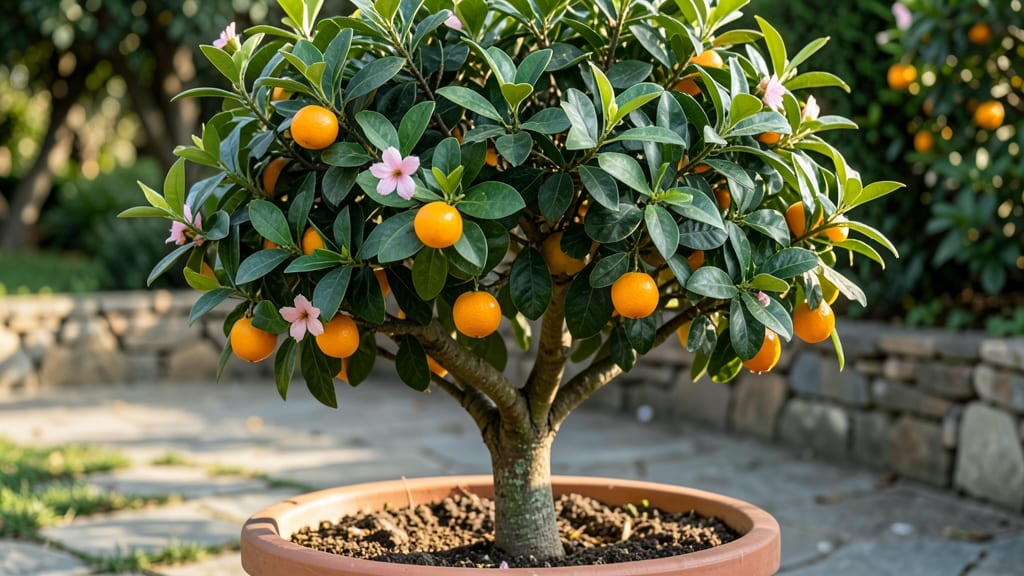
A kumquat tree typically grows between 6 and 12 feet tall, but the right variety can turn your tiny balcony into a citrus paradise with just 3 to 6 feet of space.
If you’ve ever dreamed of growing your own kumquats but worried about space, you’re in the right place—these citrus gems can thrive in tiny balconies or sprawl across your backyard, depending on the variety.
Standard kumquat trees reach their mature height in 3 to 5 years, while dwarf varieties stay compact, making them perfect for containers. The key to managing their size lies in pruning, climate, and even the pot you choose.
Below, I’ll break down the differences between dwarf and full-sized trees, share the best small-space varieties, and show you how to keep your kumquat tree at your ideal height—no matter where you garden.


Kumquat tree height guide: dwarf vs standard varieties compared
Choosing the right kumquat variety starts with understanding their mature heights. Whether you have a cozy balcony or a spacious backyard, knowing these dimensions helps you plan for optimal growth and fruit production.
Kumquats range from compact dwarf varieties perfect for containers to towering standard trees that need room to spread their branches. Let’s break down the key differences so you can pick the perfect fit for your space.
Most gardeners assume all kumquat trees grow tall, but that’s far from the truth. The dwarf varieties stay between 3–6 feet, making them ideal for urban gardens or small patios. Meanwhile, semi-dwarf types reach 6–10 feet, striking a balance between manageable size and robust fruit yields.
If you have ample outdoor space, standard kumquat trees can grow up to 15+ feet, creating a stunning focal point in your landscape.
Height isn’t the only factor—growth rates also vary. Dwarf kumquats mature faster, often reaching their full height in 3–5 years, while standard varieties may take 7–10 years to fully develop. This timeline is crucial for planning when you’ll start harvesting those sweet, edible skins. Let’s compare the three main categories to help you make an informed choice.
If you’re growing kumquats in containers, dwarf varieties are your best bet. A 15–25 gallon pot provides enough root space for a dwarf kumquat to thrive, while semi-dwarf types need at least 30 gallons to avoid root binding.
Standard trees, on the other hand, should be planted directly in the ground—their extensive root systems make containers impractical. Always use pots with drainage holes to prevent root rot, a common issue in kumquats.
Your climate zone also affects height. Kumquats thrive in USDA Zones 9b–11, where they can grow to their full potential. In cooler zones (like Zone 8), even dwarf varieties may stay slightly shorter due to slower growth.
If you’re in a marginal zone, choose a dwarf variety and protect it from frost with a frost cloth or move it indoors during winter. This simple adjustment can mean the difference between a thriving tree and a stunted one.
Pruning plays a huge role in managing height. For dwarf kumquats, light pruning in late winter encourages bushier growth, while standard trees benefit from structural pruning to maintain a balanced shape. Always use sterilized pruning shears to prevent disease.
I recommend pruning after harvest (late winter) to avoid removing potential fruit-bearing branches. Regular pruning not only controls height but also improves airflow, reducing the risk of fungal diseases like citrus blight.
One common mistake is assuming all kumquat trees grow at the same rate. In reality, soil quality and sunlight exposure accelerate or slow growth. Well-draining, slightly acidic soil (pH 6.0–7.0) and 6+ hours of direct sunlight per day are non-negotiable for optimal growth.
If your soil is heavy clay, amend it with compost or sand to improve drainage. Without these basics, even dwarf varieties may struggle to reach their expected height.
For small-space gardeners, consider the 'Centennial' kumquat, a dwarf variety that stays under 4 feet and produces abundant fruit. Another great pick is the 'Nagami', which matures around 5–6 feet and is perfect for containers.
If you’re willing to invest in a larger pot, the 'Meiwa' semi-dwarf can reach 8–10 feet while still fitting in a spacious patio setup. Each variety offers unique flavors—Nagami is tart, while Meiwa is sweeter—so choose based on your taste preferences too!
Remember, kumquat trees are evergreens, meaning they retain their leaves year-round in ideal climates. This trait makes them a low-maintenance perennial once established. However, their height growth slows significantly after 5–7 years, shifting focus to fruit production.
Plan your garden layout with this lifecycle in mind—place dwarf varieties near seating areas for easy harvesting, and standard trees as a privacy screen or backdrop for other plants.
Lastly, don’t overlook the harvest window. Kumquats typically bear fruit 1–2 years after planting, with peak production in years 3–5. The earlier you plant, the sooner you’ll enjoy homegrown kumquats!
Whether you’re growing a 3-foot dwarf or a 15-foot giant, the key is choosing the right variety for your space and committing to consistent care. With the right setup, you’ll have a tree that’s
Best small-space kumquat varieties for containers and patios
If you're limited by space but still want to enjoy homegrown kumquats, you'll love these compact citrus varieties. Container-friendly kumquats can thrive in pots as small as 15-gallons, making them perfect for balconies, patios, or even sunny windowsills.
The key is choosing the right variety and providing proper care to maximize fruit production in tight spaces.
Kumquats are unique because you eat the skin and fruit together—no peeling required! Their small size and manageable height make them ideal for urban gardeners. With the right dwarf kumquat varieties, you can enjoy sweet, tangy fruits without sacrificing your outdoor space to a sprawling tree.
🌱 Top 5 Compact Kumquat Varieties for Small Spaces
- 🍊 'Nagami' - 3-5 ft tall, oval-shaped fruit, tart-sweet flavor, thrives in 10-15 gallon pots
- 🍊 'Meiwa' - 4-6 ft tall, round fruit, sweeter than Nagami, needs full sun and regular pruning
- 🍊 'Centennial' - 5-7 ft tall, cold-hardy, great for USDA Zone 8, produces abundant fruit
- 🍊 'Kumquat Dwarf' - 3-4 ft tall, ultra-compact, perfect for balconies and small patios
- 🍊 'Calamondin' - 4-5 ft tall, hybrid variety, ornamental and edible, thrives in containers
All varieties require well-draining soil and 6+ hours of sunlight daily for optimal growth.
When selecting a container, choose one that's at least 15 gallons for mature trees, with drainage holes to prevent root rot. The 'Nagami' variety is particularly popular among container gardeners because its compact size and manageable height make it ideal for small spaces while still producing a bountiful harvest.
To maximize fruit yield in limited space, prune regularly to encourage bushier growth and better air circulation. Remove any suckers or crossing branches to redirect the tree's energy toward fruit production. Fertilize with a citrus-specific formula every 4-6 weeks during the growing season to support healthy growth and abundant fruiting.
For best results, plant your kumquat in well-draining soil and place it in a location that receives full sun exposure. In colder climates, bring potted kumquats indoors during winter months or protect them with frost cloth.
With proper care, even the smallest varieties can produce dozens of sweet, tangy kumquats each season.
Remember that kumquats are self-pollinating, so you only need one tree to enjoy a harvest. However, planting two different varieties nearby can increase fruit set and overall yield.
Whether you choose the tart Nagami or the sweeter Meiwa, these compact kumquat varieties will bring a touch of citrus paradise to your small-space garden.