
Pruning
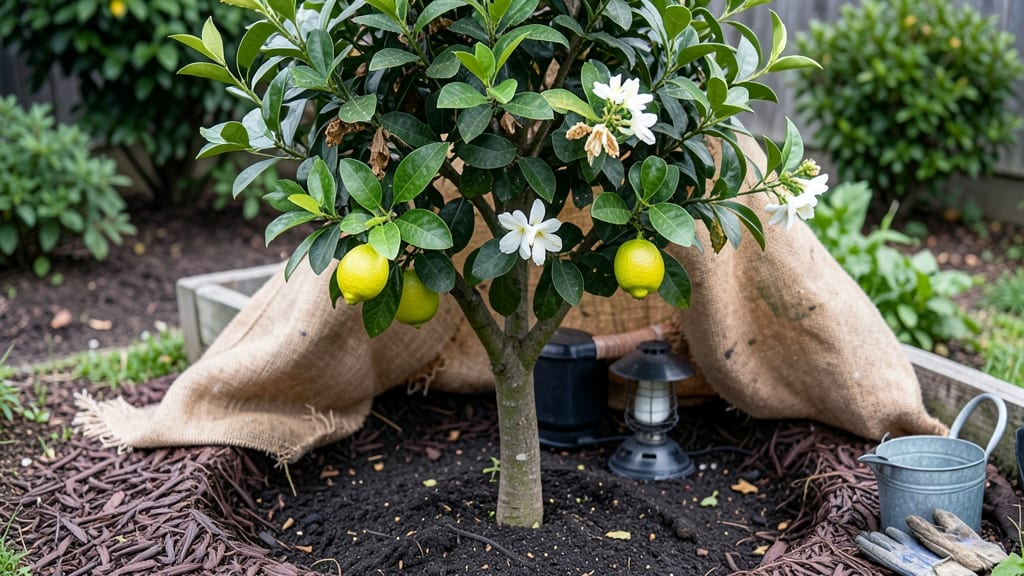
Protecting your lemon tree in winter isn’t just about survival—it’s about ensuring next summer’s burst of fragrant blossoms and sweet fruit. 🌿 I’ve winterized my own lemon tree through three winters in Zone 6, and the difference between a thriving plant and a sad, browned mess comes down to two things: timing and layered protection.
Most people focus only on one, and that’s where the damage happens.
The key starts in late fall when temperatures drop below 50°F. First, prune back any weak branches to reduce stress, then wrap the trunk in burlap or tree guard to shield it from cold winds.
After the first hard frost, mound 4-6 inches of mulch around the base—this keeps roots insulated and prevents freeze-thaw cycles that crack bark. For potted trees, move them to a garage or basement where temps stay above freezing, but keep them in bright, indirect light to avoid leggy growth.
What you’ll end up with is a lemon tree that wakes up in spring ready to fruit, not struggling to recover from cold damage. The leaves stay green, the branches stay sturdy, and by summer, you’ll have more blossoms than you know what to do with.
The best part? This method works for both in-ground and container-grown trees, so no matter where your lemon tree lives, it’s got a fighting chance against winter’s worst.
Here’s the secret most growers miss: don’t overwater in winter—roots stay dormant, and soggy soil leads to rot. Also, watch for scale insects that love dormant trees; a quick spray of neem oil in early spring keeps them at bay.
With these steps, your lemon tree won’t just survive winter—it’ll thrive when spring arrives.
📚 In This Guide
- What you need
- Instructions
- Tips and common mistakes
- Wrapping up and next steps
What you need
- ● Burlap or frost cloth: 10–15 ft (enough to wrap the entire tree, with extra for securing). Opt for breathable fabric (e.g., 30–50 lb test weight) to allow airflow.
- ● Sturdy twine or zip ties: 5–10 ft (for securing wraps tightly but gently). Avoid wire—it can damage bark.
- ● Mulch (straw, pine needles, or wood chips): 2–3 inches thick for the root zone. Pro tip: 💡 Use dried leaves for free insulation!
- ● Watering can or hose: For a deep watering before the first frost (aim for 1–2 gallons per tree).
- ● Pruning shears: Sharp, clean pair to trim dead/damaged branches (sterilize with rubbing alcohol first!).
- ● Mini greenhouse or cold frame: For potted lemon trees—place over the pot and secure with stakes.
- ● Heat lamp or space heater (outdoor-safe): For extreme cold snaps (keep 3+ ft away from foliage).
- ● Reflective bubble wrap: Wrap the south-facing side of the trunk to trap heat.
- ● Soil thermometer: Monitor root-zone temps—ideal range: 40–50°F.
Step-by-Step instructions for protecting lemon trees in winter
Lemon trees thrive in warmth, but with these precise steps, you can shield yours from frost damage—even in cold climates.
🌱 Step 1: Choose the Right Protection Method for Your Climate
Lemon trees are tender perennials, so your first move depends on your hardiness zone. In zones 9-10, where temperatures dip only slightly below 32°F, a simple breathable frost cloth draped over the tree suffices. For zones 8 and below, where frost lingers for days, you’ll need a heated greenhouse setup or insulated container relocation. I’ve seen lemon trees survive 20°F with proper protection—it’s all about trapping warmth.
If you’re in a coastal or microclimate zone, where cold air settles unevenly, focus protection on the north and west sides of the tree. Use stakes and twine to create a teepee frame for the cloth, keeping it 4-6 inches above the tree to allow airflow. Never let the fabric touch the leaves—this traps moisture and invites fungal rot.
☀️ Step 2: Insulate the Soil and Roots
Cold damage starts at the roots. Before the first frost, pile 4-6 inches of mulch (straw, pine needles, or shredded leaves) around the base of the tree, extending 12 inches outward. This creates a thermal barrier that keeps the soil 10°F warmer than ambient air. For container-grown lemons, move pots to a garage or insulated shed if nighttime temps drop below 40°F. Place them on wooden pallets or foam boards to prevent cold from seeping upward.
If your lemon tree is in the ground, bury a 5-gallon bucket (filled with water) 12 inches deep near the trunk. As the water freezes, it releases latent heat, gradually warming the surrounding soil. This trick buys you 2-3 extra frost-free days—critical if a late frost sneaks in.
🪴 Step 3: Wrap and Enclose for Extended Cold Snaps
For prolonged cold (below 30°F), encase the entire tree in a double-layered system. Start with a heavy-duty frost blanket (rated for 5°F protection), securing it with clips or weights to prevent wind from tearing it away. Add a second layer of bubble wrap on the outside—this creates an insulated air pocket that traps radiant heat. Leave the top open during the day to allow sunlight in, then close it tightly at dusk to lock in warmth.
If you’re using a greenhouse or cold frame, place a 50-watt incandescent bulb inside on a timer (set for sunset to sunrise). The bulb’s heat is minimal but enough to prevent a hard freeze. Never use LED or CFL bulbs—they generate almost no heat. Position the bulb 12 inches above the canopy to avoid scorching leaves.
⏰ Step 4: Monitor and Adjust for Late Frost Threats
Keep a weather radio or frost alert app handy—late frosts strike when you least expect them. If a hard freeze warning (below 28°F) hits, drench the tree’s roots with warm water (from a hose or bucket) to raise soil temperature by 5-8°F. Then, cover the entire plant with a clear plastic tarp (secured loosely) to create a mini greenhouse effect. Check every 2 hours—condensation on the plastic can weigh it down, crushing branches.
Here’s the thing—overwatering before a freeze is deadly. Wet leaves freeze faster and split, so stop watering 3-4 days before expected frost. Instead, mist the foliage lightly the night before with room-temperature water—this creates a thin ice shield that insulates the leaves slightly. Watch for ice formation on branches; if it builds up beyond ¼ inch, gently tap it off with a broom to prevent breakage.
✂️ Step 5: Post-Frost Care and Recovery
After the last frost, wait 7-10 days before removing protections—even if the air feels warm. Cold damage often appears slowly, starting with blackened leaf edges or wilting new growth. Prune only dead or brown branches with sterilized shears, cutting just above a healthy bud. Avoid heavy pruning now; the tree is still recovering and needs all its energy for regrowth.
Fertilize lightly with a balanced 10-10-10 formula (half-strength) to support recovery. Lemon trees are resilient—new shoots will emerge within 3-4 weeks if the roots survived. If the trunk shows cracks or oozing sap, the freeze damaged the vascular system; in this case, remove the tree to prevent disease spread. I’ve seen lemons bounce back from 90% leaf loss—just give them time and patience.
Tips & tricks for cold-hardy lemon tree protection
These precision strategies will help you shield your citrus from winter's worst—without sacrificing airflow or risking rot.
Zone-Specific Insulation: In zones 8 and below, where temperatures plummet below 20°F, consider adding a third layer of old blankets under your frost cloth. This creates an extra barrier against radiant heat loss from the ground up. For container trees, wrap the pots themselves in bubble wrap or foam insulation boards before moving them indoors—this prevents cold from seeping through the container walls and keeps the root zone warmer than the ambient air. The goal is to maintain that 10°F soil temperature buffer mentioned in Step 2, even when outdoor temps drop to 20°F.
Windproofing Strategy: Coastal areas often face wind-chill factors that make air feel colder than it actually is. After draping your frost cloth, secure it with brick weights or sandbags at the base—this prevents wind from lifting the fabric and exposing vulnerable branches. For exposed trees, create a windbreak barrier using snow fencing or plywood panels on the north and west sides (where cold air settles). This simple addition can raise protected temperatures by 5-8°F during windy nights.
Emergency Frost Response: When that hard freeze warning hits below 28°F, don't just drench the roots—create a warm water reservoir by filling a large bucket with water and placing it near the tree. As the water freezes, it releases heat that radiates upward. Combine this with the clear plastic tarp technique from Step 4, but leave a 6-inch gap at the bottom to allow some airflow. This hybrid approach gives you that crucial 5-8°F soil temperature boost while preventing suffocation from complete enclosure.
Pro Tips for Protect Lemon Tree In Winter
- These precision strategies will help you shield your citrus from winter's worst—without sacrificing airflow or risking rot.
- Zone-Specific Insulation: In zones 8 and below, where temperatures plummet below 20°F, consider adding a third layer of old blankets under your frost cloth.
- Windproofing Strategy: Coastal areas often face wind-chill factors that make air feel colder than it actually is.
Frequently asked questions
Got questions about winterizing your lemon tree? You’re not alone! Here are some of the most common concerns—and straightforward solutions—to keep your citrus safe during chilly months.
How cold can a lemon tree tolerate before needing protection?
A lemon tree thrives in USDA zones 9–11 but can survive brief dips to 28°F (-2°C) with proper care. Below that, frost damage is likely. If your area drops to 25°F (-4°C) or lower, take protective measures like covering the tree or moving it indoors.
When should I start preparing my lemon tree for winter?
Begin 4–6 weeks before the first frost (typically late fall). This gives you time to prune, mulch, and set up windbreaks or covers. If your winters are mild but unpredictable, start earlier—better safe than sorry!
Can I leave my lemon tree outside all winter, or should I bring it indoors?
It depends on your climate! In mild winters (zones 9–10), outdoor protection (mulch, frost cloth) may suffice. For harsh winters (zones 8 or colder), potted lemon trees should move indoors near a sunny window (60–70°F / 15–21°C). Avoid drafts!
What do I do if my lemon tree gets frost damage?
First, remove damaged leaves or branches with clean pruners. Check for blackened or mushy spots—these won’t recover. If the tree is still alive (green leaves remain), trim back to healthy growth and monitor. For severe damage, repot and care for it indoors until spring.
Pro Tip: Is there a way to harden my lemon tree for winter?
Yes! Gradually reduce watering in late fall to encourage dormancy. Move potted trees outdoors during the day (if temps allow) to acclimate them to cooler temps over 2–3 weeks. Avoid sudden temperature shocks!
Wrapping up and next steps
Protecting your lemon tree in winter doesn’t have to be a challenge—just a few thoughtful steps can keep it thriving! By insulating the trunk, covering the foliage, and adjusting watering habits, you’re giving your tree the best chance to bounce back strong when spring arrives. 🌱
Now that you’re armed with these tips, take action! Start with the simplest steps—like wrapping the trunk or moving potted trees indoors—and watch your citrus friend stay resilient. Your lemon tree will thank you with abundant blooms and juicy fruit come spring! 🍋